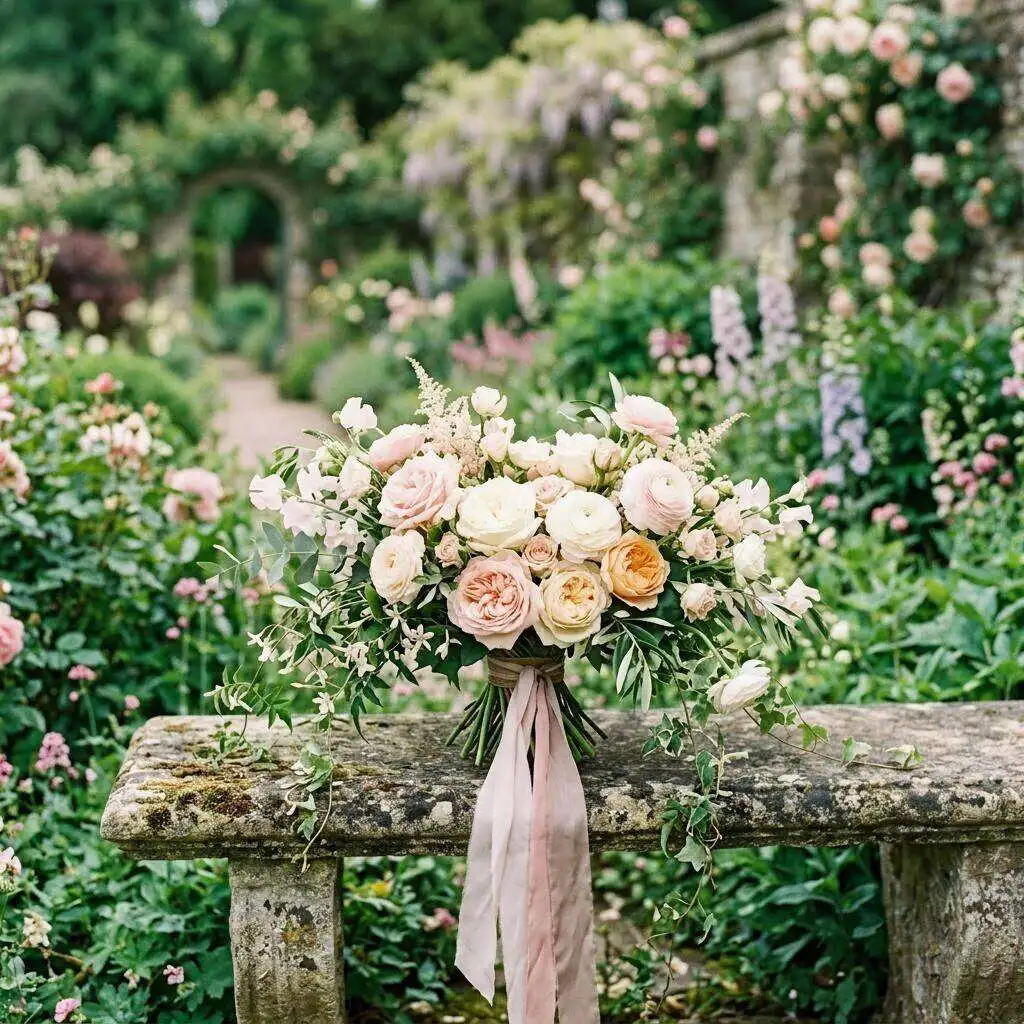
An interfaith wedding brings two traditions into one celebration, and flowers can help both feel seen and honored. The most important work happens before any design: interviewing both families, understanding what each holds dear, and coordinating with both officiants so the day flows smoothly. How two traditions come together can vary enormously from couple to couple, family to family, and generation to generation.
There is no single formula for balancing two traditions, and we never assume one. Some couples weave elements together throughout the day; others give each tradition its own clear moment. Some place equal weight on both; others lean one way while still honoring the other. We listen to how the couple and their families picture it, and we design to fit their choices rather than a template.
This guide focuses on the practical florist role in an interfaith celebration: gathering input from both sides, coordinating with two officiants and the venue, and balancing representation so the flowers feel like a genuine union. Because customs vary so widely, we ask carefully and let each family teach us what matters most.
Overview
About This Celebration
An interfaith wedding may combine elements from two ceremonies, or move through two distinct parts, before flowing into a shared reception. Because two sets of customs are in play, coordination is everything. We work with both officiants and the venue to understand each tradition's needs, then plan flowers that support the shared vision the couple has shaped.
Balance is the guiding idea. Flowers can help both traditions feel equally welcome, whether through a shared palette that unites the day, distinct touches that honor each side, or a ceremony structure that draws from both. We take care never to reduce a tradition to a decorative motif; the meaning comes from the families, and the flowers simply support it.
Since interfaith celebrations are as varied as the couples who hold them, we begin by listening to both families. Once we understand what each holds dear and how the couple wants to bring them together, we confirm the logistics with each officiant and venue and design flowers that reflect a genuine union.
Our starting point
Begin With the Family
Before we suggest a single stem, these are the questions we ask — because your family is the authority on your traditions.
- 01Which two traditions are being honored, and how would each family describe what matters most to them?
- 02Are there two officiants or clergy we should coordinate with, and any space or timing considerations from either tradition?
- 03Do you want the two traditions woven together, or given their own distinct moments in the day?
- 04Are there ceremony structures, such as a canopy or an aisle setup, that each tradition brings?
- 05Are there flowers, colors, or elements that carry meaning for either family?
- 06Are there any flowers, colors, or customs either family would prefer we avoid?
Floral opportunities
Where Flowers Can Live
Shared ceremony backdrop
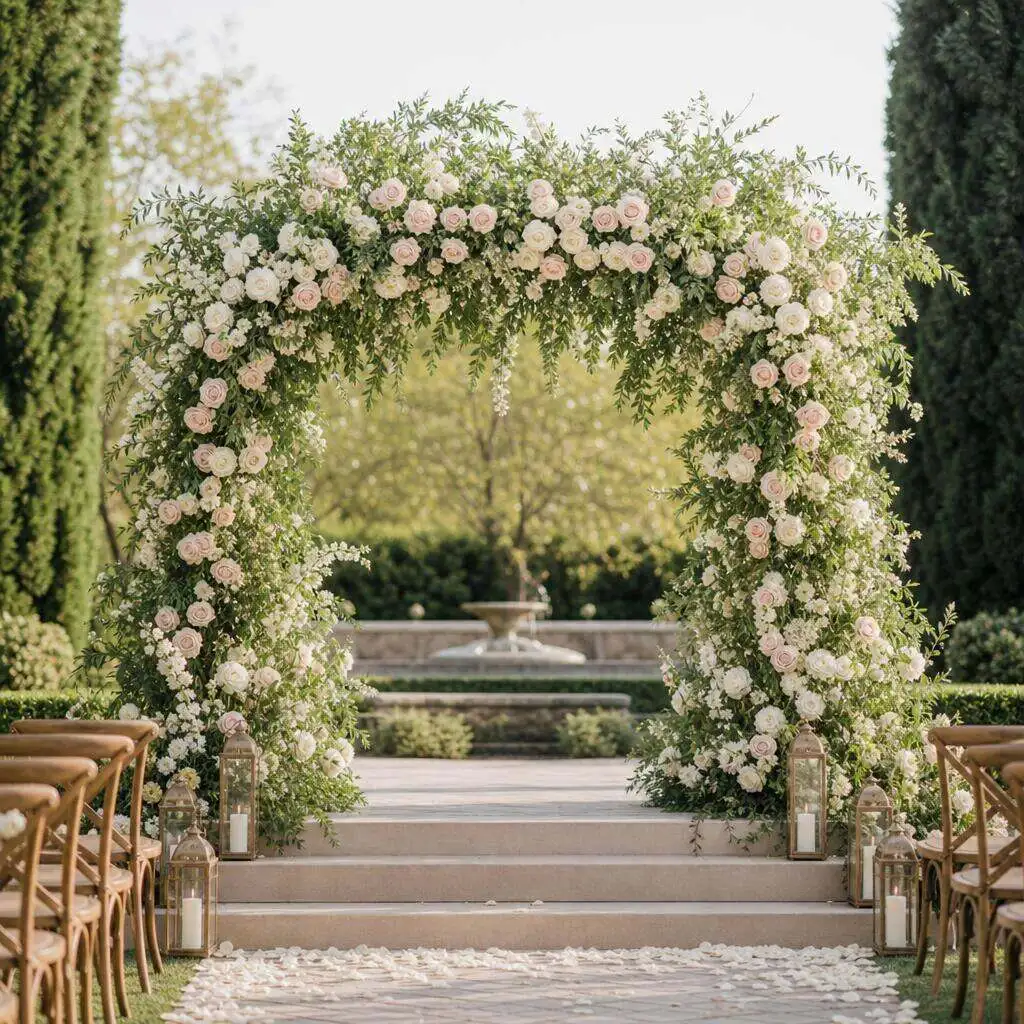
A focal arrangement, arch, or canopy that both traditions can stand within; shaped with input from both officiants.
Ceremony structure from a tradition
If a tradition brings a canopy or specific setup, flowers can accent it thoughtfully while letting its meaning lead.
Aisle and processional
Aisle markers or petals unify the entrance; confirm placement with the venue and both officiants.
Signing or blessing area
A soft arrangement dresses any signing, blessing, or ritual table one or both traditions include.
Bridal bouquet and personal flowers
The couple's flowers, plus corsages and boutonnieres for parents, grandparents, and the wedding party from both families.
Reception entrance
A statement piece welcomes guests as two families come together for the celebration.
Head or sweetheart table
A focal arrangement anchors where the couple sits and draws photographs through the reception.
Guest table centerpieces
Low or elevated arrangements that carry a unifying palette across a room shared by both families.
Cake and dessert table
A cluster or garland frames the cake and offers a natural photo moment for the joined celebration.
Palette
Color & Design Considerations
In an interfaith celebration, color can be a quiet peacemaker, a shared palette that lets both traditions feel at home in the same room. We begin by asking both families about colors and flowers that carry meaning for them, then look for a palette that honors those threads without favoring one side. There is no assumed color scheme; it grows from the two families.
Sometimes the best approach is a unified palette used throughout, so the day reads as one celebration. Other times, distinct floral touches mark each tradition's moment while a common thread, a shade or a signature flower, ties them together. We talk through both approaches with the couple and choose what feels most like them.
Texture and shape help balance representation. If one tradition leans lush and another spare, or one favors bold color and another soft neutrals, we can blend these sensibilities so neither feels overshadowed. Roses, hydrangea, greenery, and seasonal blooms are versatile enough to bridge many styles.
Above all, we avoid turning any tradition into a decorative motif. If a family associates specific flowers or colors with their heritage or faith, we weave them in with respect and let the family define the meaning. The goal is a palette that feels like a true union, beautiful to both sides.
Bring these questions to your family conversation
- Are there colors or flowers that carry meaning for either family?
- Do you want one unified palette, or distinct touches for each tradition?
- Is there a shared thread, a shade or flower, that could tie the day together?
- Are there colors or blooms either family would prefer to avoid?
- How lush or restrained do you want the overall look to feel?
- Do you want the bridal bouquet to be a focal statement or more understated?
- Are there family members from both sides whose flowers should stand out?
- Would you like fragrance to be a feature, or kept subtle?
Planning around the calendar
Michigan Seasons & Your Venue
Spring
Tulips, ranunculus, lilac, and peonies as they peak offer a versatile spring palette; Michigan spring can run cool, so keep outdoor plans flexible.
Summer
Garden roses, hydrangea, and dahlias are abundant, but summer heat means ceremony and reception pieces should be built close to the event.
Fall
Dahlias, later hydrangea, and rich foliage bridge many styles, and crisp days ease outdoor setups and transport.
Winter
Roses, ranunculus, amaryllis, and evergreen accents carry the season; protect ceremony structures and bouquets from cold transit and drafty entries.
Interfaith weddings take place in many settings, ballrooms, gardens, tents, and shared community spaces, so the plan depends on the venue. When two traditions bring their own ceremony structures or timing, coordination and setup windows matter more than usual, and we work with the venue and both officiants to build a schedule that serves everyone.
For outdoor and tented weddings, Michigan weather asks for a plan. Summer sun and heat can tire delicate blooms and stress a dressed structure, so we favor resilient flowers, build focal pieces close to ceremony time, and keep arrangements shaded until guests arrive. In cooler months, we protect flowers from freezing air in transit.
For the reception, where two families come together, we ask early about the room: ceiling height, table sizes, whether there is a head table or focal backdrop, and how long flowers must look their best. Knowing the space lets us build a unified look that holds up from the first guest through the last dance.
Making choices with impact
Where Flowers Matter Most
In an interfaith celebration, flowers often make the strongest impression in the shared moments: the ceremony backdrop where both traditions gather, and the reception where two families come together. Concentrating design in these shared spaces reinforces the sense of union and gives the day its most photographed moments.
Repurposing helps stretch impact while supporting balance. A ceremony backdrop or arch can often move to the reception as a head-table piece or entrance statement, and aisle arrangements can be reset indoors. When we plan for pieces to travel, we build them to reset cleanly between the two parts of the day.
Scale choices let us balance representation without doubling everything. Rather than duplicating flowers for each tradition, a thoughtfully unified design can honor both at once, with distinct accents where each tradition has its moment. We help couples decide where to invest for the most meaning.
Personal flowers carry weight beyond their size and are a graceful way to honor both families. Bouquets, corsages, and boutonnieres for parents and grandparents from each side ensure everyone feels included and photographed as part of the union.
Your family's traditions and preferences deserve to be heard. Share the details that matter to you, and Bentley Florist will help explore floral ideas that respectfully support your celebration.
Conversation guides
Questions Worth Asking
For your family
- Which two traditions are being honored, and how does each family describe what matters most?
- Are there two officiants or clergy we should coordinate with?
- Are there space or timing considerations from either tradition?
- Do you want the traditions woven together or given distinct moments?
- Are there ceremony structures each tradition brings?
- Are there flowers, colors, or elements meaningful to either family?
- Are there flowers, colors, or customs either family would prefer we avoid?
- How do you want to balance representation so both feel honored?
- Are there parents and grandparents from both sides to honor with personal flowers?
- Should any ceremony pieces move to the reception?
- Are there fragrance sensitivities or allergies among close family?
- Is there anything about either tradition that would help us design respectfully?
For your venue or house of worship
- What are the setup access windows, and do they fit both traditions' timing?
- Are there two officiants we should coordinate the ceremony flow with?
- Does either tradition bring a ceremony structure we should plan around?
- Where will the ceremony focal point stand, and how is it secured?
- Are aisle arrangements or petals permitted, and where?
- Is there a signing, blessing, or ritual table we should dress?
- Who at the venue should we coordinate with on the day?
- Are there restrictions on attaching florals to structures or fixtures?
- May ceremony pieces be moved to the reception, and by whom?
- When must arrangements be removed after the celebration?
Learn from experience
Planning Mistakes to Avoid
Interviewing only one family
An interfaith day honors two traditions. Gathering input from both families is the only way the flowers can represent the couple fairly.
Coordinating with one officiant
When two officiants share the ceremony, both need to be in the loop on structures, timing, and placement so nothing conflicts on the day.
Letting one tradition overshadow the other
Balance takes intention. We plan representation deliberately so neither side feels like an afterthought in the design.
Turning a tradition into a decorative motif
Meaning comes from the families, not from decor. We weave in meaningful elements with respect and let each family define them.
Underestimating setup complexity
Two traditions can mean two structures or timing windows. Confirming logistics early keeps the day from feeling rushed or crowded.
Keep track
Your Planning Checklist
Discovery with both families
Ceremony and reception design
Logistics
FAQ
Common Questions
Related resources
Keep Exploring
Multicultural Wedding
Planning flowers for weddings that blend two or more cultures — balancing traditions, coordinating multiple events, and keeping both families heard.
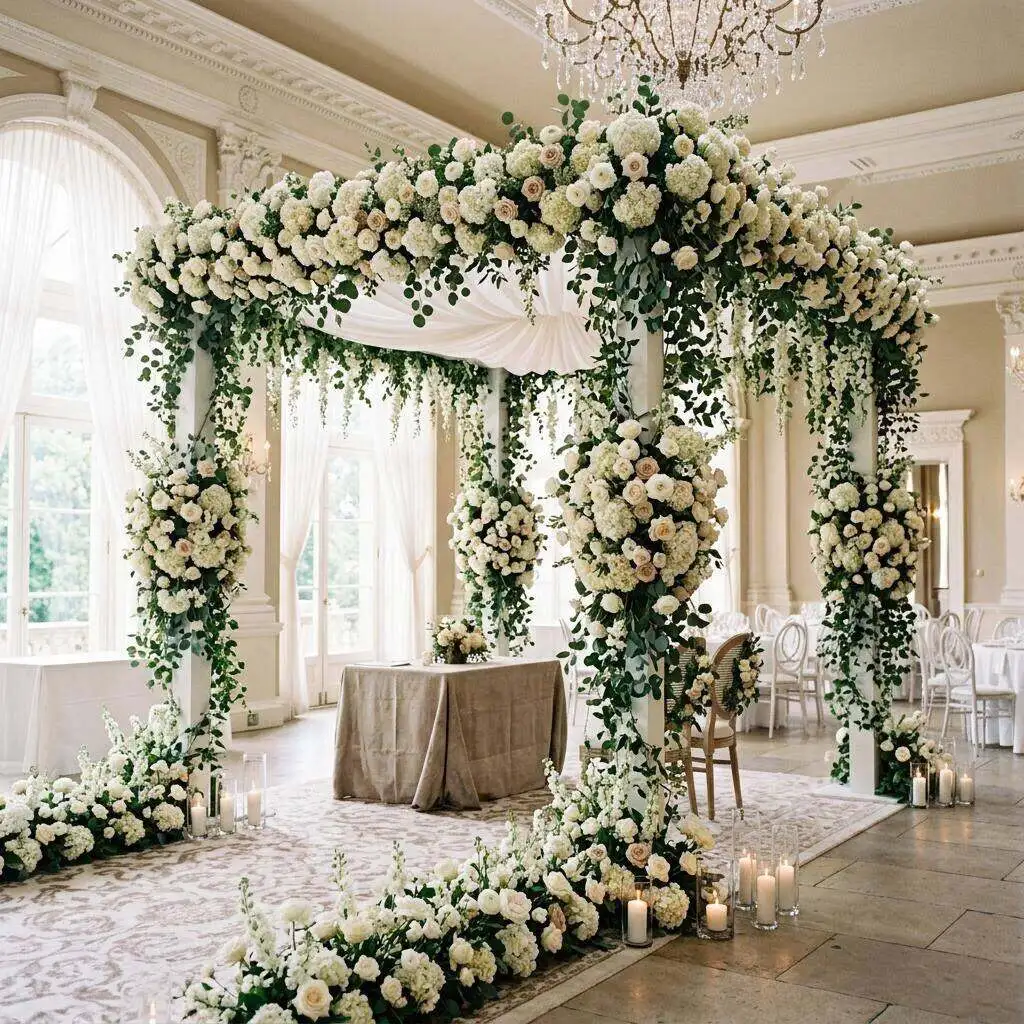
Jewish Wedding
Thoughtful floral planning for Jewish weddings — chuppah designs, ceremony and reception flowers, and questions for your officiant, venue, and family.
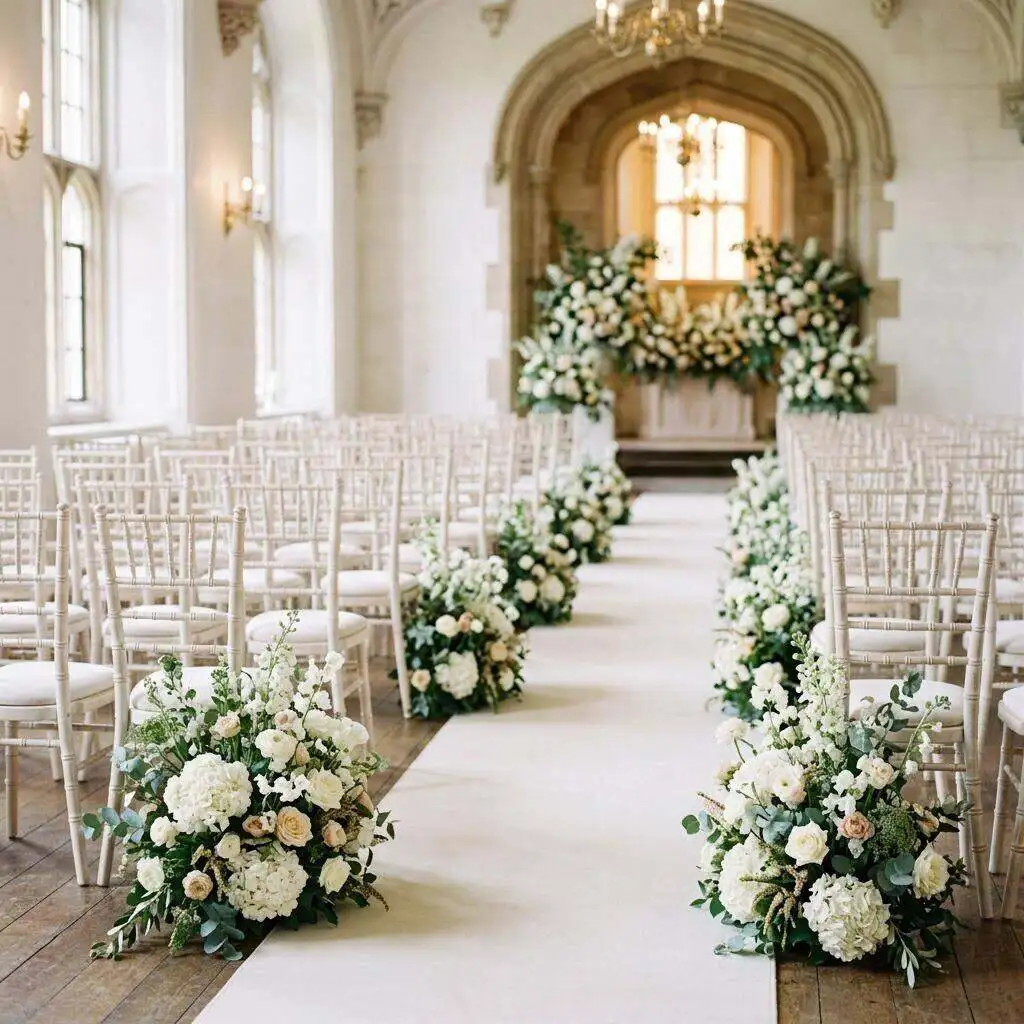
Catholic Wedding
A practical guide to Catholic wedding flowers — altar and pew pieces within parish guidelines, personal flowers, and reception planning that flows from the Mass.
Orthodox Christian Wedding
Floral planning for Orthodox Christian weddings — sanctuary guidelines, crowning ceremony surroundings, and reception ideas, with clergy questions first.
From the Flower Knowledge Center
Plan the whole celebration
Step-by-step planning help for this occasion — timelines, ideas, and checklists.
Written by the Burton Floral Design editorial team, presented by Bentley Florist. Published July 22, 2026 · Last updated July 22, 2026.
© Burton Floral Design, presented by Bentley Florist. All rights reserved. This guide may be shared in its original, unmodified form with attribution and a working link to BurtonFloralDesign.com. Content may not be republished, resold, altered, or represented as another organization's work without written permission.