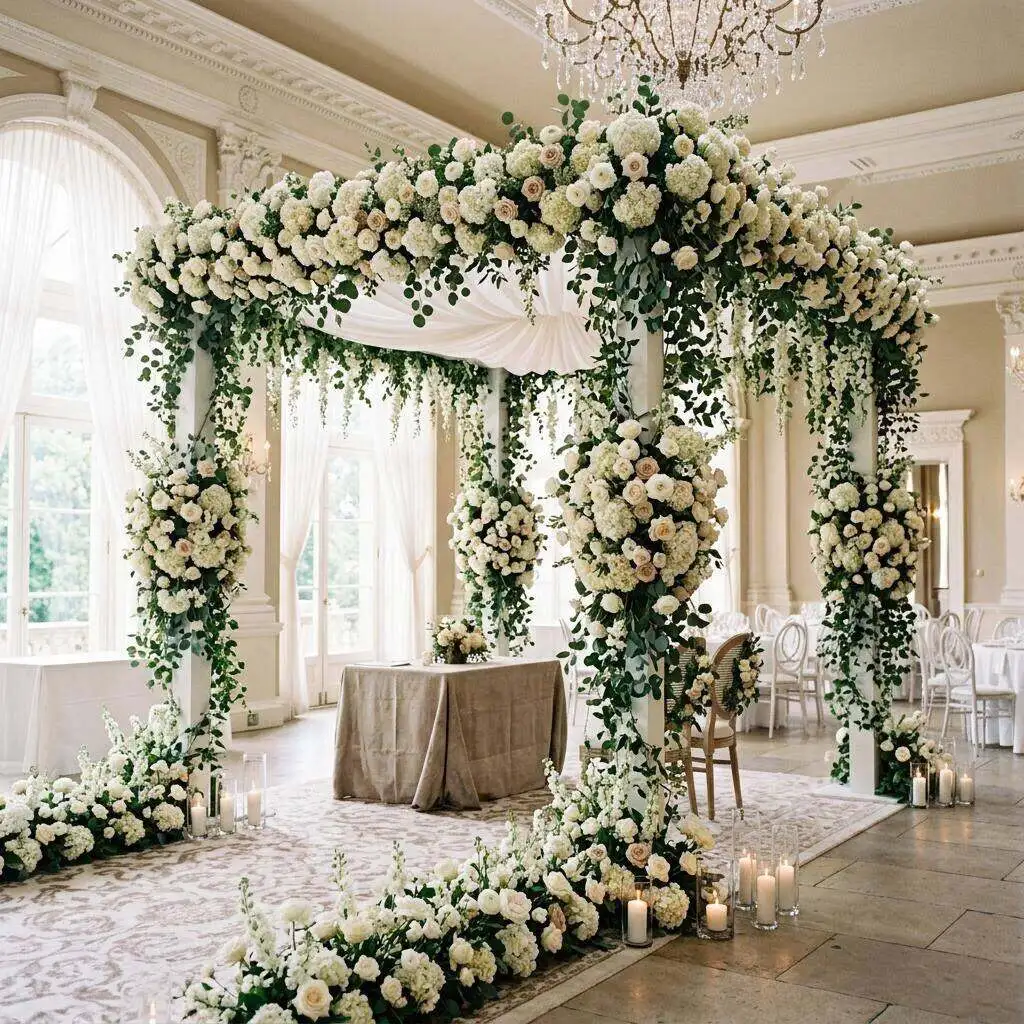
A Jewish wedding brings its own beautiful structure to the day, and flowers can support that structure with warmth and elegance. For many couples the chuppah is central, which makes florals on it a signature opportunity, but how a wedding unfolds can vary a great deal across Reform, Conservative, Orthodox, and other practices, as well as by family, region, and generation.
Because practice differs so widely, this guide leans on questions rather than assumptions. Some couples want a lush floral chuppah; others prefer greenery, fabric, or a family heirloom canopy that flowers simply accent. The ketubah signing, the timing of the ceremony, and the flow into the reception all shape the plan, and the couple and their families are the ones who teach us what matters.
Our work at Bentley Florist is practical and respectful: coordinating with the officiant and venue, planning the chuppah and ceremony flowers, and thinking through timing, since for some families setup windows are shaped by Shabbat. We listen first, confirm the details, and design flowers that honor the couple's choices.
Overview
About This Celebration
A Jewish wedding often moves through a signing of the ketubah, a ceremony beneath the chuppah, and a joyful reception. The chuppah is central to many couples, and its four posts and canopy invite florals that range from a few accents to a lush, fully dressed frame. Whether the couple supplies the structure or wants it built and designed shapes much of the plan.
Because practice differs among Reform, Conservative, Orthodox, and other communities, we ask rather than assume. Some families have specific expectations about the ceremony and its timing, and for some, Shabbat can shape when setup and photography happen. We coordinate with the officiant and venue so the flowers fit smoothly into the day's rhythm.
Beyond the chuppah, there are the ketubah signing area, the aisle, personal flowers, and the reception. Since preferences vary widely, we confirm what the couple and venue want, learn the timeline, and design flowers that support the celebration without overshadowing its meaning.
Our starting point
Begin With the Family
Before we suggest a single stem, these are the questions we ask — because your family is the authority on your traditions.
- 01Is there an officiant or rabbi we should coordinate with, and are there setup timing considerations, such as around Shabbat, we should plan around?
- 02How do you picture the chuppah, and is it being provided, or should its structure and florals be part of the plan?
- 03Will there be a ketubah signing area you would like us to dress?
- 04How do you want to balance the chuppah and ceremony with the reception flowers?
- 05Do you have a palette in mind, or colors and flowers that carry meaning for your family?
- 06Are there parents, grandparents, or wedding party members to honor with personal flowers?
Floral opportunities
Where Flowers Can Live
Chuppah florals
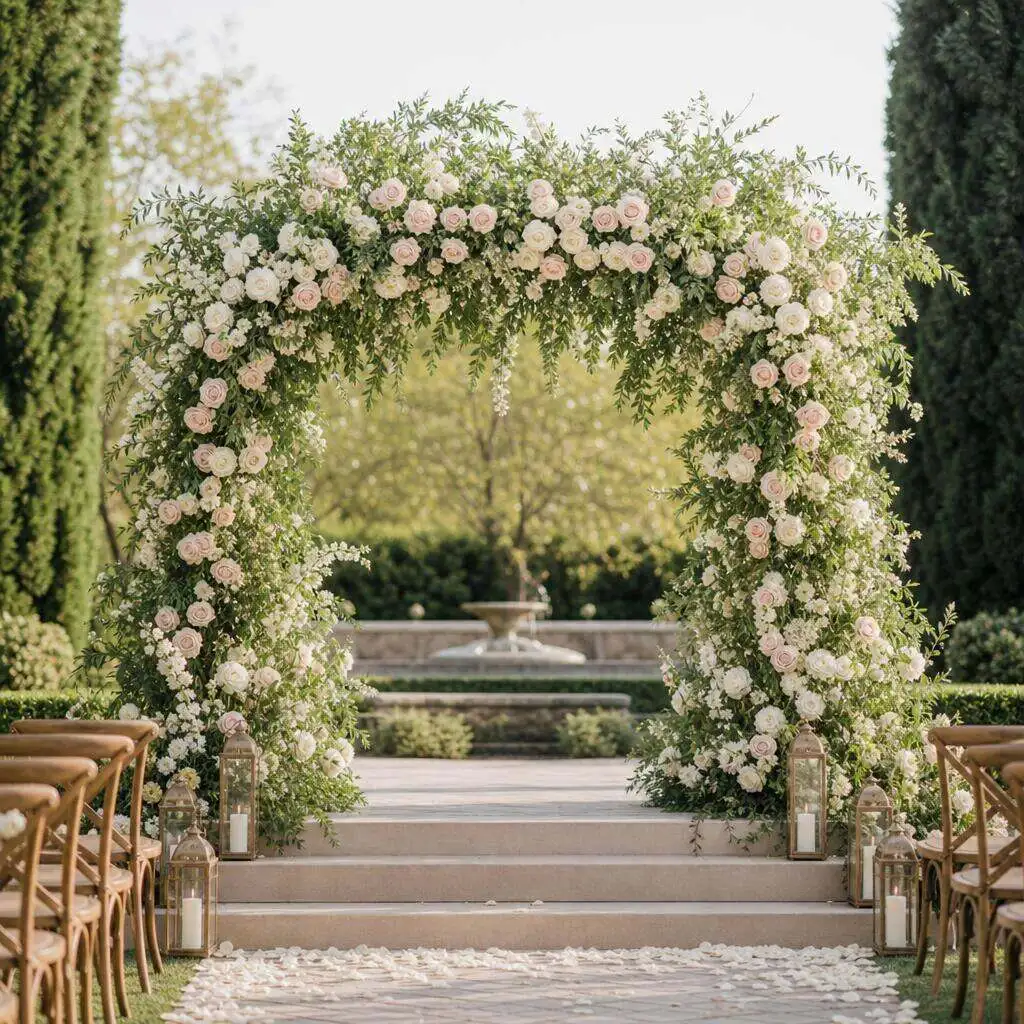
A signature opportunity for many couples, from posts and corners to a fully dressed canopy; confirm whether the structure is provided or designed by us.
Chuppah accents on a family canopy
When a family heirloom or fabric canopy is used, flowers can accent the posts or corners while letting the canopy itself remain the focus.
Ketubah signing table
A soft arrangement dresses the signing area and creates a warm backdrop for this meaningful moment and its photos.
Aisle and processional
Aisle markers or petals guide the procession toward the chuppah; confirm placement and any venue rules.
Bridal bouquet and personal flowers
The couple's flowers, plus corsages and boutonnieres for parents, grandparents, and the wedding party.
Reception entrance
A statement piece welcomes guests as the celebration moves from ceremony to reception.
Head or sweetheart table
A focal arrangement anchors where the couple sits and draws photographs through the reception.
Guest table centerpieces
Low or elevated arrangements that keep sightlines open and carry the palette across the room.
Cake and dessert table
A cluster or garland frames the cake and gives a natural photo moment during the celebration.
Palette
Color & Design Considerations
Jewish couples choose from every palette, so we begin with the family's taste rather than any assumed color. Whites and greens create a fresh, timeless chuppah, while blush, jewel tones, and vivid seasonal color all suit the celebration depending on the couple. We shape the palette around the couple, never a formula.
The chuppah is often where design energy concentrates, and it rewards thoughtful structure. A lush floral frame reads dramatically in photos, while a lighter touch of greenery and accent blooms feels airy and lets a meaningful canopy shine. We scale the florals to the structure so the canopy stays secure and the couple stands comfortably beneath it.
Texture and shape carry the mood across the day. Roses, hydrangea, lisianthus, and greenery read as classic, while peonies, dahlias, and ranunculus add lushness in season. When a couple wants the chuppah, the signing area, and the reception to feel connected, we thread a shade or a signature flower through all of them.
If certain flowers or colors carry meaning for the couple or their families, we weave them in with care. The aim is a palette that feels like the couple, frames the chuppah beautifully, and photographs well from the ceremony through the reception.
Bring these questions to your family conversation
- Do you picture a fresh white-and-green chuppah, or richer color?
- Should the chuppah, signing area, and reception feel closely connected?
- Are there flowers that carry meaning for you or your families?
- Are there colors or blooms you would prefer to avoid?
- How lush or airy do you want the chuppah florals to feel?
- Do you want the bridal bouquet to be a focal statement or more understated?
- Are there parents or wedding party flowers that should stand out?
- Would you like fragrance to be a feature, or kept subtle?
Planning around the calendar
Michigan Seasons & Your Venue
Spring
Tulips, ranunculus, lilac, and peonies as they peak bring lush chuppah options; Michigan spring can run cool, so keep outdoor plans flexible.
Summer
Garden roses, hydrangea, and dahlias are abundant, but summer heat means the chuppah and centerpieces should be built and dressed close to the ceremony.
Fall
Dahlias, later hydrangea, and rich foliage suit deeper palettes, and crisp days ease outdoor setups and transport.
Winter
Roses, ranunculus, amaryllis, and evergreen accents carry the season; protect the chuppah florals and bouquets from cold transit and drafty entries.
Jewish weddings happen in many settings, indoor ballrooms, synagogues, gardens, and tents, so the plan depends on the space. The chuppah is the piece that most affects timing: it is often assembled and dressed on site, which takes time and a secure setup, so we coordinate an access window that works with the venue and the day's schedule.
For outdoor and tented weddings, Michigan weather asks for a plan. Summer sun and heat can tire delicate blooms and stress a fully dressed chuppah, so we favor resilient flowers, dress the structure close to ceremony time, and keep pieces shaded until guests arrive. In cooler months, we protect flowers from freezing air in transit.
Timing can carry added meaning for some families, since Shabbat may shape when setup, photography, and the ceremony happen. We ask about these windows early and build a schedule around them, so the chuppah and arrangements are ready without rushing and stay fresh from the first guest through the celebration.
Making choices with impact
Where Flowers Matter Most
For many Jewish couples the chuppah is where flowers make the strongest impression, since the ceremony gathers everyone beneath it and it anchors the day's most photographed moment. Concentrating design there often gives the celebration its signature look, whether that is a lush floral frame or a graceful accent on a meaningful canopy.
Repurposing stretches impact beautifully. Chuppah florals can sometimes be reworked into a backdrop or a head-table piece at the reception, and aisle arrangements can move indoors to anchor the entrance or the cake table. When we plan for pieces to travel, we build them so they reset cleanly.
Scale choices shape both feel and impact. A generous chuppah plus a few focal reception pieces often reads more memorably than many small arrangements scattered around. We help couples decide where to be bold, the chuppah being a natural place, and where a lighter touch will do.
Personal flowers carry meaning out of proportion to their size. The bridal bouquet and the corsages and boutonnieres for parents, grandparents, and the wedding party stay close to the couple in every photograph, so they reward thoughtful attention.
Your family's traditions and preferences deserve to be heard. Share the details that matter to you, and Bentley Florist will help explore floral ideas that respectfully support your celebration.
Conversation guides
Questions Worth Asking
For your family
- Is there an officiant or rabbi we should coordinate with?
- Are there setup timing considerations, such as around Shabbat, we should plan around?
- How do you picture the chuppah, and is its structure provided or part of our plan?
- Will there be a ketubah signing area you would like us to dress?
- How do you want to balance the chuppah and ceremony with reception flowers?
- Is there a palette or flower that carries meaning for your families?
- Are there colors or blooms you would prefer to avoid?
- Are there parents, grandparents, or wedding party members to honor with personal flowers?
- Should any ceremony pieces be reworked for the reception?
- Are there fragrance sensitivities or allergies among close family?
- Who will transport and reset flowers between the ceremony and reception?
- Is there anything about your family's practice that would help us plan respectfully?
For your venue or house of worship
- What is the setup access window, and does it fit any Shabbat timing considerations?
- Is the chuppah provided by the venue or the couple, or should we build and dress it?
- Where will the chuppah stand, and how is it secured, especially outdoors?
- Is there space and a table for the ketubah signing we should plan around?
- Are aisle arrangements or petals permitted, and where?
- Who at the venue should we coordinate with on the day?
- Are there restrictions on attaching florals to structures or fixtures?
- When can we access the space to build and dress the chuppah?
- May ceremony pieces be moved to the reception, and by whom?
- When must arrangements be removed after the celebration?
Learn from experience
Planning Mistakes to Avoid
Assuming one practice fits all
Reform, Conservative, Orthodox, and other communities differ, as do families. We ask about the couple's practice and expectations rather than generalizing.
Overlooking setup timing
For some families, Shabbat shapes when setup and the ceremony can happen. Confirming these windows early keeps the chuppah ready without a rush.
Under-planning the chuppah structure
A dressed chuppah must be secure, especially outdoors. We coordinate the structure and anchoring so florals stay beautiful and safe throughout.
Forgetting the ketubah signing area
The signing is a meaningful, photographed moment. A simple arrangement there is easy to overlook when focus goes to the chuppah alone.
Skipping the reception handoff plan
Chuppah and aisle pieces often move to the reception. Planning who resets them and when keeps them fresh across the day.
Keep track
Your Planning Checklist
Ceremony planning
Reception planning
Logistics
FAQ
Common Questions
Related resources
Keep Exploring
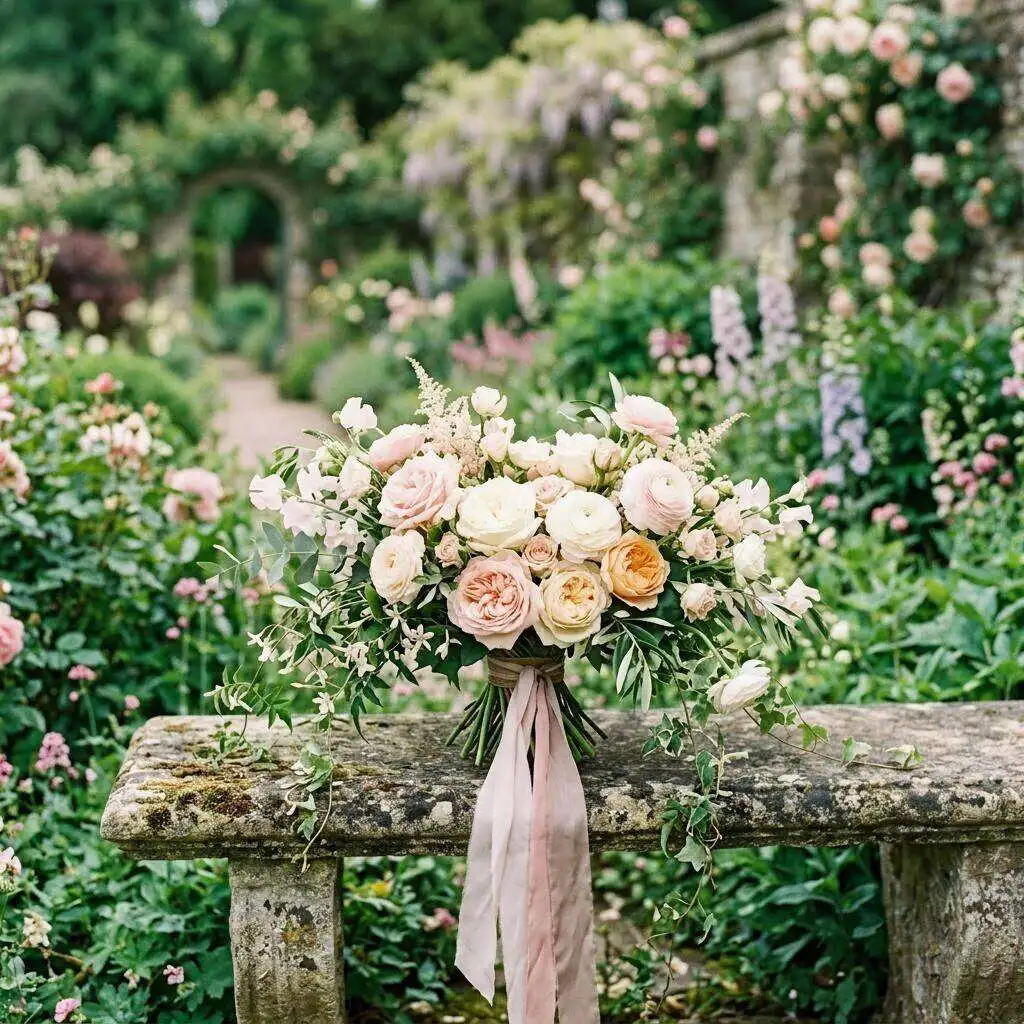
Interfaith Wedding
Floral planning for interfaith weddings — honoring two traditions in one celebration, from ceremony structures to family flowers, without assumptions.
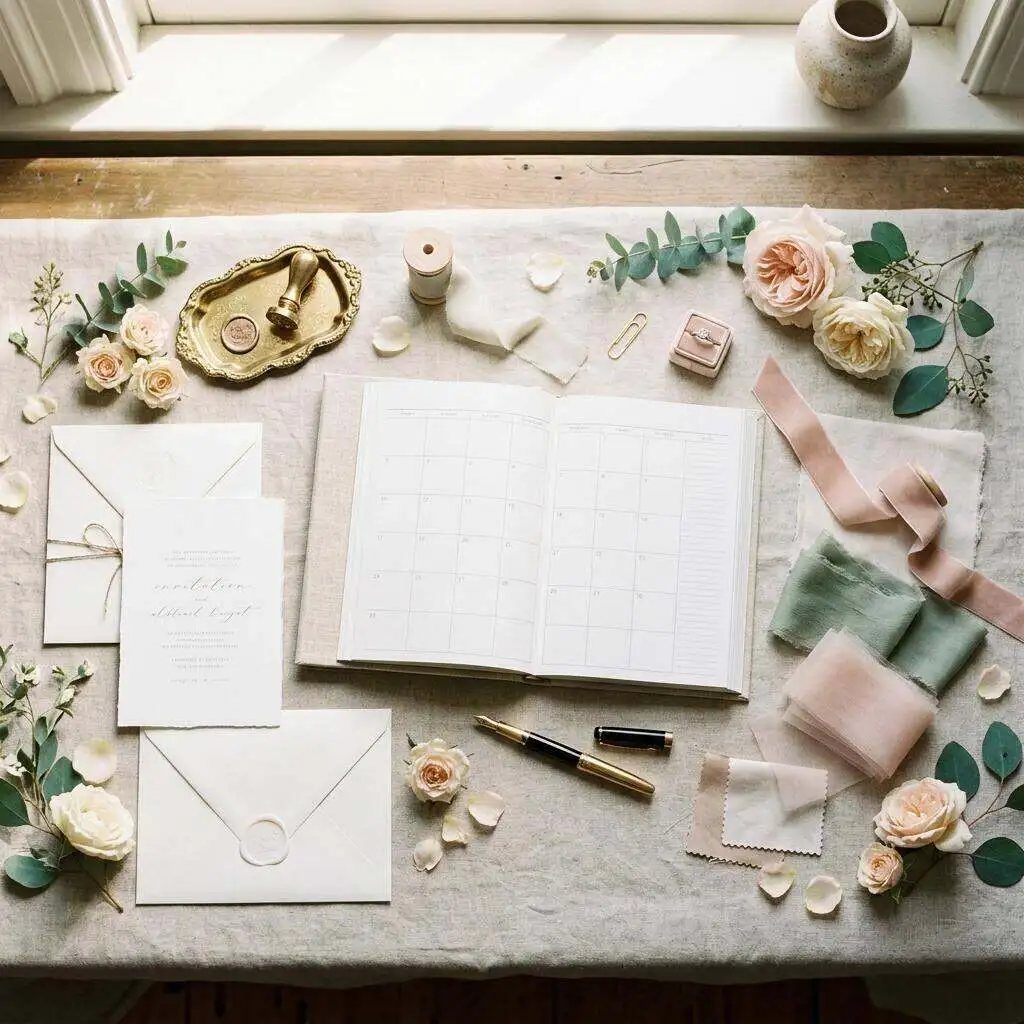
Multicultural Wedding
Planning flowers for weddings that blend two or more cultures — balancing traditions, coordinating multiple events, and keeping both families heard.
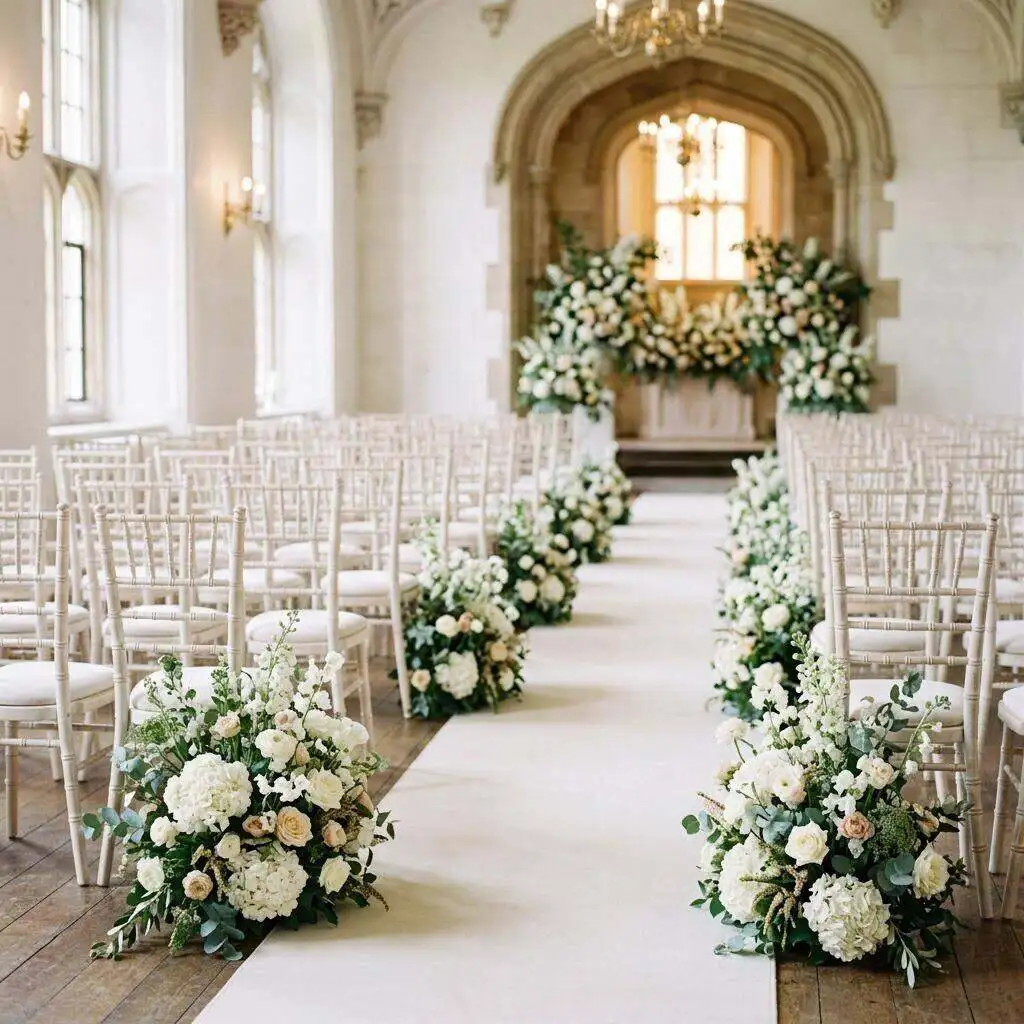
Catholic Wedding
A practical guide to Catholic wedding flowers — altar and pew pieces within parish guidelines, personal flowers, and reception planning that flows from the Mass.
Orthodox Christian Wedding
Floral planning for Orthodox Christian weddings — sanctuary guidelines, crowning ceremony surroundings, and reception ideas, with clergy questions first.
From the Flower Knowledge Center
Plan the whole celebration
Step-by-step planning help for this occasion — timelines, ideas, and checklists.
Written by the Burton Floral Design editorial team, presented by Bentley Florist. Published July 22, 2026 · Last updated July 22, 2026.
© Burton Floral Design, presented by Bentley Florist. All rights reserved. This guide may be shared in its original, unmodified form with attribution and a working link to BurtonFloralDesign.com. Content may not be republished, resold, altered, or represented as another organization's work without written permission.