The Wedding Planning Center
Your Wedding Questions, Answered
Every question below is one that couples genuinely ask — about money, people, vendors, flowers, and nerves — plus an in-depth guide to hiring a wedding planner. Many answers will become full episodes of The Burton Wedding Planning Podcast.
Watch First
Wedding Planning Nightmare?
Stage 1
Getting Engaged
How long should we be engaged before we get married?
Most couples spend somewhere between about nine and eighteen months engaged, which gives enough time to secure popular venues and vendors without a marathon planning period. A shorter engagement is entirely doable if you stay flexible on date and venue. The right length is whatever lets you plan calmly and afford the wedding you want.
Planned for Season 1 of the podcast
Who do we tell about our engagement first?
It is customary to tell your closest family members in person or by phone before posting anything publicly, so they hear it from you directly. Parents, then grandparents, then very close friends is a common order. Once your inner circle knows, you are free to share the news publicly however you like.
Planned for Season 1 of the podcast
How do we set a wedding budget?
Start by adding up any contributions from family and what you can comfortably save, then set a total you will not exceed. Next, rank your top three priorities as a couple, whether that is the venue, food, photography, or flowers, and allocate generously there. Trim the categories that matter less to you rather than stretching every line item thin.
Planned for Season 1 of the podcast
Who traditionally pays for the wedding?
Traditionally the bride's family covered most wedding costs, but that convention has largely faded. Today expenses are commonly shared among both families and the couple in whatever way fits everyone's circumstances. The kindest approach is an early, honest conversation about who wants to contribute and how much, with no assumptions.
Planned for Season 1 of the podcast
How do we choose a wedding date?
Consider the season you love, the weather where you live, and any dates that hold meaning for you as a couple. Check availability for your must-have people and venue before committing, and be aware that peak months book up first. Staying flexible on the exact day often unlocks better pricing and vendor choice.
Planned for Season 1 of the podcast
Should we hire a wedding planner?
A planner is worth considering if you are short on time, hosting a large or complex event, or simply want expert guidance throughout. If your budget is tight, a month-of or day-of coordinator is a middle path that keeps the wedding day running smoothly. Many couples plan successfully on their own with organized checklists and reliable vendors.
Planned for Season 1 of the podcast
How do we start building our guest list?
Begin with the people you cannot imagine marrying without, then expand outward in tiers as budget and venue capacity allow. Decide early on rules for coworkers, children, and distant relatives so you apply them consistently. Remember that guest count drives nearly every other cost, so trimming the list is the single most effective way to control your budget.
Planned for Season 1 of the podcast
When should we book our venue?
The venue is typically the first major vendor to book because it locks in your date and shapes everything else. Popular venues for peak-season dates are often reserved twelve months or more in advance. Securing it early gives you the widest choice and lets you build the rest of your plan around it.
Planned for Season 1 of the podcast
What is a realistic timeline for planning a wedding?
With around a year, you would typically book the venue and key vendors first, tackle attire and the guest list in the middle months, and handle details like favors and seating in the final stretch. Save-the-dates go out early, and formal invitations follow a couple of months before the day. A written checklist tied to your date keeps everything on schedule.
Planned for Season 1 of the podcast
How do we choose our wedding party?
Choose people who support your relationship, will show up for the responsibilities, and will help keep the day joyful rather than stressful. There is no rule that the sides must match in number or gender. Keep the group a size you can genuinely stay close with, since a larger party means more coordination and cost.
Planned for Season 1 of the podcast
Do we need engagement photos?
Engagement photos are optional but genuinely useful for your save-the-dates, wedding website, and getting comfortable in front of your photographer's camera. Many photographers include a session in their packages. If it is not included and the budget is tight, it is an easy thing to skip without any loss to the wedding day itself.
Planned for Season 1 of the podcast
How do we tell family we are eloping or having a small wedding?
Share the decision early, warmly, and in person or by phone when you can, framing it as the celebration that feels right for you rather than an exclusion of anyone. Explain the plan clearly so no one is left guessing about their role. Offering a small gathering or dinner afterward can help loved ones still feel included.
Planned for Season 1 of the podcast
Should we have a long or short engagement?
A longer engagement eases financial pressure and widens your vendor options, while a shorter one keeps momentum and excitement high. The best choice depends on your budget, how much you want to plan, and any meaningful dates. Neither is more correct, so pick the pace that reduces stress for the two of you.
Planned for Season 1 of the podcast
What should we do right after getting engaged?
Take a beat to enjoy the moment and share the news with your closest people before diving into logistics. When you are ready, loosely discuss budget, guest count, and the general season or vibe you want, since those three decisions steer everything else. Everything beyond that can wait until you have a venue and date.
Planned for Season 1 of the podcast
How do we choose between two wedding venues we love?
Compare them on the practical essentials first: capacity for your guest count, total cost including required vendors, and logistics like parking and weather backup. Then weigh how each space makes you feel and how much work it needs to match your vision. If they are truly even, availability for your preferred date often makes the choice for you.
Planned for Season 1 of the podcast
Is a wedding website necessary?
A wedding website is a low-effort, high-value tool that answers guest questions about timing, location, travel, and dress code in one place. It also collects RSVPs and can host your registry links. It is not strictly required, but it saves you from answering the same questions dozens of times.
Planned for Season 1 of the podcast
How much should we spend on the engagement party?
An engagement party should stay modest so it does not eat into your wedding budget, and it can be as simple as a backyard gathering or dinner with close family. Traditionally a parent or close friend hosts, though couples often host themselves now. Keep the guest list to people who will also be invited to the wedding.
Planned for Season 1 of the podcast
Do we have to register for gifts?
A registry is not required, but it is genuinely helpful because guests generally want to give a gift and appreciate clear guidance. You can register for household items, experiences, or contributions toward a honeymoon or home fund. Never print registry information on the wedding invitation itself; your website or word of mouth is the appropriate place.
Planned for Season 1 of the podcast
How do we handle differing family expectations early on?
Decide as a couple what you want first, then present a united front when talking with families. Be gracious about input, especially from anyone contributing financially, but be clear that final decisions rest with the two of you. Naming expectations early, calmly, and specifically prevents most conflicts from growing later.
Planned for Season 1 of the podcast
Should we get wedding insurance?
Wedding insurance can cover things like vendor no-shows, weather cancellations, and liability, and some venues require a liability policy. For a large investment or an outdoor event, it can offer real peace of mind for a relatively small cost. Read exactly what a policy covers before buying, since coverage varies widely.
Planned for Season 1 of the podcast
Stage 2
Planning Your Wedding
When should we send save-the-dates?
Save-the-dates typically go out six to eight months before the wedding, and closer to a year ahead for a destination wedding or a holiday-weekend date. They let guests block the day and arrange travel long before formal invitations arrive. Only send them to people you are certain will make the final guest list.
Planned for Season 2 of the podcast
When should we send wedding invitations?
Formal invitations are usually mailed six to eight weeks before the wedding, with the RSVP deadline set two to three weeks before the day. This gives guests time to respond and gives you time to finalize counts for catering and seating. For destination weddings, mail them closer to three months out.
Planned for Season 2 of the podcast
How do we choose our wedding vendors?
Look for vendors whose past work matches your style, who communicate clearly, and who provide a written contract. Read reviews, ask about their experience with your venue, and confirm availability before falling in love. Trust matters as much as talent, so book people who are responsive and easy to work with.
Planned for Season 2 of the podcast
What should be in a vendor contract?
A solid contract spells out the date, times, exact services, total cost, payment schedule, and cancellation and refund terms. It should name who will actually perform the service and what happens if they cannot. Never pay a deposit without a signed agreement, and keep copies of everything.
Planned for Season 2 of the podcast
How much should wedding flowers cost?
Wedding flowers typically run about eight to twelve percent of your overall budget. In the mid-Michigan market, a bridal bouquet generally ranges from about $150 to $350, bridesmaid bouquets from $55 to $110, boutonnieres from $18 to $30, and centerpieces from $75 to $250 each. Larger installations like a ceremony arch commonly run $300 to $1,200 depending on fullness.
Planned for Season 2 of the podcast
How much should the bridal bouquet cost?
In the mid-Michigan area, a bridal bouquet typically ranges from about $150 to $350. Where you land depends on size, the flowers you choose, and whether you want premium blooms like garden roses or peonies. Bouquets built around in-season flowers deliver the best value.
Planned for Season 2 of the podcast
How much do bridesmaid bouquets cost?
Bridesmaid bouquets in the mid-Michigan market generally run about $55 to $110 each. They are usually a scaled-down version of the bridal bouquet in the same palette. Keeping them a bit smaller and simpler is an easy way to manage cost when you have several attendants.
Planned for Season 2 of the podcast
How much do centerpieces cost?
Reception centerpieces in the mid-Michigan area typically cost about $75 to $250 each. Low, compact arrangements sit at the lower end, while tall or elaborate designs land higher. Since you may need many of them, centerpiece style has a big effect on your total flower budget.
Planned for Season 2 of the podcast
How much does a ceremony arch cost?
A floral ceremony arch in the mid-Michigan market commonly ranges from about $300 to $1,200. The spread reflects how much of the structure is covered, the flowers used, and the labor to build and install it. Repurposing the arch florals at the reception helps you get more value from the investment.
Planned for Season 2 of the podcast
How do we choose our wedding photographer?
Choose a photographer whose full galleries, not just highlights, match the style and consistency you want. Photography packages usually vary by hours of coverage, number of shooters, and deliverables like albums or prints, so compare on what you actually need. Book early, since experienced photographers fill peak dates well in advance.
Planned for Season 2 of the podcast
How do we choose between a band and a DJ?
A DJ offers the widest song variety, seamless transitions, and typically a lower cost, while a live band brings energy and a unique atmosphere that many couples love. Bands generally cost more and need more space and breaks. Consider your venue size, your music taste, and where entertainment ranks among your priorities.
Planned for Season 2 of the podcast
How do we pick our wedding menu?
Choose a service style, such as plated, buffet, or family-style, that fits your budget and the formality you want, since style affects both cost and staffing. Offer at least one option for common dietary needs like vegetarian or gluten-free. A tasting before you finalize helps you confirm quality and portion sizes.
Planned for Season 2 of the podcast
What is the difference between plated and buffet service?
Plated service is more formal, controls portions, and often speeds up the meal, but it usually requires more staff. A buffet gives guests choice and can feel more relaxed, though it may need more food overall and can create lines. Your caterer can advise which style suits your guest count and venue flow.
Planned for Season 2 of the podcast
How do we choose our wedding cake?
Pick flavors you both love and a size based on your guest count, since cakes are commonly priced per serving. Bring inspiration photos to your tasting and discuss how the design fits your overall style. A smaller display cake paired with a sheet cake in the kitchen is a common way to save without shorting your guests.
Planned for Season 2 of the podcast
Do we need a videographer?
A videographer captures sound and motion that photos cannot, like your vows and toasts, which many couples treasure later. It is an added cost and entirely optional. If it appeals to you but strains the budget, look for a shorter highlight-film package rather than skipping it entirely.
Planned for Season 2 of the podcast
How do we choose our wedding attire?
Start shopping for a wedding dress roughly eight to twelve months out, since ordering and alterations take time; suits and tuxes need less lead time but should still be settled a couple of months ahead. Choose attire that suits your venue and season as well as your taste. Always budget for alterations, which are almost always needed.
Planned for Season 2 of the podcast
How do we handle the seating chart?
Wait until most RSVPs are in, then group guests by relationship and comfort rather than trying to please everyone perfectly. Seat people near at least a few others they know, and be mindful of any known tensions. A visual tool or simple sticky notes makes it far easier to shuffle people around.
Planned for Season 2 of the podcast
Should we do a first look?
A first look is a private moment to see each other before the ceremony, which can calm nerves and free up time for photos before guests arrive. Others prefer the tradition of waiting for the aisle. There is no right answer; choose based on how you want the day to feel and how tight your photo timeline is.
Planned for Season 2 of the podcast
How many hours of vendor coverage do we need?
Map your day from getting-ready through the send-off, then add a buffer, since events almost always run long. Many couples find that roughly eight hours of photography covers preparations through the key reception moments. Confirm start and end times with each timed vendor so you are not paying for gaps or falling short.
Planned for Season 2 of the podcast
How do we choose our wedding invitations?
Pick a design that reflects your wedding's style and includes all the essentials: names, date, time, location, and how to RSVP. Order extras to cover addressing mistakes and keepsakes. Remember that heavy or oversized invitations can raise postage, so weigh a finished sample before mailing.
Planned for Season 2 of the podcast
Stage 3
Wedding Flowers
When should we book our wedding florist?
Book your florist around eight to eleven months before the wedding, since talented florists take a limited number of events per weekend and peak dates fill first. Booking early also gives you time for a thoughtful consultation and any design revisions. If your date is in a popular season, sooner is always safer.
Planned for Season 3 of the podcast
What flowers are in season in Michigan for a summer wedding?
A Michigan summer offers gorgeous dahlias, zinnias, sunflowers, garden roses, and lisianthus, with peonies available in late spring into very early summer. Choosing in-season flowers means the freshest blooms and the friendliest pricing. Your florist can build a beautiful palette around what is thriving on your exact date.
Planned for Season 3 of the podcast
Are peonies available for my wedding date?
Peonies have a short natural season, roughly late spring into early summer, so availability depends heavily on your date and even the year's weather. If your date falls outside that window, they must be imported at a premium and are not guaranteed. Talk with your florist early about a backup like garden roses or ranunculus if peonies are a must-have.
Planned for Season 3 of the podcast
How do I choose my wedding flower colors?
Start with your overall wedding palette, then choose flowers that hit those tones and are available in your season. Bring your florist images, fabric swatches, or a bridesmaid dress sample so the colors translate accurately. A mix of a dominant tone, a secondary color, and plenty of green usually reads richer than a single flat shade.
Planned for Season 3 of the podcast
What is the difference between fresh and silk wedding flowers?
Fresh flowers offer natural fragrance, movement, and unmatched beauty on the day, while high-quality silks last forever and travel well, making them a smart choice for keepsakes or destination logistics. Silks can cost more upfront for premium quality. Many couples blend the two, using fresh focal blooms with faux accents.
Planned for Season 3 of the podcast
How many bouquets and boutonnieres do we need?
Count one bouquet for the bride and one for each bridesmaid, plus boutonnieres for the groom, groomsmen, fathers, grandfathers, and any ushers or readers. Add corsages for mothers and grandmothers and flowers for a flower girl if you have one. In our region boutonnieres typically run $18 to $30 each and bridesmaid bouquets $55 to $110, so an accurate count keeps your budget honest.
Planned for Season 3 of the podcast
Can we move our ceremony flowers to the reception?
Yes, repurposing is one of the smartest ways to get more from your flower budget. Arch pieces can become a backdrop or head-table garland, and altar arrangements can move to the sweetheart table or bar. Just plan the handoff with your florist or coordinator in advance so the transition happens smoothly during cocktail hour.
Planned for Season 3 of the podcast
How do I preserve my bouquet after the wedding?
Common options include air-drying, pressing, resin casting, and professional freeze-drying, each with a different look and cost. Preservation works best when the flowers are handled quickly after the wedding, so arrange the details in advance. Keep expectations realistic, since preserved flowers naturally shift slightly in color and shape.
Planned for Season 3 of the podcast
What flowers should I avoid if I have allergies?
Heavily scented or high-pollen flowers like some lilies can bother sensitive people, so mention any allergies to your florist early. Lower-pollen options such as roses, ranunculus, and hydrangeas are often gentler choices, and lily pollen can be removed. Sharing concerns upfront lets your florist design something beautiful and comfortable for everyone.
Planned for Season 3 of the podcast
How do I make a small flower budget look full?
Lean on lush greenery, which fills space affordably, and concentrate your flowers where guests look most, like your bouquet and the ceremony focal point. Choose in-season blooms and repurpose ceremony pieces at the reception. A few well-placed statement arrangements read as more luxurious than many sparse ones spread thin.
Planned for Season 3 of the podcast
What should I bring to my florist consultation?
Bring inspiration images, your color palette, a bridesmaid dress or fabric swatch, and any photos of your venue and dress. Come with your rough flower budget and a list of the pieces you need. The clearer your vision and priorities, the more precisely your florist can design and quote.
Planned for Season 3 of the podcast
Do we need flowers for the ceremony and the reception both?
You need some florals in both spaces, but you can prioritize based on where guests spend the most time and where photos happen. Many couples invest in a strong ceremony focal point, then repurpose those pieces at the reception to cover both. Your florist can help you balance impact across the day within your budget.
Planned for Season 3 of the podcast
What is the most cost-effective wedding flower?
Large, space-filling flowers like hydrangeas and carnations, along with generous greenery, deliver a lot of visual volume for the price. Choosing whatever is in season locally is almost always more economical than importing off-season blooms. Baby's breath, once a humble filler, can also create striking, affordable statement pieces.
Planned for Season 3 of the podcast
Can I do my own wedding flowers?
DIY flowers can save money, but they demand time, some skill, and cooler space to store blooms right before the wedding. Simpler pieces like loose centerpieces are more forgiving than bouquets or installations. A common compromise is to hire a pro for the bouquets and ceremony while DIY-ing lower-stakes accents.
Planned for Season 3 of the podcast
How far in advance are wedding flowers ordered?
Your florist places wholesale orders roughly a couple of weeks before the wedding, but your final counts and design should be locked in earlier, usually a month or more out. Fresh flowers are then arranged in the day or two before the event. This is why late changes to counts can be difficult and why early planning matters.
Planned for Season 3 of the podcast
What happens to the flowers if it rains on our outdoor wedding?
Most flowers handle brief rain fine, and many actually prefer cooler, damp conditions to harsh heat. The bigger concern is setup and guest comfort, so discuss a weather backup and covered setup areas with your florist and venue. Choosing hardy blooms for outdoor pieces adds extra insurance.
Planned for Season 3 of the podcast
Should our flowers match the bridesmaid dresses exactly?
Flowers should complement your palette rather than match the dresses shade for shade, which can look flat. Designers often choose blooms that contrast or harmonize with the dresses for more depth. Bring a fabric swatch so your florist can build a palette that photographs beautifully alongside the attire.
Planned for Season 3 of the podcast
How do I keep my bouquet fresh throughout the wedding day?
Keep your bouquet out of direct sun and heat, and return it to water whenever you set it down, since a fresh cut of stems in water makes a real difference. Avoid leaving it in a hot car during photos. Your florist wraps stems to hold moisture, so handle it gently and it will stay lovely into the evening.
Planned for Season 3 of the podcast
What are the current wedding flower trends?
Recent favorites include loose garden-style arrangements, generous greenery garlands, dried and preserved accents, and foam-free sustainable mechanics. Trends are worth exploring only where they fit your taste, since your flowers should feel timeless in your photos. A good florist can adapt any trend to your palette and venue.
Planned for Season 3 of the podcast
Are cake flowers safe to use?
Many flowers can safely adorn a cake when they are food-safe varieties, properly cleaned, and placed with a barrier between stem and cake. Some blooms are toxic and should never touch food, so this is a job to coordinate between your florist and baker. When done correctly, fresh cake flowers are a beautiful, budget-friendly finishing touch.
Planned for Season 3 of the podcast
Stage 4
Avoiding Common Wedding Mistakes
What are the most common wedding planning mistakes?
The frequent ones are underestimating the total budget, letting the guest list balloon, booking vendors before nailing down priorities, and packing the day-of timeline too tightly. Skipping written contracts and forgetting a weather backup also cause trouble. Planning with a checklist and honest budget prevents most of these.
Planned for Season 4 of the podcast
Why do our wedding flowers cost more than expected?
Flower costs climb with out-of-season blooms, labor-intensive designs, large installations, and delivery and setup logistics. Requesting a specialty flower outside its window means importing at a premium. Sharing your real budget upfront lets your florist design toward it rather than surprising you later.
Planned for Season 4 of the podcast
How do we avoid running over budget?
Set a firm total, track every deposit and payment in one place, and build in a contingency of around five to ten percent for surprises. Guard against small upgrades that add up, and revisit your priorities whenever you are tempted to spend more. Trimming the guest list is the fastest way to recover a stretched budget.
Planned for Season 4 of the podcast
What should we not cut from the wedding budget?
Photography and video are hard to redo, so many couples protect that spending, along with anything tied to their top personal priority. Guest comfort essentials like adequate food, seating, and a weather plan also deserve protection. Cut decorative extras and favors before you cut the things you cannot recreate.
Planned for Season 4 of the podcast
How do we keep our guest list from growing out of control?
Agree on clear rules from the start, such as whether coworkers, children, or distant relatives are invited, and apply them consistently. Use tiers so you know who gets cut first if numbers climb. Because guest count drives most costs, holding this line is the single most powerful budget control you have.
Planned for Season 4 of the podcast
Why is my day-of timeline always running late?
Timelines slip when couples underestimate transitions, travel, and photo time, and leave no buffer between events. Build in cushion after getting ready, before the ceremony, and around any location changes. Sharing the timeline with every vendor and a point person keeps the whole day moving.
Planned for Season 4 of the podcast
What mistakes do couples make with their florist?
Common errors include hiding the real budget, requesting out-of-season flowers without a backup, and underestimating how many arrangements a large room needs. Vague direction also leads to a look you did not expect. Come with clear images, honest numbers, and trust in your florist's seasonal guidance.
Planned for Season 4 of the podcast
How do we avoid ordering too few flowers?
Big venues, long tables, and tall ceilings swallow flowers quickly, so trust your florist's experience on quantities rather than guessing low. Walk your venue together if possible and account for every table and focal point. It is easier to design for the space correctly upfront than to fix a sparse look on the day.
Planned for Season 4 of the podcast
Why should we avoid booking vendors too quickly?
Booking before you have set priorities and a budget can lock you into spending that crowds out what matters more to you. Take time to compare a few options, read contracts, and confirm the vendor's style fits yours. That said, do not wait so long that your top choices book up, so balance care with timeliness.
Planned for Season 4 of the podcast
What contract details do couples overlook?
Couples often skim cancellation and refund terms, overtime charges, who specifically will perform the service, and what happens if the vendor cannot make it. Setup, teardown, and travel fees are also easy to miss. Read every clause before signing and ask for anything verbal to be added in writing.
Planned for Season 4 of the podcast
How do we handle vendor disagreements or problems?
Address concerns early, in writing, and refer back to your contract for what was promised. Most reputable vendors want to resolve issues and will work with you if you are clear and respectful. Keep records of all communication, and lean on your planner or coordinator to mediate if you have one.
Planned for Season 4 of the podcast
Why do couples regret skipping a weather backup plan?
Weather is unpredictable, especially in Michigan, and scrambling for a tent or indoor space last minute is stressful and often impossible. Confirm a covered or indoor backup when you book an outdoor venue, and decide in advance who calls the weather decision and when. A solid plan lets you relax no matter the forecast.
Planned for Season 4 of the podcast
How do we avoid overspending on things guests do not notice?
Guests rarely remember favors, elaborate save-the-dates, or fine details of decor, but they do remember how they were fed, whether they were comfortable, and the overall atmosphere. Spend where the experience lands and economize on extras that go unnoticed. When in doubt, ask whether a detail changes the guest experience.
Planned for Season 4 of the podcast
What is the biggest mistake with DIY wedding projects?
The common mistake is taking on too much and underestimating how much time and stress projects demand right before the wedding. DIY works best for a few simple, low-stakes items completed well in advance. Never save high-pressure tasks, like assembling flowers the morning of, for yourself; hand those to a professional.
Planned for Season 4 of the podcast
How do we avoid family tension during planning?
Set expectations early, communicate decisions clearly, and present a united front as a couple. Be gracious with those contributing financially, but keep final decisions yours. Naming potential friction points, like the guest list or traditions, before they become arguments defuses most tension.
Planned for Season 4 of the podcast
Why do couples run out of time for photos?
Photo time gets squeezed when the timeline is too tight, family portraits take longer than planned, or a first look is skipped without adjusting the schedule. Build a realistic shot list, allot generous time, and consider a first look to gain flexibility. Share the plan with your photographer so expectations align.
Planned for Season 4 of the podcast
How do we avoid a chaotic wedding morning?
Lay out everything the night before, build a detailed morning timeline with buffer time, and assign someone to field questions so you are not managing logistics while getting ready. Have flowers and vendors scheduled to arrive with margin. A calm morning sets the tone for the entire day.
Planned for Season 4 of the podcast
What do couples forget to budget for?
Frequently forgotten costs include vendor gratuities, alterations, delivery and setup fees, taxes and service charges, postage, and a marriage license. These add up to a meaningful amount, so list them early. Building a contingency fund keeps these extras from blowing your budget.
Planned for Season 4 of the podcast
How do we make sure vendors know the plan for the day?
Create a master day-of timeline with arrival times, contacts, and locations, and share it with every vendor a couple of weeks ahead. Confirm each vendor received it and understands their window. Designating a coordinator or point person to answer questions keeps you out of the logistics on the day.
Planned for Season 4 of the podcast
Why do couples regret a guest list they felt pressured into?
Inviting people out of obligation strains your budget and can crowd the day with guests you barely know. Prioritize the people who genuinely support your relationship and will celebrate with you. It is your day, so a thoughtful, boundaried list you feel good about beats a bloated one you resent later.
Planned for Season 4 of the podcast
Stage 5
Final Month Countdown
What should we do in the final month before the wedding?
In the final month, confirm final headcounts, submit them to your caterer, finalize the seating chart, and confirm timelines and arrival times with every vendor. Pick up attire after final fittings, prepare final payments and gratuities, and assemble a day-of emergency kit. Then delegate the day-of details so you can be present.
Planned for Season 5 of the podcast
When do we give final guest counts to our caterer?
Most caterers require your final guaranteed count about one to two weeks before the wedding, though your contract sets the exact deadline. Chase down missing RSVPs by phone or text before that date. Once you give the number, you are typically billed for it regardless of who actually attends.
Planned for Season 5 of the podcast
When will our flowers be delivered on the wedding day?
Personal flowers like bouquets and boutonnieres are usually delivered to the getting-ready location in the morning, while ceremony and reception arrangements are set up at the venue closer to the event. Your florist coordinates timing with your venue's access window. Confirm the schedule and delivery locations in your final meeting.
Planned for Season 5 of the podcast
How do we confirm details with our vendors before the wedding?
In the week or two before, reconfirm date, times, locations, and specific services with each vendor, and share your finalized day-of timeline. Provide a point of contact who is not you for day-of questions. A quick confirmation call or email prevents mix-ups and gives everyone the same plan.
Planned for Season 5 of the podcast
What should be in a wedding day emergency kit?
A good kit includes safety pins, a sewing kit, stain remover, bandages, pain reliever, deodorant, bobby pins, a lint roller, tissues, breath mints, and a phone charger. Add snacks, water, and any personal medications. Hand it to a member of the wedding party so it is on hand without you thinking about it.
Planned for Season 5 of the podcast
How do we tip our wedding vendors?
Tipping is a way to thank vendors for great service, though it is not mandatory and some contracts already include a service charge, so check first. It is customary to prepare labeled envelopes ahead of time and assign someone to distribute them on the day. A heartfelt review and referral also mean a great deal to vendors.
Planned for Season 5 of the podcast
How do we handle final payments to vendors?
Review each contract for balance due dates, since some are payable before the wedding and others on the day. Prepare labeled envelopes for any day-of payments and tips, and hand them to a trusted person to distribute. Keeping a simple payment checklist ensures nothing is forgotten in the final rush.
Planned for Season 5 of the podcast
What is a wedding rehearsal and who attends?
The rehearsal is a walk-through of the ceremony so everyone knows where to stand, when to walk, and how the order flows. It typically includes the wedding party, immediate family, the officiant, and anyone with a ceremony role. It is usually held the day or evening before and followed by the rehearsal dinner.
Planned for Season 5 of the podcast
How do we make sure we actually eat on our wedding day?
Eat a real breakfast, keep snacks and water in the getting-ready room, and ask your caterer or planner to set aside plates for you during dinner, since couples are often pulled away. Building a few quiet minutes to actually eat into your timeline helps. Staying fueled and hydrated keeps your energy up all night.
Planned for Season 5 of the podcast
What do we do with the flowers after the wedding?
Decide in advance whether you will preserve your bouquet, send arrangements home with guests or family, or donate them to a hospital or care facility for a second life. Assign someone to gather and distribute them at the end of the night. Arranging bouquet preservation ahead of time ensures it is handled while the flowers are fresh.
Planned for Season 5 of the podcast
How do we prepare for our getting-ready photos?
Tidy the getting-ready space, gather your details like rings, invitations, and flowers for the photographer, and hang your attire on a nice hanger. Build enough time into the morning so the room stays relaxed. A clean, well-lit space makes these early photos look effortless.
Planned for Season 5 of the podcast
When should we pick up our wedding attire?
Schedule your final fitting a couple of weeks before the wedding and pick up the attire only after you have tried on the finished alterations. Try everything on completely, including shoes and accessories, before leaving the shop. Store garments safely and steam or press them the day before.
Planned for Season 5 of the podcast
How do we manage RSVPs that never came back?
A few missing RSVPs are normal, so simply reach out by phone or text a week or so before your count deadline. Keep it warm and brief, since most people just forgot. Assign this task early enough that you can finalize your caterer count and seating chart on time.
Planned for Season 5 of the podcast
What should we pack for the wedding night and honeymoon?
For the wedding night, pack an overnight bag with a change of clothes, toiletries, and anything you need in the morning. If you leave for the honeymoon soon after, pack and check travel documents and confirmations in advance. Assign someone to gather your gifts, cards, and personal items from the venue at the end of the night.
Planned for Season 5 of the podcast
How do we delegate day-of tasks so we can relax?
Write down every day-of task, from directing vendors to gathering gifts, and assign each to a coordinator or trusted friend or family member. Give them the timeline and vendor contacts so questions do not reach you. Delegating fully lets you be present and enjoy the day you planned.
Planned for Season 5 of the podcast
How early should we arrive at the venue on the wedding day?
Plan to arrive with generous buffer time, factoring in getting-ready needs, travel, and pre-ceremony photos, so you are never sprinting to the aisle. Your photographer's coverage start time often anchors this. Arriving early keeps the morning calm and gives you cushion for any surprises.
Planned for Season 5 of the podcast
What last-minute weather decisions might we face?
For outdoor elements you may need to decide whether to move indoors or set up a tent, so agree in advance on who makes that call and by what time. Watch the forecast in the final days and confirm the backup plan with your venue and vendors. Deciding early, rather than at the last second, keeps everyone calm.
Planned for Season 5 of the podcast
How do we handle the marriage license before the wedding?
Apply for your marriage license within the timeframe your county requires, since many have both a waiting period and an expiration window, so timing matters. Bring the required identification and any documents your county specifies. Make sure your officiant knows the plan for signing and returning it after the ceremony.
Planned for Season 5 of the podcast
What should we confirm with our venue in the final weeks?
Confirm access and setup times, vendor load-in details, the final floor plan, parking, and any noise or end-of-night curfew. Verify who is on-site to manage the space and what the backup plan is for weather. Aligning these details prevents last-minute logistical scrambles.
Planned for Season 5 of the podcast
How do we stay calm the week of the wedding?
Finish tasks early in the week so the last days are light, delegate anything remaining, and resist adding new projects. Prioritize sleep, meals, and time with your partner over perfection. Trust the plan and the vendors you carefully chose, and let small imperfections go so you can enjoy the celebration.
Planned for Season 5 of the podcast
Special Guide
Hiring a Wedding Planner
Whether to hire a planner is one of the first — and most searched — decisions engaged couples face. These are the questions couples really ask, answered honestly and in detail.
Should I hire a wedding planner or plan my wedding myself?
It comes down to three honest questions: how much free time do you have, how complex is your wedding, and how much do you enjoy project management? Couples with demanding jobs, a large guest list, multiple venues or vendors, or a short timeline get the most from a planner. Couples with a simple venue, a modest vendor list, and a genuine love of organizing often plan beautifully on their own with a good checklist. There's also a middle path — a day-of or month-of coordinator — that lets you do the planning but hands the wedding-day logistics to a professional so you can actually enjoy the day.
From the Hiring a Wedding Planner guide
What does a wedding planner actually do?
A full-service planner manages the entire project: building and tracking your budget, recommending and booking vendors, reviewing contracts, creating the design vision, managing the timeline, and running the wedding day itself — including handling every problem you never hear about. Think of them as a general contractor for your wedding. They also act as the single point of contact for your vendors, which means your florist, caterer, photographer, and venue coordinate through one organized person instead of through you during the busiest week of your life.
From the Hiring a Wedding Planner guide
How much does a wedding planner cost?
Pricing varies widely by region, experience, and service level, so many planners quote per wedding rather than publishing one number. Most charge in one of three ways: a flat fee for a defined package, a percentage of your total wedding budget, or an hourly rate for consulting. Full-service planning costs the most, month-of coordination considerably less, and hourly advice the least. Always ask exactly what's included, how overtime on the wedding day is billed, and whether travel is extra — the structure of the quote matters as much as the number.
From the Hiring a Wedding Planner guide
Is a wedding planner worth the money?
For many couples, yes — but the value shows up in ways that are easy to underestimate. A good planner saves you dozens of hours, steers you away from expensive mistakes, knows which vendors deliver at each price point, and absorbs the wedding-day stress that otherwise lands on you and your family. Planners can also stretch a budget: they know where money shows up in the room and where it disappears. The honest counterpoint: if your wedding is small and simple, or you truly enjoy planning, that money may bring you more joy spent on flowers, food, or photography.
From the Hiring a Wedding Planner guide
What's the difference between full-service, partial, and day-of planning?
Full-service means the planner is involved from engagement to send-off — budget, vendors, design, and execution. Partial planning usually means you've done the big bookings and the planner steps in partway to organize and finish. Day-of (really month-of) coordination means you plan everything, and the coordinator takes over in the final weeks: confirming vendors, building the minute-by-minute timeline, running the rehearsal, and managing the day. If budget is limited, many couples find month-of coordination the best value — it protects the day itself, which is the part you can't redo.
From the Hiring a Wedding Planner guide
What's the difference between a wedding planner and a venue coordinator?
A venue coordinator works for the venue — their job is the building: catering counts, room setup, venue rules, staff schedules. A wedding planner works for you — your budget, all your vendors, your timeline, your family dynamics, and everything that happens outside the venue's walls. Couples are often told 'the venue includes a coordinator' and assume they're covered, then discover on the day that nobody they hired is managing the photographer, the flowers arriving, the transportation, or grandma's corsage. Both roles matter; they're just not the same job.
From the Hiring a Wedding Planner guide
How do I find the right wedding planner for my style and vision?
Start with real weddings, not ads: look at full galleries on planners' sites and socials, and note whose events consistently feel like your taste — a planner whose portfolio is all grand ballrooms may not be the match for a backyard garden wedding, and vice versa. Ask recently married friends and your other vendors; florists, photographers, and venues see planners work under pressure and know who delivers. Then interview two or three. The right planner listens more than they talk in the first meeting, asks about the two of you rather than pitching a formula, and can show you a wedding they've done in your budget range.
From the Hiring a Wedding Planner guide
What questions should I ask a wedding planner before hiring?
The essentials: How many weddings do you take per weekend, and who exactly runs mine? What does your fee include, and what costs extra? Can I see a complete timeline and budget from a real past wedding? How do you handle vendor recommendations — and do you take commissions from vendors? What happens if you're sick on my wedding day? Have you worked at my venue? How many meetings and check-ins are included, and how quickly do you respond between them? Their answers matter, but so does how they answer — clear, unhesitating responses about money and backup plans are the mark of a professional.
From the Hiring a Wedding Planner guide
What are the red flags when choosing a wedding planner?
Watch for: vague or evasive answers about pricing; no written contract or a contract with no cancellation and refund terms; a portfolio that only shows styled photo shoots instead of real weddings; refusing to share references; pressure to book vendors without explaining why (which can signal undisclosed commissions); slow, disorganized communication during the sales process — it only gets worse after you've paid; and promising an unrealistic wedding for your budget. One more subtle one: a planner who talks over you or dismisses your ideas in the first meeting will do the same for the next twelve months.
From the Hiring a Wedding Planner guide
What should be included in a wedding planner contract?
A professional contract spells out: the exact services included and excluded, the total fee and payment schedule, overtime rates for the wedding day, cancellation and refund terms for both sides, a substitution clause naming who steps in if the planner can't be there, liability and insurance details, how many meetings and revisions are included, and who owns things like design documents. If any of that is missing — especially cancellation terms and the backup-planner clause — ask for it in writing before signing. A planner who resists putting terms in writing is telling you something important.
From the Hiring a Wedding Planner guide
Do I need a wedding planner for a small wedding?
Small doesn't automatically mean simple. A 30-person wedding with a private chef, rented furniture, custom florals, and a backyard tent has more moving parts than a 150-person wedding at an all-inclusive venue. The real question is how many vendors and logistics you're juggling, not the guest count. Many small weddings do fine with just a detailed timeline and a trusted friend on point — but if your intimate wedding involves multiple locations, DIY elements, or a non-traditional venue with nothing built in, at least a month-of coordinator earns their keep.
From the Hiring a Wedding Planner guide
We're planning on a short timeline — should we hire help?
A short engagement is one of the strongest cases for hiring a planner. Their vendor relationships matter most exactly when you have no time to research: they know who still has your date open, who works fast, and what can realistically be done in the time you have. What might take you weeks of emailing, a well-connected planner can often move along much faster through relationships they already have. If a full planner isn't in the budget, look for one who offers hourly consulting to jump-start your vendor list, then handle the rest yourselves.
From the Hiring a Wedding Planner guide
Should I hire a planner if my family wants to help plan?
Family help is wonderful and complicated at the same time — and a planner can actually protect those relationships. With a professional running logistics, family members get meaningful roles they enjoy rather than jobs that cause stress, and the planner becomes the neutral party who says 'no' so you never have to. If a parent is contributing financially and wants real input, a planner also gives that input a productive channel: opinions go into planning meetings instead of daily phone calls. Many couples find the planner's quiet diplomacy is worth as much as the logistics.
From the Hiring a Wedding Planner guide
How do I work with a planner without losing control of my wedding?
Set the decision rules in the first meeting: which decisions are yours alone (the ones you care most about), which the planner can make within an agreed budget, and which need a quick check-in. Good planners want this clarity — it protects them too. Ask for a shared planning document you can see anytime, agree on how often you'll get updates, and be candid immediately when something isn't your taste. Remember the planner works for you: a professional presents options and a recommendation, then executes your choice without sulking.
From the Hiring a Wedding Planner guide
How do I communicate my wedding vision to a planner?
Bring pictures, not just adjectives — 'romantic' means ten different things to ten people, but a saved folder of twenty images you love means one thing. Just as useful: tell them what you don't want, which narrows the field faster than anything. Share the moments that matter most to you, your three non-negotiables, and your real budget from the start; a vision conversation without a budget attached is just a mood board. And if the planner reflects your vision back better than you described it, that's the one.
From the Hiring a Wedding Planner guide
How do we find a planner for an untraditional wedding?
Look for evidence, not enthusiasm. Any planner will say they 'love unique weddings' — their portfolio shows whether they've actually built one. If you're planning a brewery wedding, a backyard festival, a cultural fusion ceremony, or anything outside the ballroom template, ask to see a comparable event and ask specifically what problems they had to solve for it. Non-traditional venues mean the planner personally arranges everything a banquet hall would normally provide — power, restrooms, catering logistics, rain plans — so experience with blank-slate spaces matters more than taste alone.
From the Hiring a Wedding Planner guide
Can a wedding planner really save you money?
Often, yes — in ways that don't show up on their invoice. Planners know current market prices, so you don't overpay out of ignorance; they catch contract traps like automatic service-charge increases; they steer budget toward what guests actually notice; and they prevent the expensive panic decisions that happen at month eleven. Some vendors also offer planners preferred pricing that offsets part of the fee. Will the savings always exceed the planner's cost? Not guaranteed — it depends on your market, your budget, and the planner. But disciplined outside eyes on a budget tend to keep it honest.
From the Hiring a Wedding Planner guide
How do wedding planners handle last-minute changes and emergencies?
This is where planners earn their fee. A professional builds contingencies in advance — a rain plan with a decision deadline, backup vendors for the fragile categories, a padded timeline that absorbs delays — and on the day they carry an emergency kit and a phone full of people who owe them favors. When the officiant is stuck in traffic or the cake arrives damaged, the planner solves it while you keep getting your hair done, and most couples never learn what almost went wrong. Ask any planner you interview about a wedding-day problem they solved — the answer tells you a lot about how they work under pressure.
From the Hiring a Wedding Planner guide
How do I plan a wedding while working full time?
Treat planning like a recurring project, not a constant one: one scheduled planning block per week beats scattered stressful evenings. Batch similar tasks (all venue emails in one sitting), make decisions in order of what books up first — venue, then photographer and other one-per-day vendors, then the rest — and give yourself deadlines per decision, because unlimited research is the real time thief. Split categories with your partner so each vendor has one owner. And if your job is genuinely demanding, this is the textbook case for at least partial planning help.
From the Hiring a Wedding Planner guide
How much time does wedding planning actually take?
Planning a full-scale wedding is commonly compared to a part-time job, concentrated in two bursts: the front end, when you're researching and booking every major vendor, and the final six to eight weeks, when timelines, seating, counts, and confirmations pile up. The quieter middle stretch is mostly decisions and payments. The biggest variables are guest count, how custom your wedding is, and how quickly you make decisions — indecision, not the wedding itself, is what makes planning consume a year of evenings.
From the Hiring a Wedding Planner guide
How should we split our wedding budget across categories?
A common starting framework puts roughly half the budget toward the venue, food, and drink — the categories tied to guest count — with the rest divided among photography, attire, flowers, music, and the long tail of smaller costs, plus a cushion for the surprises every wedding has. But the honest advice is that percentages are a starting grid, not a rulebook: rank your top three priorities as a couple and fund those generously, then trim categories you care less about. A couple who cares deeply about flowers and photography should build a different budget than one who cares about the band.
From the Hiring a Wedding Planner guide
How do we actually stick to our wedding budget?
Three habits do most of the work. First, track every commitment in one shared spreadsheet the day you make it — including tax, service charges, and delivery fees, which quietly add a meaningful percentage to most quotes. Second, build a cushion for overages into the total from day one, because some category will surprise you. Third, before any upgrade, name where the money comes from: 'yes to the upgraded linens' must mean 'minus something else,' or the budget is fiction. Couples who blow their budgets usually don't overspend once — they say small yeses for months without a ledger.
From the Hiring a Wedding Planner guide
What planning tools and resources actually work for DIY couples?
You need surprisingly few tools, used consistently: one master spreadsheet for budget and payments, one for the guest list and RSVPs, a shared checklist tied to your date, and a shared inbox or folder for vendor contracts. The major wedding websites offer free checklists, budget calculators, and vendor reviews that cover most needs; a wedding website handles guest questions and RSVPs. Books and courses can help you learn the sequence, but be wary of paying for content that free checklists already cover. The tool matters far less than the habit of updating it weekly.
From the Hiring a Wedding Planner guide
What is the groom's mother traditionally responsible for in wedding planning?
Traditionally, the groom's family hosts the rehearsal dinner, and the groom's mother helps compile their side of the guest list, shares family traditions the couple may want to include, and chooses her attire in coordination with the mothers' overall look. Many families also follow the old custom that the groom's side covers certain flowers — often the bouquet, corsages, and boutonnieres — though modern couples frequently fold all of that into one floral order for consistency. The real modern answer: her role is whatever the couple warmly invites, and clarity early prevents hurt feelings later.
From the Hiring a Wedding Planner guide
How do I fire a wedding planner professionally?
First, reread your contract — the cancellation clause governs what notice you owe, what's refundable, and who keeps what work product. Document the specific failures in writing before the conversation, then deliver the decision in a short, factual, unemotional email: the relationship isn't working, you're terminating per the contract's terms, and you'd like written confirmation plus any planning documents and vendor contacts you've paid for. Don't litigate the relationship or seek an apology. Then notify your vendors directly that coordination now runs through you or a replacement. It's uncomfortable for a week; a wrong planner is uncomfortable until the wedding.
From the Hiring a Wedding Planner guide
Planning a destination wedding — do I need a planner where we're marrying?
Local knowledge is the single most valuable thing you can buy for a destination wedding. A planner based where you're marrying knows the reliable vendors, the permit rules, the weather patterns, and the venues' quirks — none of which you can learn from home. Many destination venues and resorts include an on-site coordinator, which may be enough for a packaged wedding; for anything custom, an independent local planner is worth prioritizing in the budget. If you're set on a planner from home, make sure the contract covers their travel and a scouting trip, and that they've worked in that region before.
From the Hiring a Wedding Planner guide
How do wedding planners and florists work together?
Closely — flowers are one of the most logistics-heavy parts of a wedding day. The planner typically shares the design vision and color palette with the florist, coordinates the delivery and setup schedule around the venue's access window, and makes sure personal flowers reach the right people before photos. A good florist can work either way: directly with an organized couple, or through a planner. If you don't have a planner, your florist becomes one of your most experienced day-of allies — florists set up weddings every weekend and know how a timeline should flow, so ask their advice early.
From the Hiring a Wedding Planner guide
How do I honestly know if I need a wedding planner?
Try this self-assessment. You likely need planning help if three or more of these are true: your venue is a blank space with nothing included; you have more than eight vendors; both of you work demanding jobs; your families have complicated dynamics or strong opinions; you're planning from another city; your timeline is under eight months; or the logistics conversation already causes more dread than excitement. You're likely fine without one if your venue includes coordination, your vendor list is short, your timeline is comfortable, and one of you genuinely enjoys organizing. And if you're on the fence, month-of coordination is the low-risk middle answer.
From the Hiring a Wedding Planner guide
Want your question answered on the show?
Call 810-742-3174 or explore the full episode roadmap.
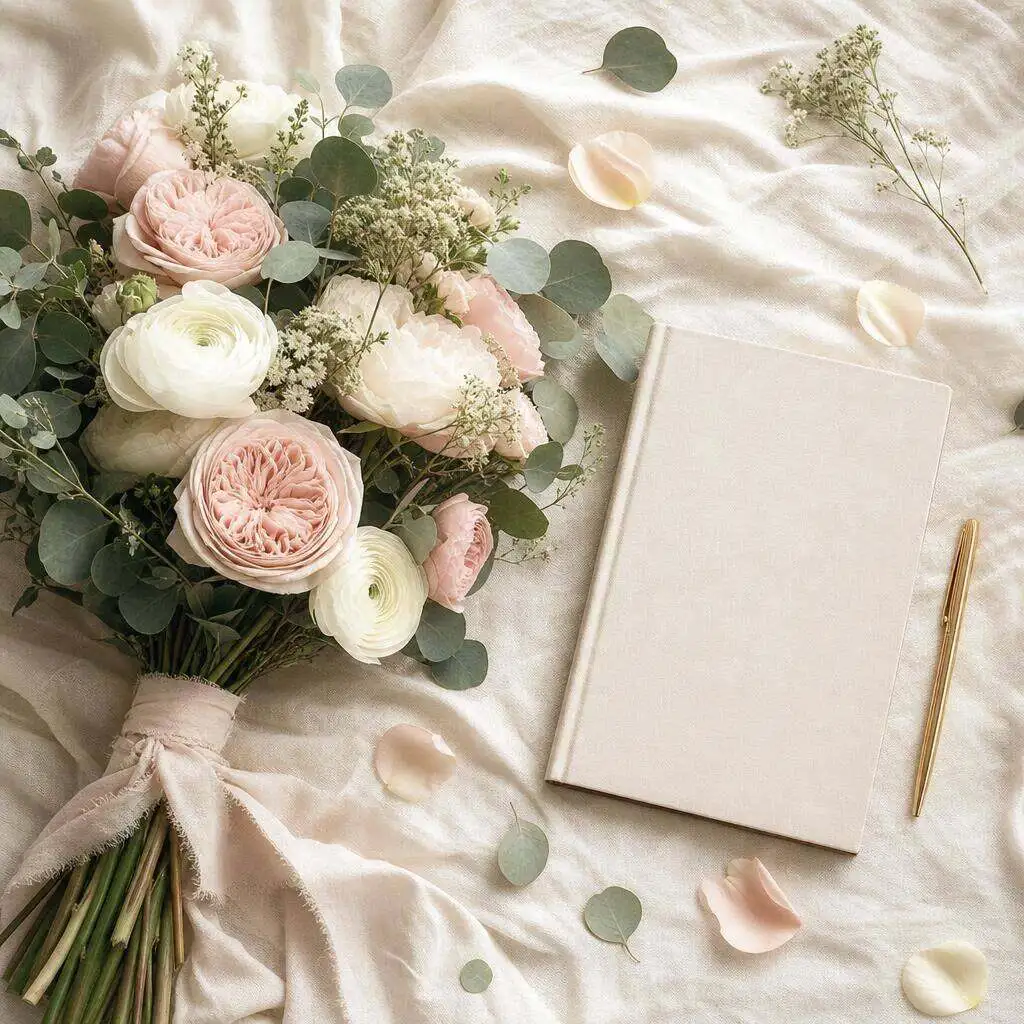
Free Wedding Guide
25 Things Every Couple Should Know Before Meeting Their Florist
The Michigan Wedding Flower Planning Guide — the honest briefing we wish every couple had before their first florist meeting.
- Real mid-Michigan flower price ranges
- What blooms in each Michigan season
- The questions that save couples money
Instant access. No spam — from Bentley Florist, family-owned in Burton since 1963.
Flowers before the big day
Browse Fresh Flowers
Rehearsal dinners, showers, thank-yous — for the flower moments before the wedding, Bentley Florist delivers same-day.