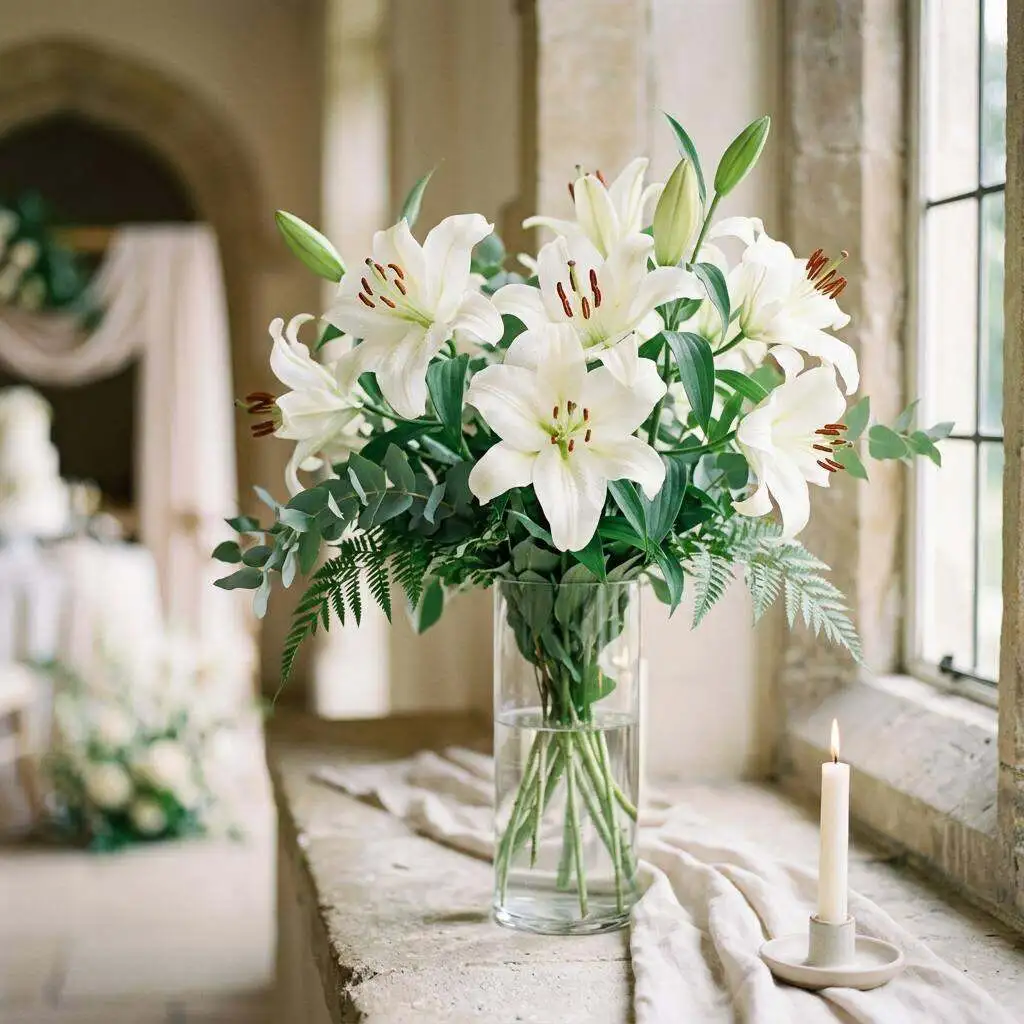
When you want to comfort a grieving Jewish family, the most important thing to know is also the simplest: flowers are often not part of a traditional Jewish funeral, and the caring first step is to check with the funeral home or family before sending anything. Because practices differ so much from one community and family to another — customs vary by tradition, by generation, and by personal wishes — asking first is not just courtesy here, it is the heart of getting it right.
This guide is written to help you pause before you order. In many Jewish communities, comfort is expressed through presence, food, donations, and words rather than flowers, and sending an arrangement without checking can land in a way you did not intend. In some families, including among some who identify as Reform, flowers are welcomed; even then they are usually kept modest. The only way to know is to ask.
Bentley Florist, family-owned in Burton, Michigan since 1963, approaches Jewish sympathy the way we approach the whole of grief work — quietly and by listening. Sometimes that means designing a modest arrangement a family has said they welcome; often it means helping you express care another way entirely, and being honest when flowers are not the right gesture.
Overview
About This Celebration
In many Jewish traditions, a funeral is simple and swift, and flowers are not part of it. Comfort tends to be expressed through the community's presence, through meals brought to the home, through charitable gifts in the person's memory, and through the ritual of visiting during the mourning period that follows. For families who observe this way, an arrangement sent to the service can feel out of place, however kindly meant.
Practice is not uniform, though. Some families, including among some Reform communities, do welcome flowers, and where they do, modest arrangements are usually the fitting choice. Because there is no single practice, the respectful move is always to ask the family or the funeral home first, rather than to apply a general expectation in either direction.
Where a family observes a period of mourning at the home, that setting — not the funeral — is more often where a welcomed gesture belongs, and only when the family has indicated it is welcome. A plant or a simple arrangement can support the home during those days. When flowers are not the right gesture at all, there are graceful alternatives, and helping you choose one is part of the work.
Our starting point
Begin With the Family
Before we suggest a single stem, these are the questions we ask — because your family is the authority on your traditions.
- 01Ask, before anything else, whether the family welcomes flowers at all — many do not, and this is the question that matters most.
- 02Ask whether there is a funeral home or family contact who can confirm what is appropriate.
- 03Ask whether the family would prefer a donation, a meal, or another form of support instead.
- 04Ask, if flowers are welcomed, whether they should go to the home during shiva rather than the funeral.
- 05Ask whether the family observes a period of mourning at the home during which visitors and gestures are received.
- 06Ask what the family would find comforting, rather than assuming any particular custom.
Floral opportunities
Where Flowers Can Live
Confirming first, before any gesture
Ahead of every option below sits a single step: confirm with the family or funeral home that flowers are welcome, since in many Jewish traditions they are not.
The home during the mourning period
Where a family indicates flowers are welcome, a modest arrangement or plant sent to the home during shiva can offer quiet comfort; only when the family has said it is welcome.
A living plant for the home
A simple green or flowering plant can be a gentle, lasting gesture in a home receiving visitors, where the family welcomes it.
A modest arrangement, where welcomed
For families who do welcome flowers, a small, restrained arrangement suits far better than anything large.
A donation in the person's memory
A charitable gift is a widely welcomed way to honor a life in many Jewish communities; we can help friends coordinate this as the gesture instead of flowers.
A meal for the mourning home
Not floral, but worth naming — food brought to a home receiving visitors is a deeply valued kindness that fits many families' traditions.
Later remembrance
A gesture at a later time, such as around an anniversary of passing, can be meaningful for some families; ask whether it would be welcomed.
Palette
Color & Design Considerations
The first design question here is not color but whether flowers belong at all. Once a family has confirmed they welcome them, restraint guides everything that follows. Small scale, simple shapes, and a quiet palette suit the setting, which is more often a home receiving visitors than a formal service.
Soft whites, creams, and greens read as calm and unobtrusive, and make a gentle default when a family has not named a preference — a starting point rather than a rule. Some families prefer the colors their loved one favored, and we follow their lead when they share it.
Fragrance deserves a light touch. In a home receiving many visitors over the mourning days, strongly scented flowers can become overwhelming, so we lean toward neutral blooms unless the family indicates otherwise.
The flowers, where welcomed, support the family — never the tradition itself. We do not build religious symbols into arrangements or treat any sacred element as decoration. The family's own observance carries the meaning; a modest arrangement simply keeps respectful company where it has been welcomed.
Bring these questions to your family conversation
- First and foremost, has the family confirmed they welcome flowers at all?
- If flowers are welcome, should they be kept small and modest?
- Would soft, pale tones suit, or does the family prefer other colors?
- Would a living plant be more welcome than cut flowers?
- Should fragrance be kept gentle for a home receiving many visitors?
- Is there a flower or color the family associates with their loved one?
- Would the family rather friends contribute to a donation instead?
Planning around the calendar
Michigan Seasons & Your Venue
Spring
Michigan spring offers tulips, hyacinths, and early greenery well suited to the modest arrangements that fit here when flowers are welcomed.
Summer
Local supply peaks, but heat matters; heat-tolerant flowers and prompt delivery keep a simple home arrangement fresh on warm days.
Fall
Soft-toned seasonal blooms are plentiful before frost; we confirm current availability since a swift timeline leaves little room to source specialties.
Winter
Genesee County winters rely on greenhouse and imported flowers; restrained white and green designs stay dependable, and we protect them from the cold in transit.
Because a welcomed gesture more often goes to the home than to a service, indoor conditions are usually the concern — a modest piece that sits comfortably in a home receiving visitors and holds up through the mourning days. A living plant can be an especially fitting choice where longevity matters.
Since many Jewish funerals are simple and swift, and flowers are frequently not part of them, we generally do not plan for the service setting unless a family has specifically said flowers are welcome there. When in doubt, the funeral home can confirm what the family wishes.
Delivery timing is a real kindness. A gesture that arrives during the mourning days, when the family is receiving visitors, tends to land better than one rushed toward a service where it may not belong. We coordinate the window with the family or funeral home so nothing arrives at the wrong moment.
Making choices with impact
Where Flowers Matter Most
The most caring use of resources here often begins with a question rather than a purchase: is a flower the right gesture at all? When it is not, a donation the family welcomes or a meal for the mourning home carries more meaning than any arrangement could.
Where flowers are welcomed, impact comes from restraint and placement, not scale. A single modest arrangement or a plant at the home does more than something large, and a small gesture reads as respectful rather than showy.
Longevity can make a modest gesture feel generous. A living plant that continues through the mourning days and beyond keeps its quiet company far longer than cut flowers built for a single afternoon.
For a group sending together, pooling toward one welcomed gesture — or toward a donation the family has requested — usually serves better than many separate arrangements arriving at a home. It keeps the tone calm and honors what the family has asked for.
Your family's traditions and preferences deserve to be heard. Share the details that matter to you, and Bentley Florist will help explore floral ideas that respectfully support your celebration.
Conversation guides
Questions Worth Asking
For your family
- Do you welcome flowers, or would you prefer another form of support?
- Is there a funeral home or family contact we should coordinate with?
- Would you rather friends contribute to a donation in your loved one's memory?
- If flowers are welcome, should they go to the home rather than the service?
- Are you observing a period of mourning at the home during which a gesture would be received?
- If flowers are welcome, would you prefer them small and modest?
- Would a living plant suit your home better than cut flowers?
- Are there colors or flowers you associate with your loved one?
- Should fragrance be kept gentle for a home receiving many visitors?
- Who should the card be addressed to, and how would you like it signed?
- Would a later gesture, such as around an anniversary, be welcomed?
- Is there anything about your family's traditions you would like us to understand?
For your venue or house of worship
- Has the family indicated whether flowers are welcome at all?
- Is there a funeral home we should confirm the family's wishes with?
- If flowers are welcome, should they go to the home rather than the service?
- Is the home receiving visitors during a mourning period, and when?
- What delivery window suits the family's schedule?
- Who will receive and place a gesture at the home?
- Is there parking or access guidance for delivery?
- Would the family prefer a gesture redirected toward a donation?
- How would the family like the card addressed and signed?
- Are other friends or groups sending, so gestures can be coordinated?
Learn from experience
Planning Mistakes to Avoid
Sending without asking first
This is the central one: because flowers are often not part of a traditional Jewish funeral, sending an arrangement without checking can land poorly. A quick word with the funeral home or family settles it.
Directing flowers to the service
Even where a family welcomes flowers, the service is usually not the place; the home during the mourning period is more often where a welcomed gesture belongs.
Assuming all Jewish families observe the same way
Practice varies, including among some Reform families who do welcome flowers; the answer comes from asking this family, not from a general rule in either direction.
Overlooking a donation request
A charitable gift is a valued gesture in many communities; when a family requests it, honoring that request matters more than sending flowers.
Sending something large or heavily scented
Where flowers are welcomed, a big or strongly fragrant arrangement can overwhelm a home receiving visitors; keep any gesture modest and gently scented.
Keep track
Your Planning Checklist
Before you order
If flowers are welcome
Coordinating delivery
FAQ
Common Questions
Related resources
Keep Exploring
Cultural Sympathy Overview
How to send sympathy flowers thoughtfully across cultures and faiths — when flowers comfort, when to ask first, and respectful alternatives.
Muslim Sympathy Etiquette
Respectful guidance on expressing sympathy to Muslim families — why asking first matters, when flowers may or may not fit, and caring alternatives.
Chaldean & Christian Memorial
Memorial floral guidance for Chaldean and other Christian families — church services, visitations, memorial dinners, and pieces that honor a life.
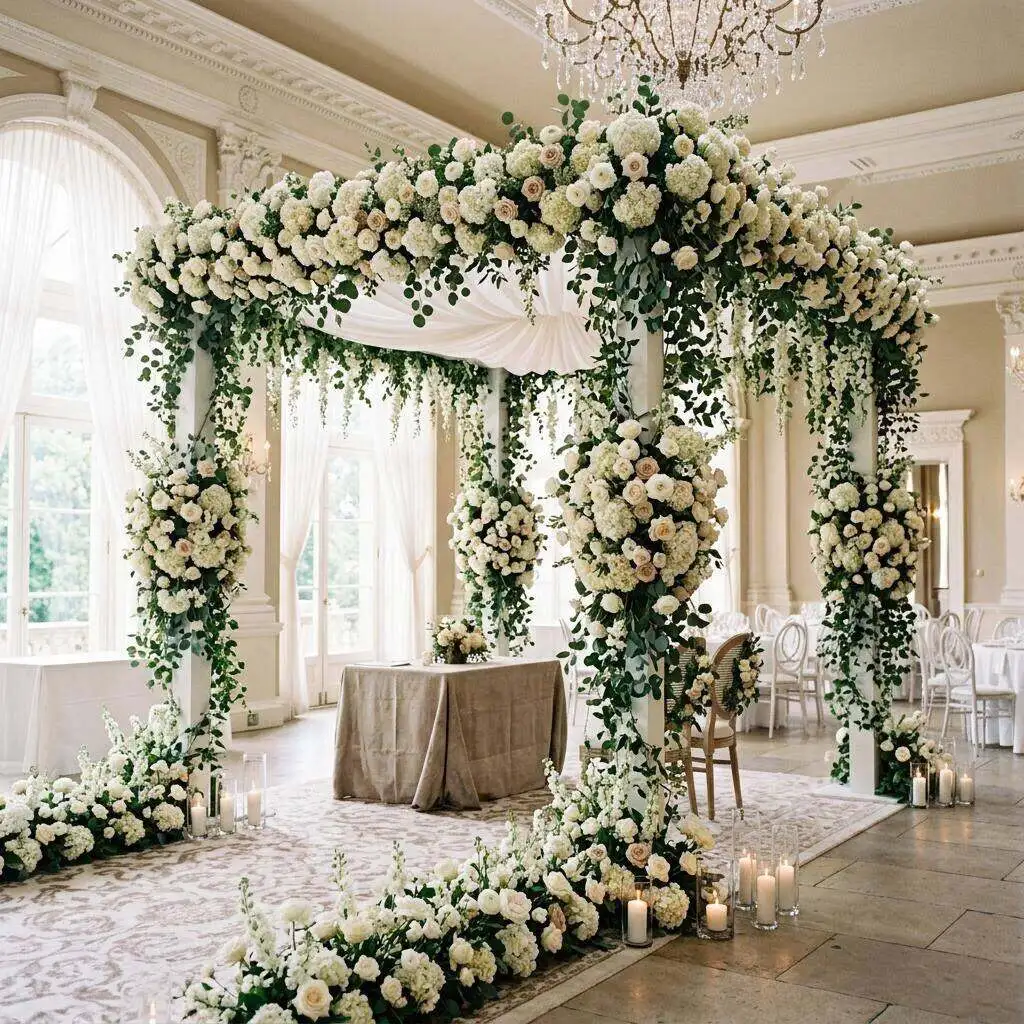
Jewish Wedding
Thoughtful floral planning for Jewish weddings — chuppah designs, ceremony and reception flowers, and questions for your officiant, venue, and family.
From the Flower Knowledge Center
Plan the whole celebration
Step-by-step planning help for this occasion — timelines, ideas, and checklists.
Written by the Burton Floral Design editorial team, presented by Bentley Florist. Published July 22, 2026 · Last updated July 22, 2026.
© Burton Floral Design, presented by Bentley Florist. All rights reserved. This guide may be shared in its original, unmodified form with attribution and a working link to BurtonFloralDesign.com. Content may not be republished, resold, altered, or represented as another organization's work without written permission.