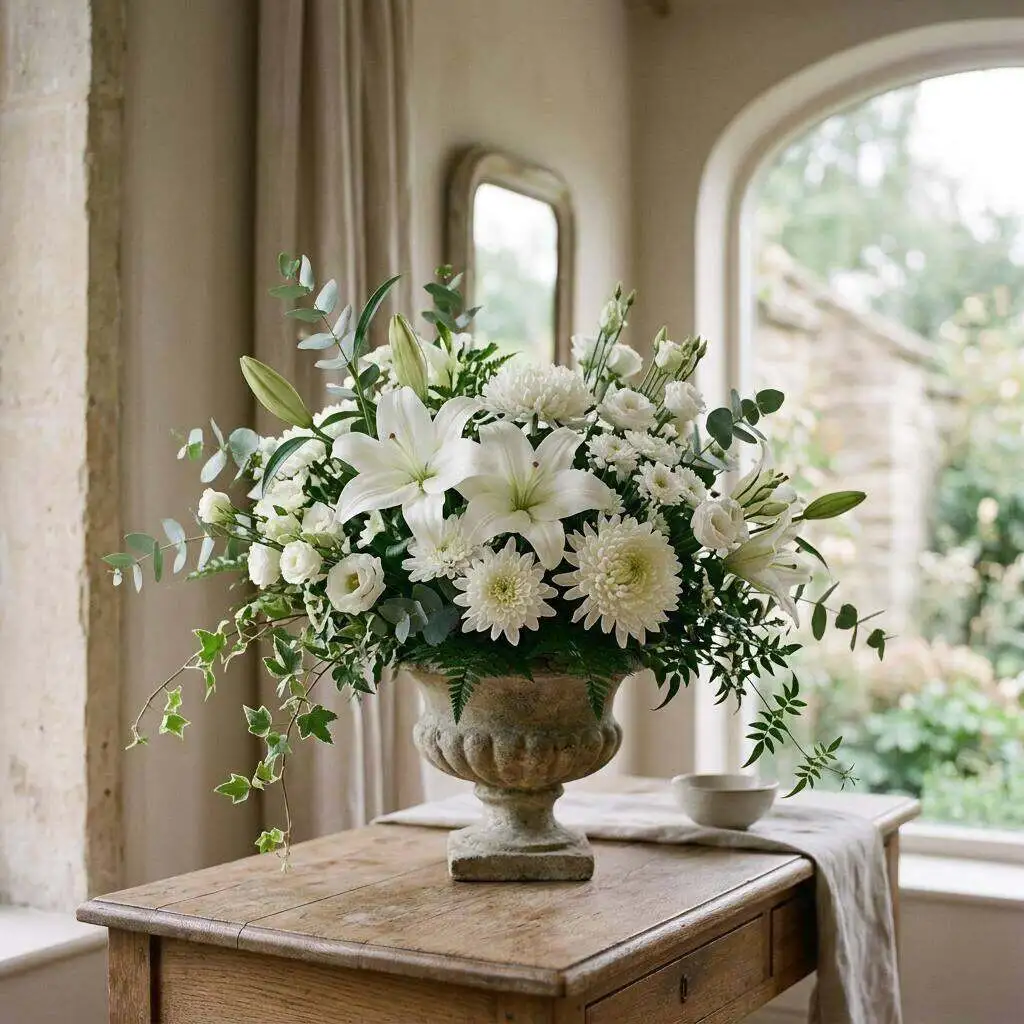
When someone dies, the wish to send flowers is often the first way we reach for words we cannot find. Yet flowers do not carry the same meaning in every home. In some faiths and heritages they are a central and welcome comfort; in others they may be gently set aside in favor of a visit, a meal, or a donation. Because these customs vary so widely by family, faith, region, and generation, the kindest first step is almost always to ask before you send.
This guide is written for the moment before you place an order — when you want to honor a life and support the people grieving, but you are unsure what will be received well. Bentley Florist, family-owned in Burton, Michigan since 1963, approaches sympathy work by listening first: to the family, to the funeral home, and to the small details that tell us what will bring comfort rather than confusion.
There is no single right gesture. The right gesture is the one this particular family will best receive. Sometimes that is a quiet arrangement at the service; sometimes it is a plant at the home weeks later; sometimes it is stepping back and offering support in another form entirely. Our role is to help you find the version of care that fits.
Overview
About This Celebration
Sympathy floristry sits at the intersection of many different customs, and no two families arrive with the same expectations. Some Christian traditions center flowers at visitations and services; some Muslim and Jewish families follow customs where cut flowers play little or no part; still others blend practices across an interfaith or multicultural family. Rather than memorize rules, we ask what this family observes and design from there.
The heart of respectful sympathy work is the ask-first principle. Before a design, before a color, before a delivery date, the question is simply whether flowers are welcome and, if so, where. Funeral homes are a reliable partner here — they usually know the family's wishes, the schedule, and any restrictions at the place of worship or graveside.
When flowers are not the customary gesture, that is not a dead end. A donation in the person's memory, a meal delivered to the home, a note that arrives when the crowds have gone, or a living plant offered later can all express the same care. We would rather help you choose the gesture the family will receive well than send the one you first imagined.
Our starting point
Begin With the Family
Before we suggest a single stem, these are the questions we ask — because your family is the authority on your traditions.
- 01Ask whether the family welcomes flowers at all, or whether they have requested donations, meals, or another form of support instead.
- 02Ask which faith or heritage traditions matter to the family, so any design can be considered in that light rather than assumed.
- 03Ask where and when a gesture would be received — the funeral home, a place of worship, the graveside, or the home during a period of mourning.
- 04Ask whether there is a coordinating funeral director or family contact who can confirm what is appropriate and when.
- 05Ask whether the family has named a color, flower, or style that reflects the person, or one they would prefer to avoid.
- 06Ask whether a lasting gesture, such as a living plant or a later remembrance, would mean more than something for the service itself.
Floral opportunities
Where Flowers Can Live
Funeral home visitation
Where flowers are welcomed, standing sprays, baskets, and arrangements support the room during calling hours; confirm the schedule and delivery window with the funeral director first.
Service or place of worship
Some houses of worship welcome flowers near the front; others limit or discourage them. Ask the family and the venue before designing anything for the service itself.
Casket or urn presentation
Pieces here are typically arranged by the immediate family; if you are close family, coordinate directly rather than assuming your gesture belongs at the front.
Graveside or committal
Simple, weather-ready flowers or a small bouquet can suit a graveside where the family welcomes them; some traditions prefer nothing at all.
The family home
For many families the home is where comfort lands best — an arrangement or plant that arrives during or after the gathering days, when welcomed.
Memorial or celebration-of-life gathering
Warmer, more personal designs can suit a gathering that celebrates a life; take cues from the family on tone.
Later remembrance
A birthday, an anniversary of passing, or a quiet week later are all moments when a gesture is often felt more than at the crowded service.
Living plant as a lasting memorial
A plant that continues to grow can be a gentle, enduring gift, especially where cut flowers are not part of the tradition.
Workplace or group tribute
Colleagues and friends often send jointly; a single well-considered piece, confirmed as welcome, usually reads better than many.
Palette
Color & Design Considerations
Color in sympathy work is quieter than in almost any other occasion. Soft whites, creams, and pale greens are widely read as restful and are a safe starting point when you do not know the family's preferences. But color is not universal — one family finds white the most fitting, another wants the bright hues the person loved. We ask before we assume.
Design tends toward calm. Clean lines, gentle movement, and unfussy shapes let an arrangement support a room without demanding attention. Fragrance deserves a light touch; strong-scented flowers can overwhelm a small space or a long visitation, so we balance them with more neutral blooms when needed.
Personal touches matter more than grandeur. A flower the person grew, a color from a favorite garden, or a shape that echoes something they loved often means more than size. When a family shares these details, they become the design; when they do not, restraint is the kinder default.
Above all, flowers here support the family's own observance — they do not stand in for it. We never suggest sacred objects or religious symbols as decoration. If faith shapes the service, the family and their clergy carry that meaning, and the flowers simply keep quiet company alongside it.
Bring these questions to your family conversation
- Does the family lean toward soft, pale tones, or would they prefer the colors the person loved?
- Is there a flower that held meaning for the person or the family?
- Are there colors or flowers the family would rather not see?
- Should fragrance be kept gentle for a small room or a long visitation?
- Would the family prefer one considered piece over several arrangements?
- Is there a garden, hobby, or favorite place that could quietly inspire the design?
- Would a lasting plant suit the family better than cut flowers?
Planning around the calendar
Michigan Seasons & Your Venue
Spring
Michigan spring brings tulips, hyacinths, and early lilies in abundance, along with flowering branches; soft seasonal palettes are easy to source and read gently.
Summer
Peak local supply, but heat is the challenge — arrangements at outdoor graveside services need heat-tolerant flowers and shade, and delivery timing matters most on hot days.
Fall
Chrysanthemums, dahlias, and warm-toned blooms are at their best; late-season frost can shorten field availability, so we confirm what is current before promising specific flowers.
Winter
Genesee County winters lean on greenhouse and imported blooms; white and green designs stay reliable, and we protect flowers from cold during transport between vehicle and door.
Where a gesture will land shapes what we design. Funeral homes are climate-controlled and predictable; a place of worship may have its own guidance on whether and where flowers may sit; a graveside is fully exposed to Michigan weather. We ask about the setting so a piece holds up through the moment it is meant for.
Outdoor committals in summer heat or winter cold call for hardier flowers and careful timing — an arrangement that must sit through a long service or wait in a cold car needs blooms chosen for resilience. For the home, longevity matters differently: a family may want something that lasts through the mourning days and beyond.
Delivery timing is its own quiet courtesy. Flowers that arrive too early can crowd a family still preparing, and flowers that arrive late miss the moment entirely. We coordinate the window with the funeral home or the family so the gesture arrives when it helps most.
Making choices with impact
Where Flowers Matter Most
The most meaningful sympathy gesture is rarely the largest. When it comes to where flowers carry the most impact, a single well-placed, thoughtfully designed piece almost always speaks more clearly than several hurried ones. Scale should follow relationship and setting, not competition.
Think about where the gesture will be seen and for how long. A piece at a short graveside is present briefly; an arrangement or plant at the home continues its work for days or weeks. Directing care toward the moment that lasts often makes it feel more generous, whatever its size.
Some flowers can move between moments. Where the family welcomes it, an arrangement from the service can travel to the home afterward, so a single gesture supports more than one setting. We can design with that reuse in mind when it suits the family.
When flowers are not the customary gesture, the most caring use of resources may be elsewhere entirely — a donation the family has requested, a meal, or a later remembrance. We would rather guide you toward the gesture that will be received well than toward the biggest arrangement.
Your family's traditions and preferences deserve to be heard. Share the details that matter to you, and Bentley Florist will help explore floral ideas that respectfully support your celebration.
Conversation guides
Questions Worth Asking
For your family
- Does your family welcome flowers, or would you prefer donations, meals, or another form of support?
- Which faith or heritage traditions would you like us to keep in mind?
- Is there a funeral home or family contact we should coordinate with?
- Where would a gesture be received best — the service, the graveside, or the home?
- Are there days of mourning during which flowers at the home would or would not be welcome?
- Is there a color or style that reflects the person, or one you would rather avoid?
- Was there a flower, garden, or place the person loved?
- Would a lasting plant mean more than cut flowers?
- Would you prefer one considered piece or several smaller ones?
- Should fragrance be kept gentle for the setting?
- Is there a later date — a birthday or anniversary — when remembrance would matter?
- Is there anything about your traditions you would like us to understand before we suggest anything?
For your venue or house of worship
- Does the funeral home have a preferred delivery window for arrangements?
- Are flowers welcome at the service, and if so, where should they be placed?
- Does the place of worship have any guidance on flowers during the service?
- Is there a limit on the size or number of arrangements the space can hold?
- Will flowers move with the family from the service to the graveside or home?
- Is the graveside portion outdoors, and how long will it last?
- Who receives and places arrangements on the day?
- Are there arrangements the immediate family is providing that we should coordinate around?
- Is there parking or access guidance for delivery?
- Should the card be addressed to the family, and how would they like it signed?
Learn from experience
Planning Mistakes to Avoid
Sending before asking
Placing an order without checking whether the family welcomes flowers is the most common misstep; a quick word with the funeral home or family avoids sending something that does not fit their traditions.
Assuming one custom fits all
Treating every family the same overlooks how much sympathy customs vary; ask what this family observes rather than applying a general rule.
Ignoring donation requests
When a family has asked for donations in lieu of flowers, sending a large arrangement anyway can feel like it was not heard; honor the request or coordinate a small, welcomed gesture instead.
Mistiming the delivery
Flowers that arrive too early crowd a family still preparing, and late ones miss the service; confirm the window rather than guessing.
Overwhelming a small space
A piece too large or too strongly scented can dominate a modest room; scale and fragrance should suit the setting, not compete with it.
Keep track
Your Planning Checklist
Before you order
Designing the gesture
Coordinating delivery
FAQ
Common Questions
Related resources
Keep Exploring
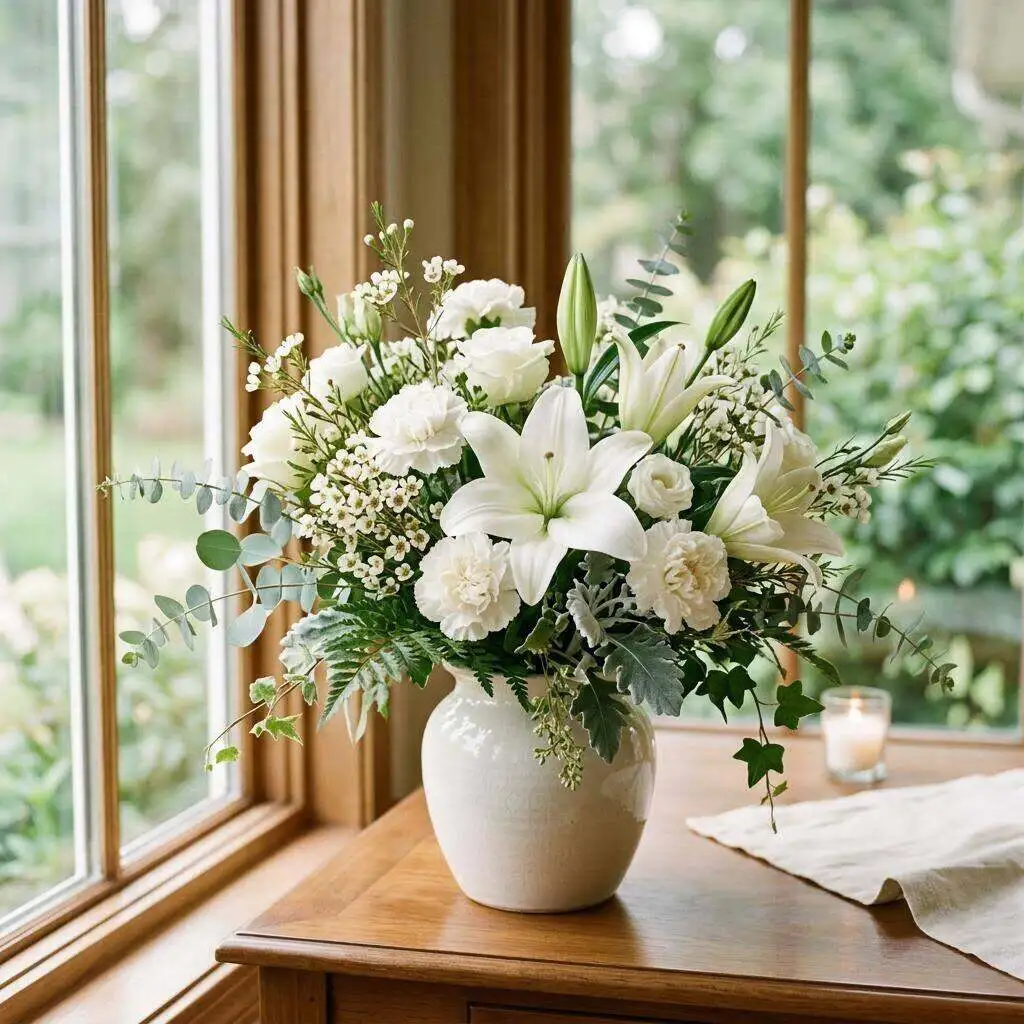
Muslim Sympathy Etiquette
Respectful guidance on expressing sympathy to Muslim families — why asking first matters, when flowers may or may not fit, and caring alternatives.
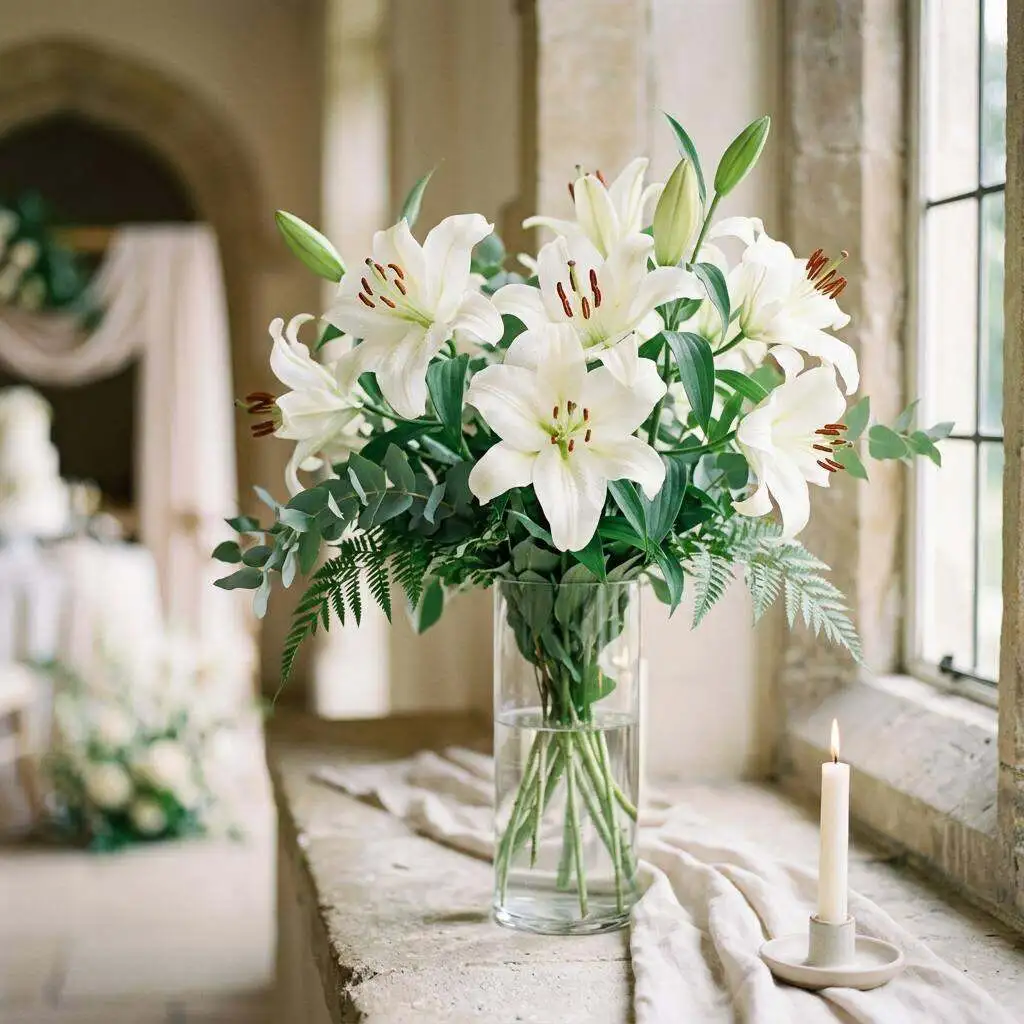
Jewish Sympathy Considerations
Thoughtful guidance before sending flowers to a Jewish home or service — traditions differ by community, so here is what to ask and kind alternatives.
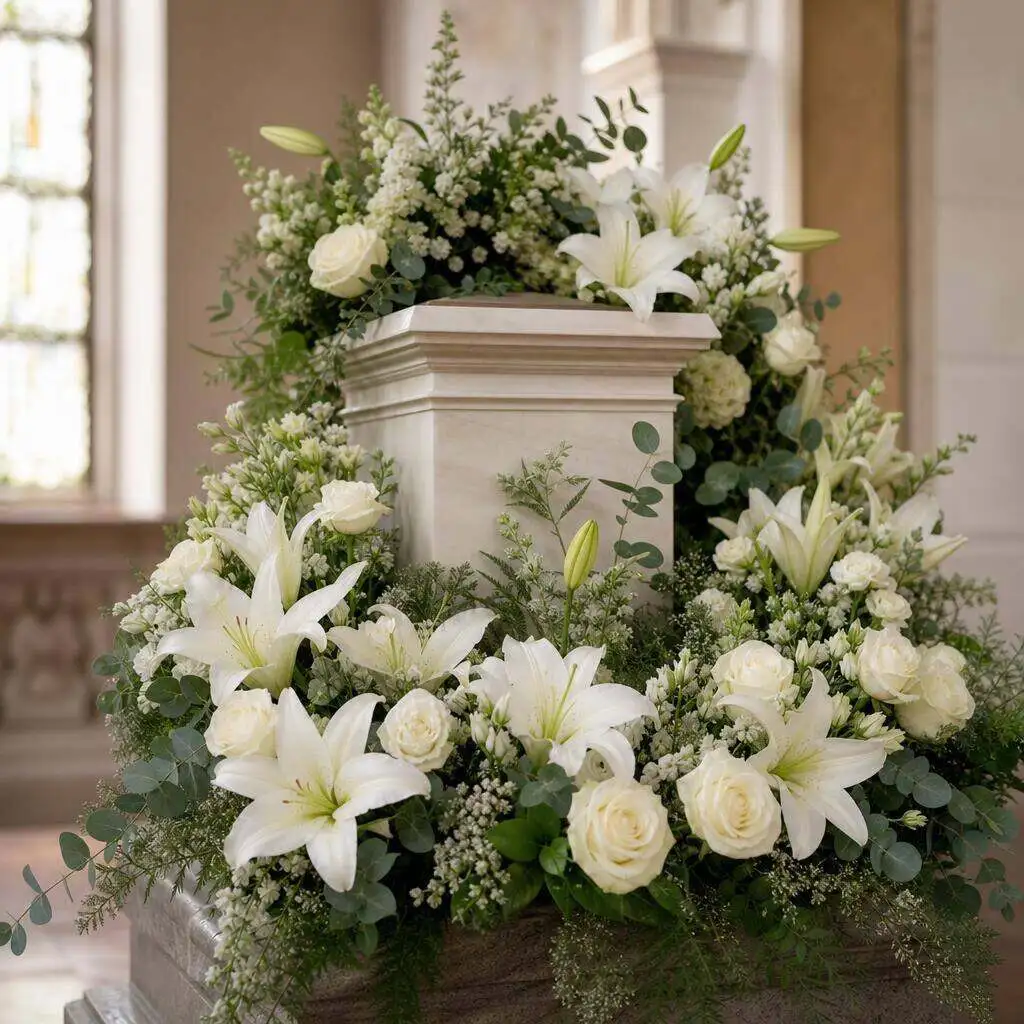
Chaldean & Christian Memorial
Memorial floral guidance for Chaldean and other Christian families — church services, visitations, memorial dinners, and pieces that honor a life.
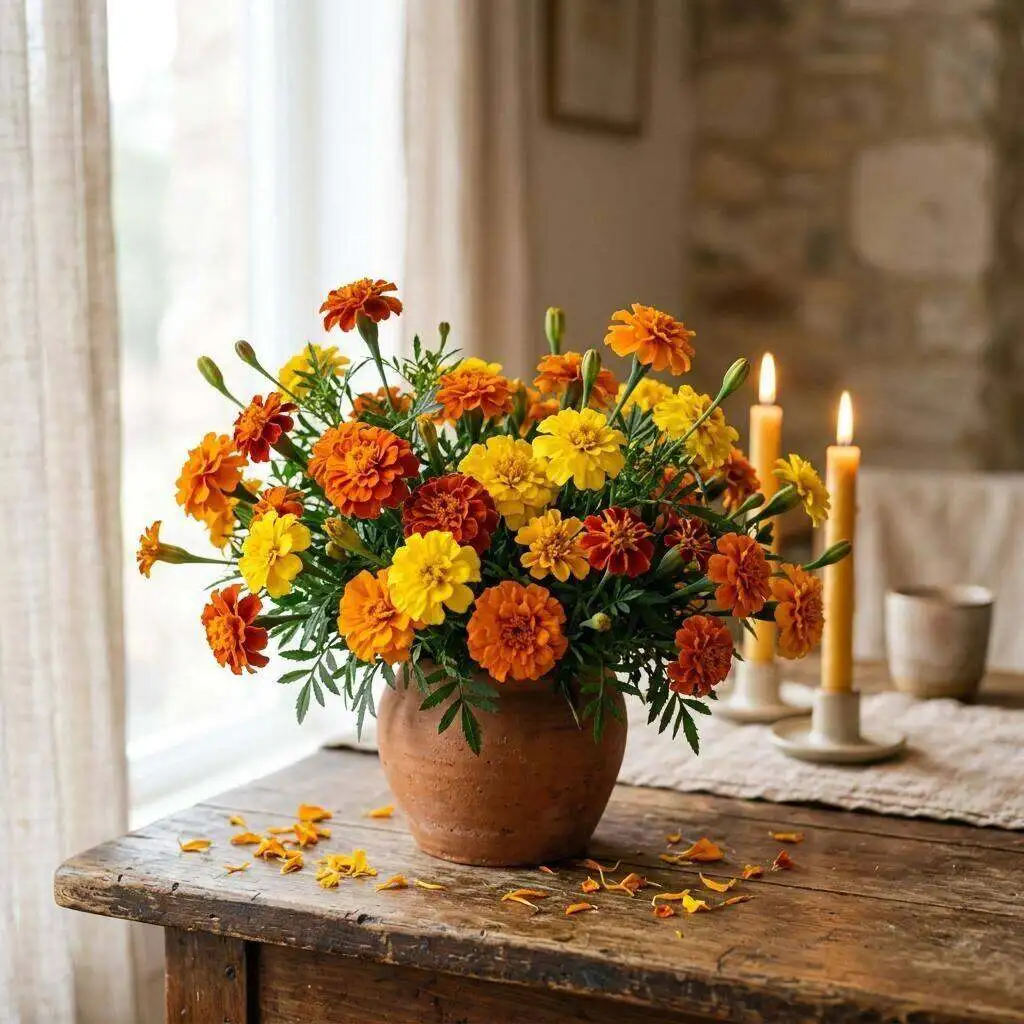
Día de los Muertos
Marigolds and remembrance — respectful floral inspiration for families honoring loved ones during Día de los Muertos, at home or at gatherings.
From the Flower Knowledge Center
Plan the whole celebration
Step-by-step planning help for this occasion — timelines, ideas, and checklists.
Written by the Burton Floral Design editorial team, presented by Bentley Florist. Published July 22, 2026 · Last updated July 22, 2026.
© Burton Floral Design, presented by Bentley Florist. All rights reserved. This guide may be shared in its original, unmodified form with attribution and a working link to BurtonFloralDesign.com. Content may not be republished, resold, altered, or represented as another organization's work without written permission.