How do I mix flower textures for a wedding arrangement?
The Short Answer
Combine three texture roles — focal blooms for impact, supporting flowers for volume, and accent or airy elements for movement — plus greenery to tie it together. Varying petal shape, size, and surface keeps arrangements from looking flat and adds the depth that makes designs feel custom.
Ready to order? Explore fresh, professionally designed arrangements available for local delivery through Bentley Florist.
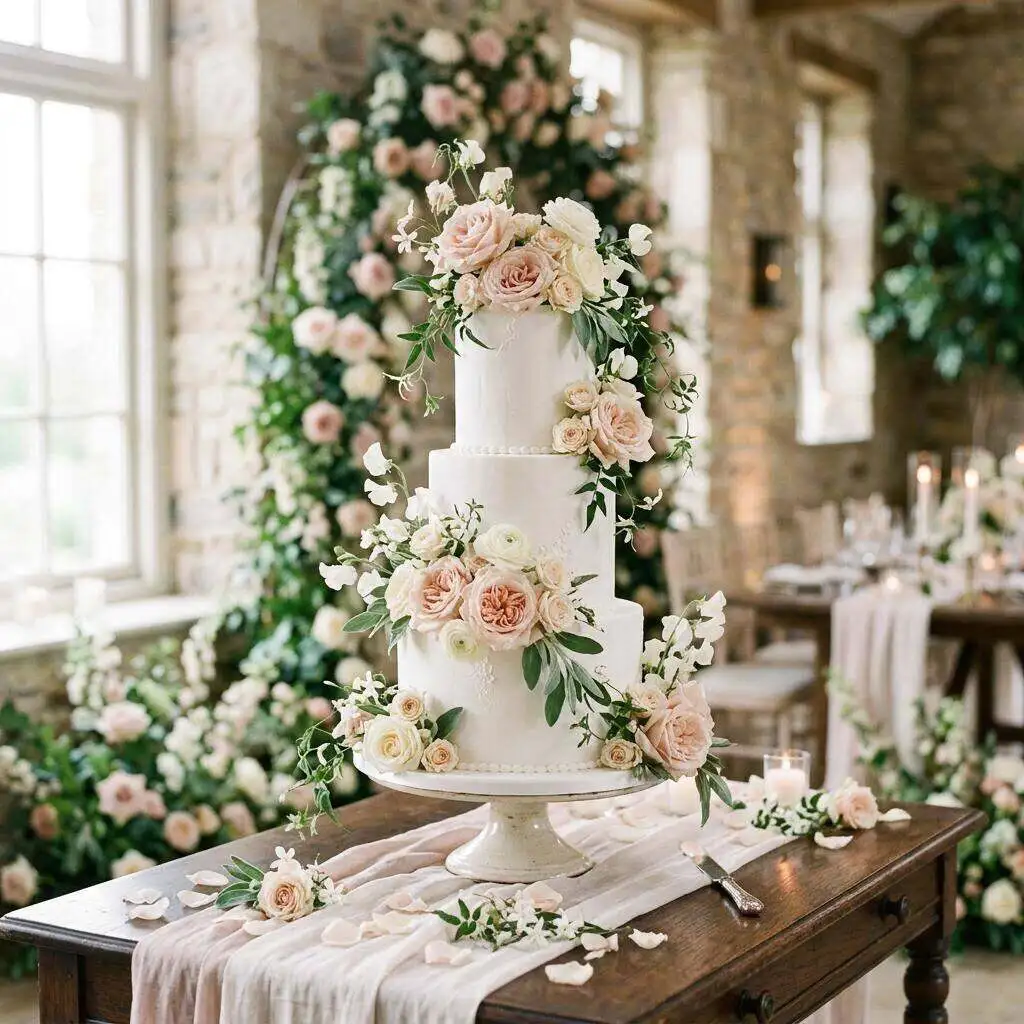
Why texture makes or breaks a design
Color gets the attention, but texture creates the richness that makes a bouquet look designed rather than gathered from a grocery store. Texture is the interplay of smooth petals, ruffled blooms, spiky accents, and feathery greenery. When every flower is the same shape and size, the eye has nowhere to travel and the arrangement reads flat, even in a beautiful color. Layering different textures gives depth and a sense of abundance, which is why professional wedding flowers look so much fuller than the sum of their stems.
The three texture roles
Think in three parts. Focal flowers are your large, eye-catching stars — peonies, garden roses, dahlias, or hydrangeas. Supporting flowers add mid-size volume and bridge the focals — ranunculus, lisianthus, spray roses, or tulips. Accent and airy elements bring movement and delicacy — astilbe, thistle, wax flower, grasses, or trailing greenery. A well-balanced arrangement usually includes all three, with focals as the anchor, supporters filling the body, and accents creating the wispy edges that catch the light and feel alive.
Balancing contrast without chaos
The goal is variety with harmony. Too many competing textures can look busy, so limit yourself to a handful of well-chosen elements and repeat them throughout the design. A reliable formula is one or two focal types, one or two supporters, and one or two accents, unified by consistent greenery and a cohesive palette. Contrast in texture is most effective when color stays disciplined; a monochrome palette with high textural variety looks especially sophisticated. Our designers repeat texture across bouquets, centerpieces, and arches so the whole event feels intentional.
Seasonal texture inspiration
Michigan's seasons offer natural texture. Spring brings soft tulips, ruffled ranunculus, and delicate lily of the valley. Summer adds spiky celosia, airy cosmos, and structural dahlias. Fall is a texture playground — seed pods, berries, grasses, and dried elements alongside dahlias and mums. Winter leans on velvety amaryllis, glossy evergreen, frosted eucalyptus, and berried branches. Playing with in-season texture keeps your wedding fresh and reflective of the time of year, and it usually costs less than importing out-of-season varieties.
Planning Tips From Our Designers
- Include focal, supporting, and accent flowers in every arrangement.
- Limit yourself to a handful of textures and repeat them throughout.
- Pair high textural variety with a disciplined color palette.
- Add airy elements like grasses or astilbe for movement.
- Draw texture from what is in season for freshness and value.
Planning your wedding flowers?
Sit down with a Bentley Florist designer — we will walk through your vision, venue, season, and budget together. Consultations are always free.
Request A Wedding Floral ConsultationPrefer to order flowers now? Shop the Bentley Florist collection — same-day delivery across Burton and Flint.
Keep Exploring