Which wedding flowers photograph the best?
The Short Answer
Flowers with clear shape, good depth of color, and structural contrast photograph best — think roses, peonies, dahlias, ranunculus, and anemones. Avoid tiny, flat, or very pale blooms in dim light, since they can wash out or read as clutter on camera.
Ready to order? Explore fresh, professionally designed arrangements available for local delivery through Bentley Florist.
Why some flowers shine on camera
Cameras love dimension and contrast. Blooms with recognizable, sculptural shapes — the layered petals of a garden rose, the round fullness of a peony, the graphic center of an anemone — hold their form even in motion and from a distance. Rich, saturated colors also survive the editing and printing process better than very pale tones, which can blow out under bright light or camera flash. This does not mean you must avoid soft palettes; it means you should build in contrast through greenery, texture, and a few deeper accent stems so nothing disappears.
Flowers to feature and flowers to use carefully
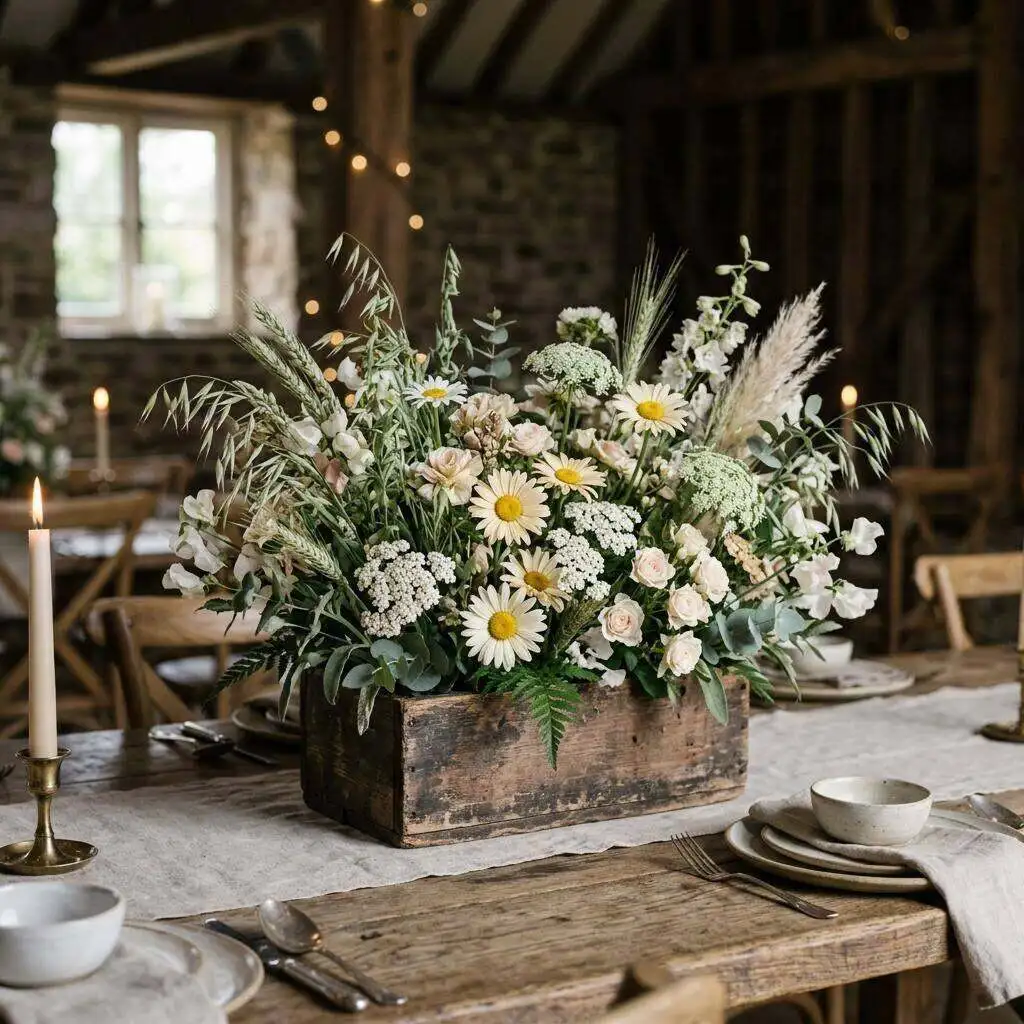
Reliable photographers' favorites include peonies, garden roses, dahlias, ranunculus, anemones, and calla lilies, all of which have strong silhouettes. Use very small filler flowers and extremely pale blooms as supporting texture rather than the star, since they can look like visual noise in wide shots. All-white bouquets are gorgeous in person but need varied shapes and layered greenery to keep depth on camera. If you love baby's breath, cluster it densely for impact rather than scattering it thinly, where it tends to gray out in photos.
Lighting, venue, and time of day
The most photogenic flowers still depend on light. Soft, natural daylight is the most flattering, so outdoor and window-lit portraits usually capture flowers best. A dim reception hall can mute even bold blooms, which is another reason to include saturated color and clear shapes. In Michigan, late-afternoon golden light in summer and early fall is spectacular for portraits, so ask your photographer about scheduling a few minutes then. Talk with us about your venue's lighting so we can adjust color intensity — a darker space benefits from brighter, higher-contrast flowers.
Designing for close-ups and wide shots
Your flowers will be photographed two ways: tight detail shots and full scene shots. Detail shots reward interesting centers, layered petals, and unexpected texture, so a few special focal blooms pay off. Wide shots reward clear color blocking and enough visual weight to register across the room, which is why centerpieces sometimes need more height or density than they seem to need up close. Our designers build wedding flowers with both distances in mind, ensuring your bouquet looks intentional in a portrait and your reception reads beautifully in the sweeping venue photos.
Planning Tips From Our Designers
- Favor flowers with strong, recognizable shapes like peonies and dahlias.
- Add deeper accent tones so pale palettes keep depth on camera.
- Cluster baby's breath densely rather than scattering it thinly.
- Schedule portraits in soft daylight or golden hour when possible.
- Ask for brighter, higher-contrast flowers in dim reception halls.
Planning your wedding flowers?
Sit down with a Bentley Florist designer — we will walk through your vision, venue, season, and budget together. Consultations are always free.
Request A Wedding Floral ConsultationPrefer to order flowers now? Shop the Bentley Florist collection — same-day delivery across Burton and Flint.
Keep Exploring