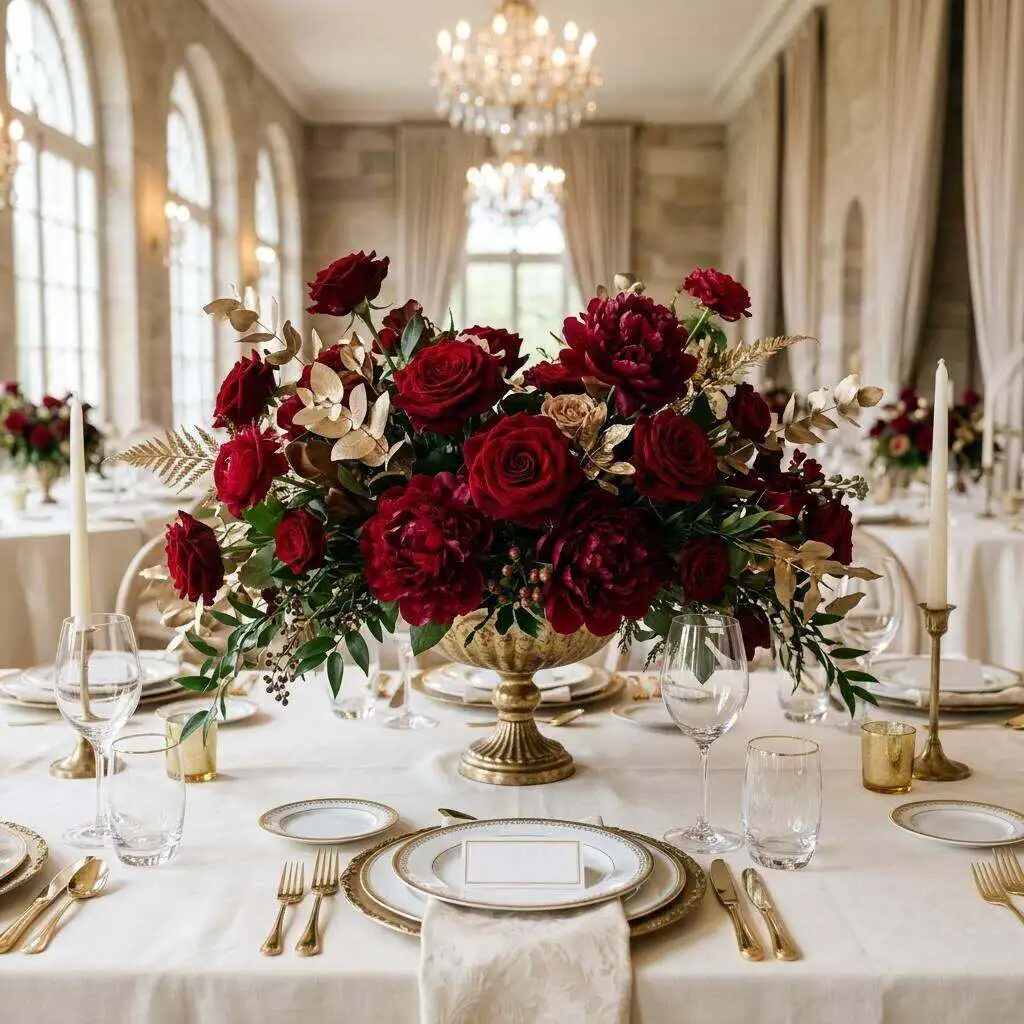
Chinese weddings can unfold across more than one gathering, from an intimate tea ceremony where the couple serves elders to a lively banquet that fills a large hall. The flowers that support these moments range from a single well-placed arrangement to full centerpieces across dozens of tables. This guide is a starting point for planning them with a family's own preferences leading the way.
The ways a Chinese wedding comes together vary by family, region, dialect community, faith, and generation. Some couples center a tea ceremony and a banquet; others add a Western-style ceremony, a home gathering, or a modern reception. A family with roots in one part of China may plan quite differently from another, and a couple building a life in Michigan may blend heritage with new choices in their own way.
At Bentley Florist, family-owned in Burton, Michigan since 1963, we start by listening. We ask which events and customs matter to you rather than assuming anything, and we treat color, style, and symbol as decisions the family makes. What follows is practical guidance for planning wedding flowers that respectfully support your celebration.
Overview
About This Celebration
For many families, a tea ceremony is a meaningful part of the day. The couple serves tea to elders, who often offer blessings in return, and flowers here work best when they frame the moment without crowding it. A low, uncluttered arrangement near the serving area keeps sightlines and photographs clear while still marking the occasion as special.
A banquet or reception frequently anchors the celebration, and here flowers can be more generous. Round tables suit centerpieces guests see over easily, and a fuller design at the couple's table gives the room a focal point. Because banquet halls can be large, scaling flowers to the space matters more than filling every surface.
Some families display the double-happiness symbol during the celebration. When they do, flowers can frame and complement it beautifully. The family brings the symbol and its meaning; our role is simply to set it off with care rather than to restyle or reinterpret it. We follow the family's lead on where and how it appears.
Our starting point
Begin With the Family
Before we suggest a single stem, these are the questions we ask — because your family is the authority on your traditions.
- 01Which events are you planning, such as a tea ceremony, a banquet, or a separate ceremony, and which would you like flowers to support?
- 02Where will the tea ceremony take place, and how much space do we have to work with?
- 03Which colors feel festive and welcome to your family, and are there any you would prefer we avoid?
- 04Will your family display the double-happiness symbol or another meaningful emblem that flowers should complement?
- 05Who among parents, grandparents, and honored guests should receive personal flowers?
- 06Is there a family member or elder we should coordinate with directly on customs and timing?
Floral opportunities
Where Flowers Can Live
Tea ceremony setting
A low, uncrowded arrangement near the serving area marks the moment while keeping sightlines clear for serving elders and for photos.
Double-happiness display
If the family displays the double-happiness symbol, flowers can frame and complement it. The family brings the symbol; we set it off with care.
Entrance and welcome table
A greeting arrangement warms the room and can accompany a guest book, a seating chart, or a family photo display.
Couple's bouquet and boutonniere
Personal flowers can echo the family's chosen palette, whether saturated and festive or soft and contemporary.
Parent and grandparent flowers
Corsages and boutonnieres honor elders and hosts; confirm who should receive them and in what style.
Banquet centerpieces
Round banquet tables suit centerpieces guests can see over; vary heights so the room feels full without blocking conversation.
Head table or sweetheart table
A fuller design anchors the couple's table and reads well against a large banquet backdrop.
Stage or backdrop
Larger banquets sometimes include a stage or photo backdrop that benefits from florals scaled to the room.
Cake or dessert table
A coordinated touch near the cake or dessert display ties the room together and photographs well.
Palette
Color & Design Considerations
Red is widely celebrated as a festive, joyful color at many Chinese weddings, and some families love to see it carried through the flowers, linens, and decor. That said, not every family wants a red-forward palette, and some prefer soft, modern tones or a mix. We treat red as a welcome possibility to discuss rather than a requirement, and we ask what feels right to you.
Gold and warm metallics often pair with a festive palette, and rich pinks, corals, and deep jewel tones can carry the same celebratory feeling. For a contemporary look, blush, ivory, and greenery-forward designs can feel fresh while still marking the day as special. The direction is yours, and we design to it.
Some families prefer to avoid all-white arrangements for a wedding, since white can carry other associations in certain households. This is worth asking about directly rather than assuming either way, because preferences differ from family to family. If you love white or ivory tones, we can absolutely use them; if you would rather not, we will build warmth through other colors.
When flowers sit near the double-happiness symbol or another meaningful emblem, we design to support it rather than to compete with it. The couple defines what that symbol means; our job is to frame it so it stands out beautifully.
Bring these questions to your family conversation
- Would you like red to feature prominently, as a lighter accent, or not at all?
- Are there colors your family reads as festive that you would like carried through?
- Do you have any concerns about all-white arrangements, or are white and ivory welcome?
- Would you like gold or metallic touches paired with the palette?
- Should the tea ceremony and banquet share a palette or feel distinct?
- Are you drawing inspiration from clothing or fabric we should see photos of?
- Are there specific flowers you love or would rather not include?
Planning around the calendar
Michigan Seasons & Your Venue
Spring
Michigan spring offers tulips, ranunculus, lilac, and early peonies. Cool mornings help delicate blooms hold, though a late frost can shift local availability, so we keep alternatives ready.
Summer
Peonies open in early summer, then garden roses, dahlias, and hydrangea peak. Heat and humidity stress soft petals, so we choose resilient varieties and hydrate well for banquet-hall load-ins.
Fall
Autumn brings dahlias, chrysanthemums, and warm foliage that suit a festive, saturated palette. Cooler air helps full centerpieces last through a long banquet.
Winter
Winter relies on greenhouse and imported roses, ranunculus, amaryllis, and orchids. Deep reds and warm tones read beautifully, and we shield stems from cold during transport.
Chinese wedding celebrations in our area often move between a home or hotel suite for the tea ceremony and a banquet hall for the reception. We confirm access and teardown times at each setting and plan how any shared arrangements travel between them so nothing is left behind.
Banquet halls are typically climate controlled, which helps centerpieces stay fresh through a long evening of courses and toasts. When a portion of the day happens outdoors in the warmer months, we choose sturdy varieties, keep flowers cool until placement, and plan for sun and wind.
Michigan winters call for care in transport, since freezing air can damage delicate blooms between the shop, the vehicle, and the venue. We stage arrangements indoors and time delivery so flowers arrive looking their best right as guests do.
Making choices with impact
Where Flowers Matter Most
Flowers carry the most impact where guests gather and linger. At a tea ceremony, one well-placed arrangement matters more than filling the room, since the ceremony itself is the focus. At a banquet, the centerpieces and the couple's table shape how the whole space feels.
Repurposing stretches beauty across a multi-event day. A tea ceremony arrangement can often move to a welcome or gift table, and a ceremony piece can travel to the banquet entrance or head table. We plan these moves in advance so each flower earns its place twice.
Scale is a useful lever in a large banquet room. A smaller number of tall, generous centerpieces can define a space more effectively than many small arrangements spread thin. When a couple wants presence without excess, we concentrate flowers where the eye naturally lands.
The couple's personal flowers and elders' corsages deserve steady attention, since they mark the people at the heart of the day and appear in nearly every photograph. We help decide where fullness reads and where a simpler touch serves just as well.
Your family's traditions and preferences deserve to be heard. Share the details that matter to you, and Bentley Florist will help explore floral ideas that respectfully support your celebration.
Conversation guides
Questions Worth Asking
For your family
- Which events are you hosting, and which should flowers support?
- Where will the tea ceremony take place, and how much space is available?
- Would you like red to feature prominently, lightly, or not at all?
- Are there any colors, including white, you would prefer we avoid?
- Will the double-happiness symbol or another emblem be displayed?
- Who among family and honored guests should receive personal flowers?
- Should the tea ceremony and banquet share a palette or feel distinct?
- Are you drawing on clothing or fabric as inspiration for the flowers?
- How many tables will the banquet include, and what are their shapes?
- Is there a stage, backdrop, or head table that calls for larger florals?
- Is there a family member we should coordinate with on customs and timing?
- Are there flowers that hold special meaning for you, or any to avoid?
For your venue or house of worship
- What time can we set up, and when does everything need to be removed?
- Are there restrictions on candles, open flame, or hanging installations?
- For a home or suite tea ceremony, where will it be staged and how much space is there?
- At the banquet hall, what are the table sizes and shapes, and how many centerpieces are needed?
- Is there a stage, backdrop, or head table that needs larger arrangements?
- Will venue staff help move flowers between the ceremony and banquet areas?
- Where can we store arrangements before the event, and is it climate controlled?
- Are there loading doors or delivery windows we should plan around?
- Is there space to display the double-happiness symbol or other family emblem where flowers can frame it?
- Is there a venue coordinator we should coordinate setup timing with?
Learn from experience
Planning Mistakes to Avoid
Assuming a red-only palette
Red is widely loved at many Chinese weddings, but not every family wants it front and center. We ask how much red you would like rather than defaulting to it.
Treating white as automatically fine
Some families prefer to avoid all-white arrangements at a wedding, while others welcome white and ivory. We ask directly rather than assuming either way.
Crowding the tea ceremony
Too many flowers can block sightlines and photos during a tea service. A low, uncluttered arrangement usually serves the moment better.
Overlooking multi-event movement
A day with a tea ceremony and a banquet needs a plan for how flowers travel between them, or pieces meant to be reused can end up stranded.
Restyling a family symbol
When the double-happiness symbol is displayed, flowers should frame it, not reinterpret it. The family brings the symbol and its meaning.
Keep track
Your Planning Checklist
Early planning
Design decisions
Logistics and venue
FAQ
Common Questions
Related resources
Keep Exploring
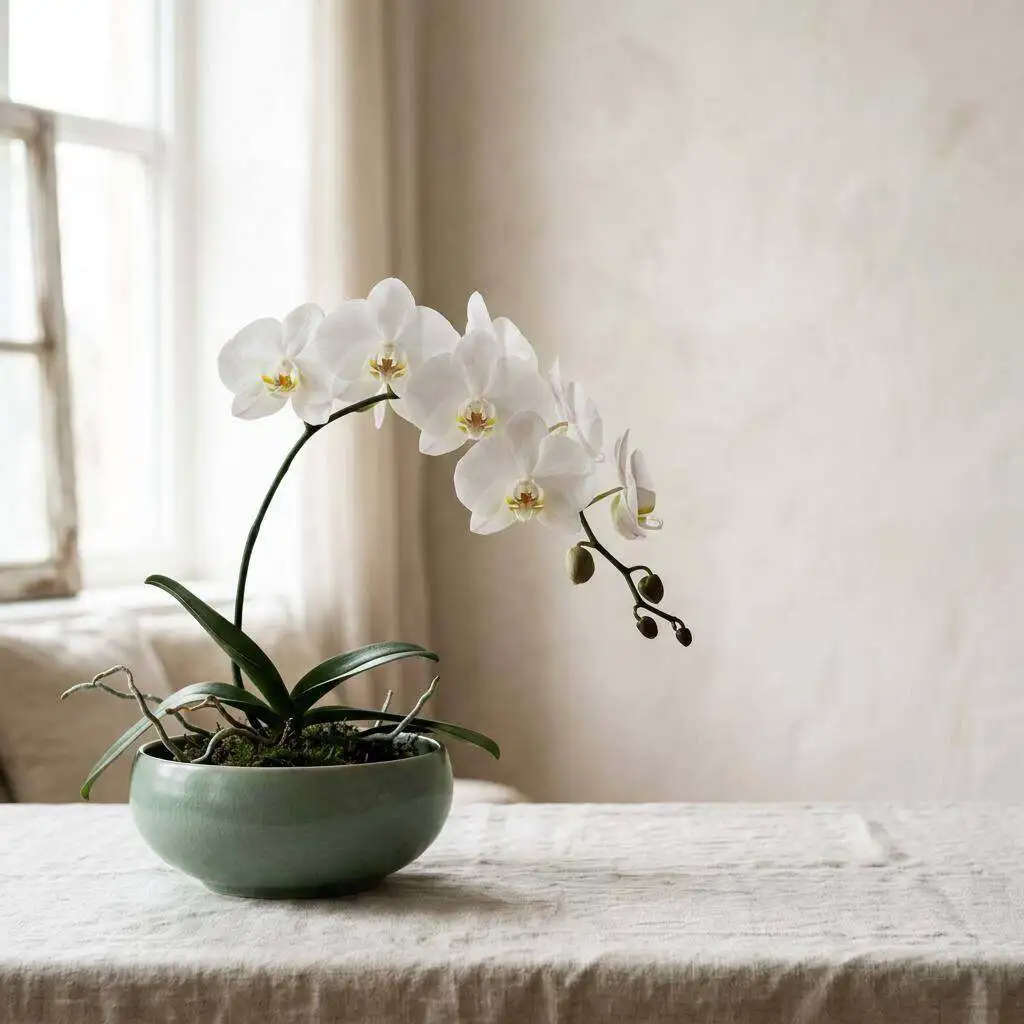
Asian Wedding
A starting point for weddings drawing on East and Southeast Asian heritage — many distinct cultures — with design ideas and family-first questions.
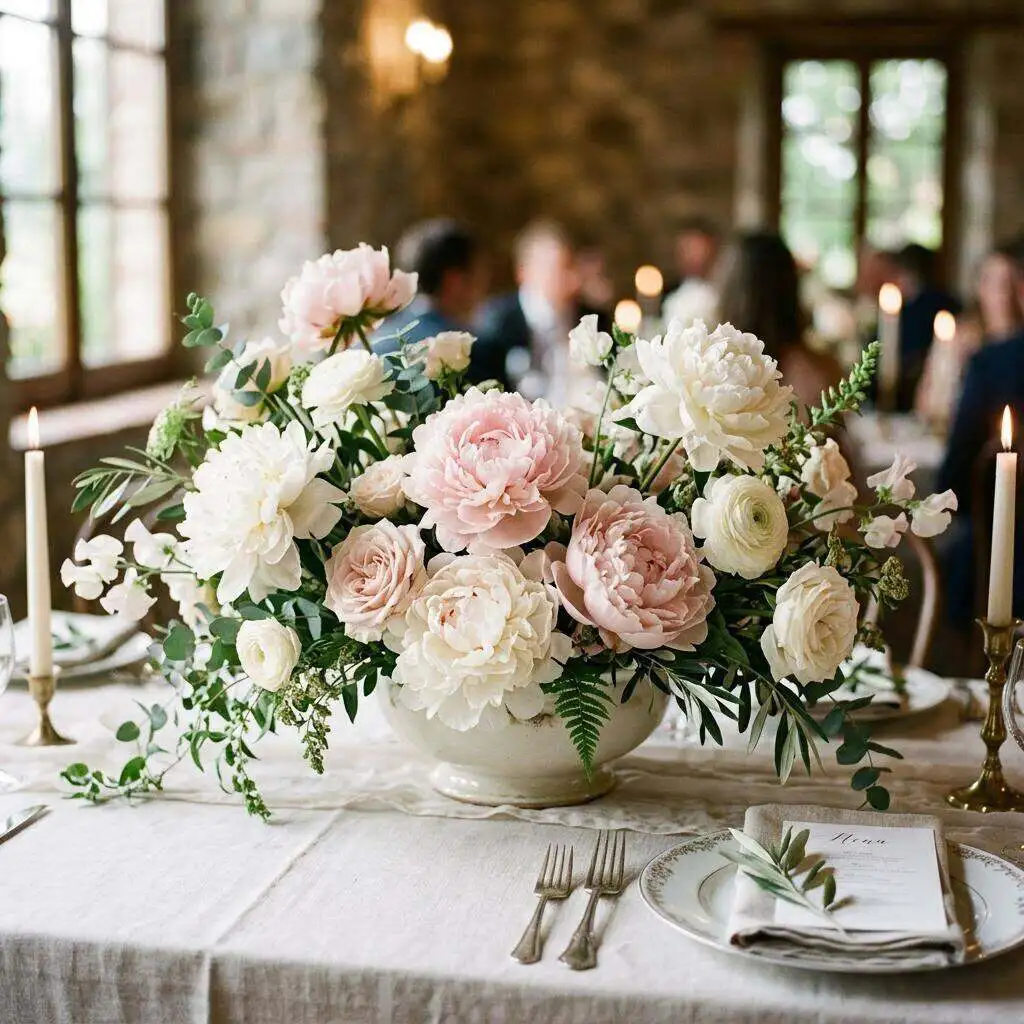
Vietnamese Wedding
Floral inspiration for Vietnamese weddings — tea ceremony and home altar conversations, banquet centerpieces, and colors chosen with family guidance.
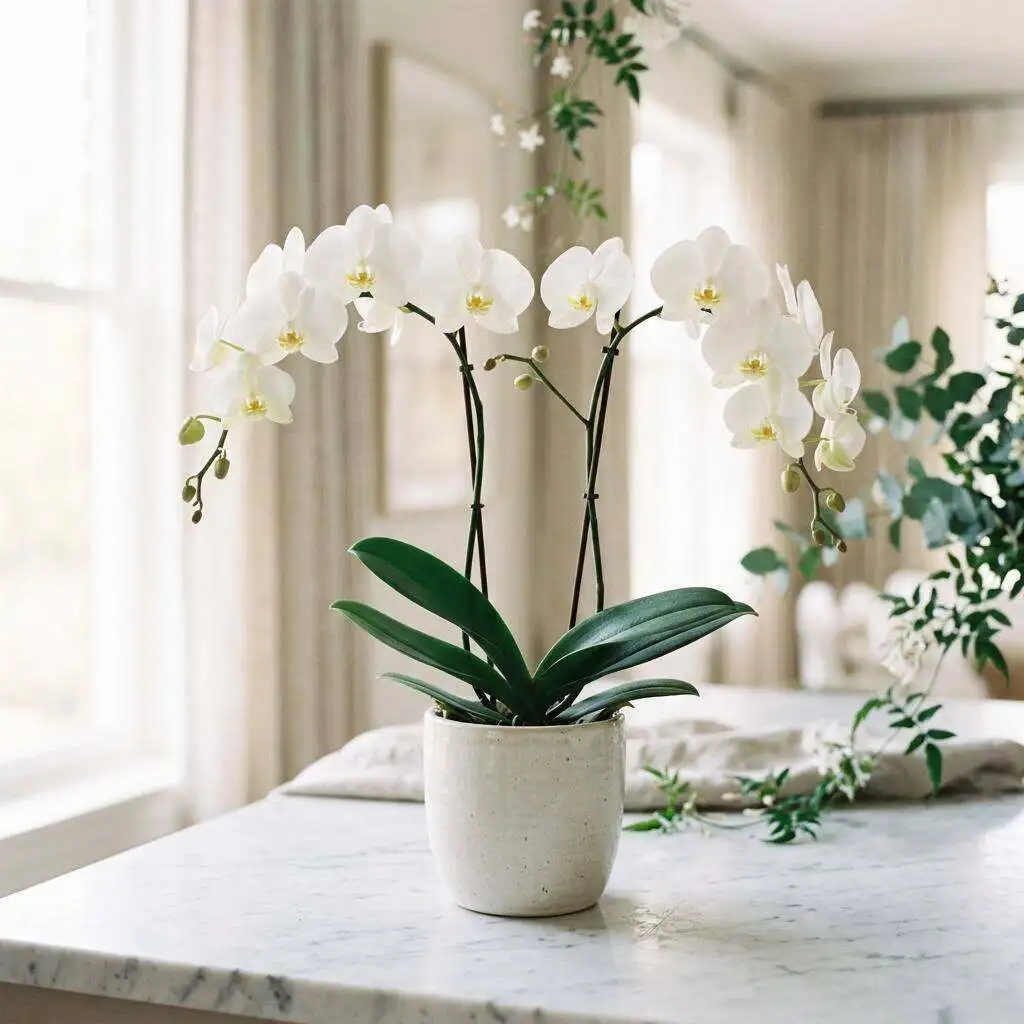
Korean Wedding
Floral inspiration for Korean weddings — modern ceremony designs, paebaek gathering flowers when families include one, and refined palette ideas.
From the Flower Knowledge Center
Plan the whole celebration
Step-by-step planning help for this occasion — timelines, ideas, and checklists.
Written by the Burton Floral Design editorial team, presented by Bentley Florist. Published July 22, 2026 · Last updated July 22, 2026.
© Burton Floral Design, presented by Bentley Florist. All rights reserved. This guide may be shared in its original, unmodified form with attribution and a working link to BurtonFloralDesign.com. Content may not be republished, resold, altered, or represented as another organization's work without written permission.