East and Southeast Asia hold many distinct nations, languages, and faiths, and the weddings that draw on that heritage look very different from one another. A Chinese banquet, a Korean ceremony with a paebaek gathering, a Filipino Catholic Mass, and a Vietnamese tea ceremony share a corner of the map and little else in the way of floral custom. This guide is a starting point rather than a single formula, and it points toward the more specific guides where they exist.
The details that shape flowers here run deep and personal: which events a couple hosts, whether a family observes a religious service, which colors carry warmth or caution in a household, and how much of the wedding blends heritage with a life built in Michigan. These choices vary by family, region, faith, and generation, and two couples with the same background may plan in ways that barely resemble each other.
At Bentley Florist, family-owned in Burton, Michigan since 1963, we treat this guide as an invitation to ask rather than a script to follow. We would rather learn which traditions matter to you than assume anything from a place of origin. What follows is practical planning for couples drawing on East or Southeast Asian heritage, with the family teaching us what the flowers should honor.
Overview
About This Celebration
Weddings across these communities can span more than one gathering. Some families host a tea ceremony where the couple serves elders, some hold a religious service, and many close the celebration with a banquet or reception. Each moment invites different flowers, and the couple decides which ones deserve emphasis. Because customs vary so widely between and within cultures, we ask rather than assume how a day will unfold.
Personal flowers often carry meaning at these weddings, especially when parents and grandparents are honored during a ceremony or seated with visible care at a banquet. Corsages, boutonnieres, and thoughtful table placement let a family recognize the people who matter without turning custom into spectacle.
Above all, this umbrella guide exists to help a conversation begin. When your heritage has its own detailed guide on this site, that page will speak with more specificity. Here, we focus on the questions and logistics that serve nearly any celebration drawing on East or Southeast Asian heritage in the Genesee County area.
Our starting point
Begin With the Family
Before we suggest a single stem, these are the questions we ask — because your family is the authority on your traditions.
- 01Which specific heritage or heritages does the wedding draw on, and would you like a design that centers one tradition, blends several, or leans contemporary?
- 02How many events are you planning, such as a tea ceremony, a religious service, a banquet, or a reception, and which ones would you like flowers to support?
- 03Are there colors your family reads as festive and welcome, and are there any you would prefer we set aside?
- 04Does anyone in the family hold a role that calls for personal flowers, such as parents, grandparents, or honored guests?
- 05Will any part of the day happen in a home, a place of worship, or a banquet hall, each of which shapes what we can install?
- 06Is there a family member or elder we should coordinate with directly on customs and timing?
Floral opportunities
Where Flowers Can Live
Tea ceremony setting
Some families host a tea ceremony where the couple serves elders. A low, uncrowded arrangement keeps sightlines clear and lets the moment lead.
Ceremony or altar flowers
If a religious or civil service is part of the day, ask what the officiant and site allow before designing the front-of-room florals.
Entrance and welcome table
A greeting arrangement sets a warm tone and can hold a guest book, seating cards, or a family photo display.
Couple's personal flowers
Bouquet and boutonniere styles can echo the palette the family favors, whether that is festive and saturated or soft and modern.
Parent and grandparent flowers
Corsages and boutonnieres let a family honor elders and hosts; confirm who should receive them and in what style.
Banquet or reception centerpieces
Round tables at a banquet hall suit centerpieces guests can see over; vary heights so conversation flows and the room still feels full.
Head table or sweetheart table
A fuller design anchors the couple's table and photographs well against a large banquet room backdrop.
Symbol or signage complement
If a family displays a meaningful character, sign, or emblem, flowers can frame and support it. The family brings the symbol and its meaning; we simply set it off.
Stage or backdrop
Larger banquet celebrations sometimes include a stage or photo backdrop that benefits from florals scaled to the room.
Palette
Color & Design Considerations
Color is where the most useful conversation happens, because meaning here belongs to the family rather than to any single rule. Some families read bright, saturated palettes as festive and celebratory, while others prefer soft, contemporary tones. We ask which direction feels right rather than assigning a color to a culture.
We also ask, gently, whether any colors feel better left aside. In some households certain tones carry associations a couple would rather avoid at a wedding, while in others there is no such concern at all. There is no universal answer, so a short, direct conversation keeps everyone comfortable.
Design style ranges just as widely. A couple may want lush and abundant arrangements for a large banquet, clean and architectural lines for a modern ceremony, or a natural, garden-gathered feel. Flowers can echo the textures and tones of clothing a family plans to wear, treating that clothing as inspiration rather than a rule to match exactly.
When flowers will sit near a meaningful character, emblem, or family object, we design to support it rather than to compete with or restyle it. The couple defines what that object means; our role is to frame it with care.
Bring these questions to your family conversation
- Which colors feel festive and welcoming to your family for a wedding?
- Are there any colors you would prefer we avoid entirely?
- Would you like the palette to lean bright and saturated, soft and modern, or somewhere in between?
- Are you drawing inspiration from clothing or fabric we should see photos of?
- Should the flowers look consistent across every event, or shift in tone from one gathering to the next?
- Do you prefer lush and full arrangements or clean and minimal designs?
- Are there flowers you especially love or would rather not include?
Planning around the calendar
Michigan Seasons & Your Venue
Spring
Michigan spring brings tulips, ranunculus, lilac, and early peonies. Cool mornings help delicate blooms hold; a late frost can shift local availability, so we keep backup varieties in mind.
Summer
Peonies open early summer, followed by garden roses, dahlias, and hydrangea at their peak. Heat and humidity stress soft petals, so we prep sturdy varieties and hydrate thoroughly for banquet-hall load-ins.
Fall
Autumn offers dahlias, chrysanthemums, and rich foliage in warm and deep tones. Cooler air helps arrangements last, which suits full centerpieces at large receptions.
Winter
Winter leans on greenhouse and imported roses, ranunculus, amaryllis, and orchids. We protect flowers from cold during transport and stage them indoors before guests arrive.
Many celebrations in our area move between settings across a single day, perhaps a home tea ceremony in the morning and a banquet hall in the evening. Each setting has its own rules and rhythms, so we confirm access times, load-in doors, and whether staff will help us place and remove arrangements.
Michigan weather shapes everything from June through October outdoor moments to deep-winter transport. In summer heat we choose resilient varieties and keep flowers cool until the last moment; in winter we shield stems from freezing air between the shop, the car, and the venue. Banquet halls are typically climate controlled, which helps arrangements last through a long evening.
When any portion of the day is outdoors, we plan for sun, wind, and quick temperature swings, and we talk through a backup for delicate designs. The goal is flowers that look as fresh at the last toast as they did at the first greeting.
Making choices with impact
Where Flowers Matter Most
Flowers carry the most impact where guests gather and pause. For a tea ceremony, a single well-placed arrangement matters more than filling the room, because the moment itself is the focus. For a banquet, the centerpieces and the couple's table shape how the whole space feels.
Repurposing stretches beauty across a multi-event day. A tea ceremony arrangement can often move to a welcome table, and ceremony pieces can travel to the reception entrance or head table. We plan these moves in advance so nothing looks stranded and nothing is wasted.
Scale is a lever worth using thoughtfully. A few tall, generous arrangements can define a large banquet room more effectively than many small ones spread thin. When a couple wants presence without excess, we concentrate flowers where the eye lands and let simpler touches carry the rest.
Personal flowers for the couple and honored family deserve steady attention, since they appear in nearly every photograph and mark the people at the heart of the day. We help decide where fullness reads and where restraint serves the celebration just as well.
Your family's traditions and preferences deserve to be heard. Share the details that matter to you, and Bentley Florist will help explore floral ideas that respectfully support your celebration.
Conversation guides
Questions Worth Asking
For your family
- Which specific heritage or heritages should the flowers honor?
- How many events are you hosting, and which ones would you like flowers to support?
- Will a tea ceremony be part of the celebration, and if so, where will it take place?
- Is a religious or civil ceremony included, and who is officiating?
- Which colors feel festive to your family, and are there any to avoid?
- Who in the family should receive personal flowers such as corsages or boutonnieres?
- Are there elders or hosts you would like recognized in a visible way?
- Will any meaningful character, emblem, or family object be displayed that flowers should complement?
- Are you drawing on clothing or fabric as inspiration for the palette?
- Would you like a consistent look across events, or a distinct feel for each?
- Is there a family member we should coordinate with directly on customs and timing?
- Are there flowers that hold special meaning for your family, or any you would rather not use?
For your venue or house of worship
- What time can we access the space to set up, and when does everything need to be removed?
- Are there restrictions on candles, open flame, or hanging installations?
- For a home tea ceremony, where will the ceremony be staged and how much space is available?
- At a banquet hall, what are the table sizes and shapes, and how many centerpieces are needed?
- Is there a stage, backdrop, or head table that calls for larger florals?
- Will venue staff help move arrangements between the ceremony and reception areas?
- Where can we store flowers before the event, and is the space climate controlled?
- Are there loading doors or timing windows we should plan around?
- For a religious service, what does the officiant or site permit near the altar or front of the room?
- Is there a coordinator we should sync with on setup timing?
Learn from experience
Planning Mistakes to Avoid
Blurring distinct cultures together
Treating East and Southeast Asian communities as one look erases real differences. We ask which specific heritage a couple honors and design from that answer rather than from a generic assumption.
Assuming colors from a place of origin
Color meaning belongs to a family, not a country. We ask which colors feel festive and which to avoid rather than assigning a palette based on background.
Overlooking multi-event logistics
A day with several gatherings needs a movement plan. Without one, flowers meant to travel can end up left behind or arriving late to the next setting.
Crowding a ceremony moment
For an intimate ceremony such as a tea service, too many flowers block sightlines and photos. Restraint often serves the moment better than abundance.
Missing the personal flowers list
Forgetting to confirm who receives corsages and boutonnieres can leave an honored parent or grandparent without a flower on a day meant to recognize them.
Keep track
Your Planning Checklist
Early planning
Design decisions
Logistics and venue
FAQ
Common Questions
Related resources
Keep Exploring
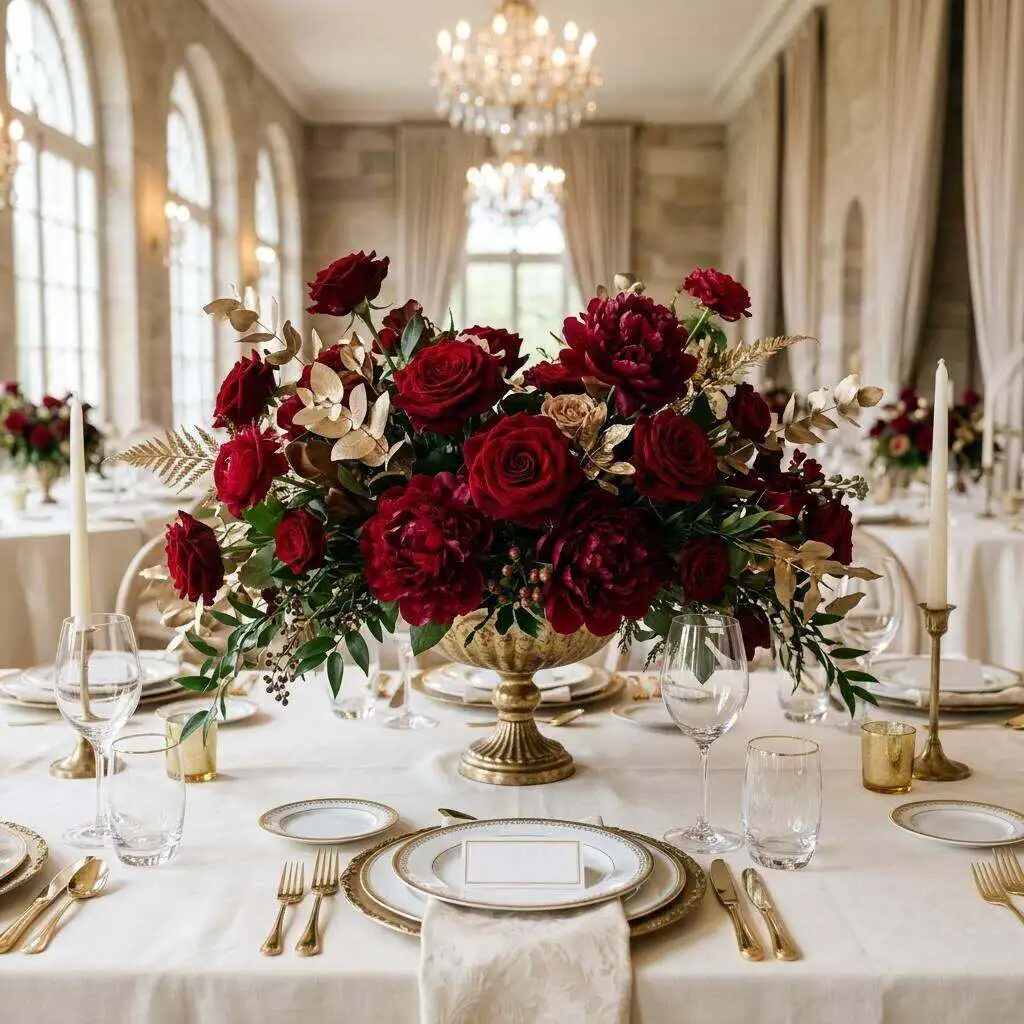
Chinese Wedding
Floral planning for Chinese weddings — tea ceremony settings, banquet flowers, color conversations to have with family, and multi-event coordination.
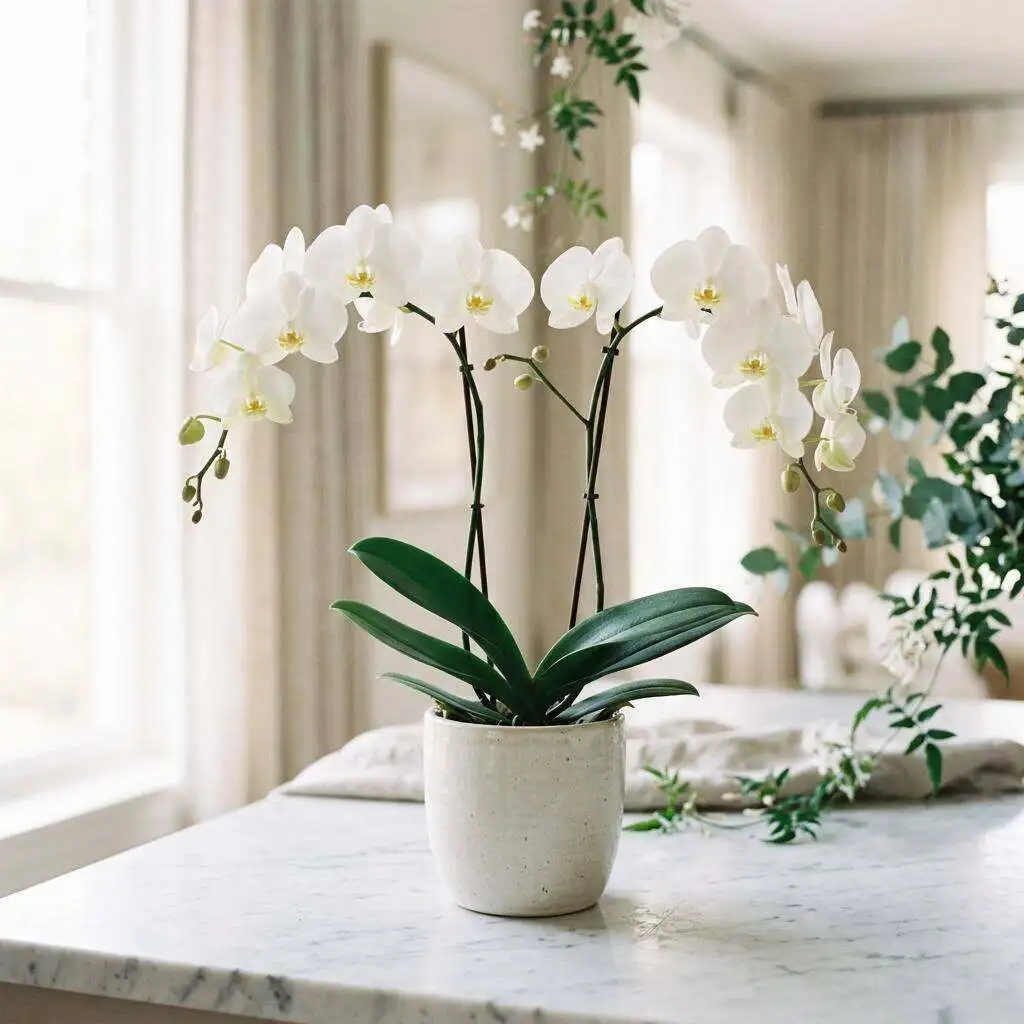
Korean Wedding
Floral inspiration for Korean weddings — modern ceremony designs, paebaek gathering flowers when families include one, and refined palette ideas.
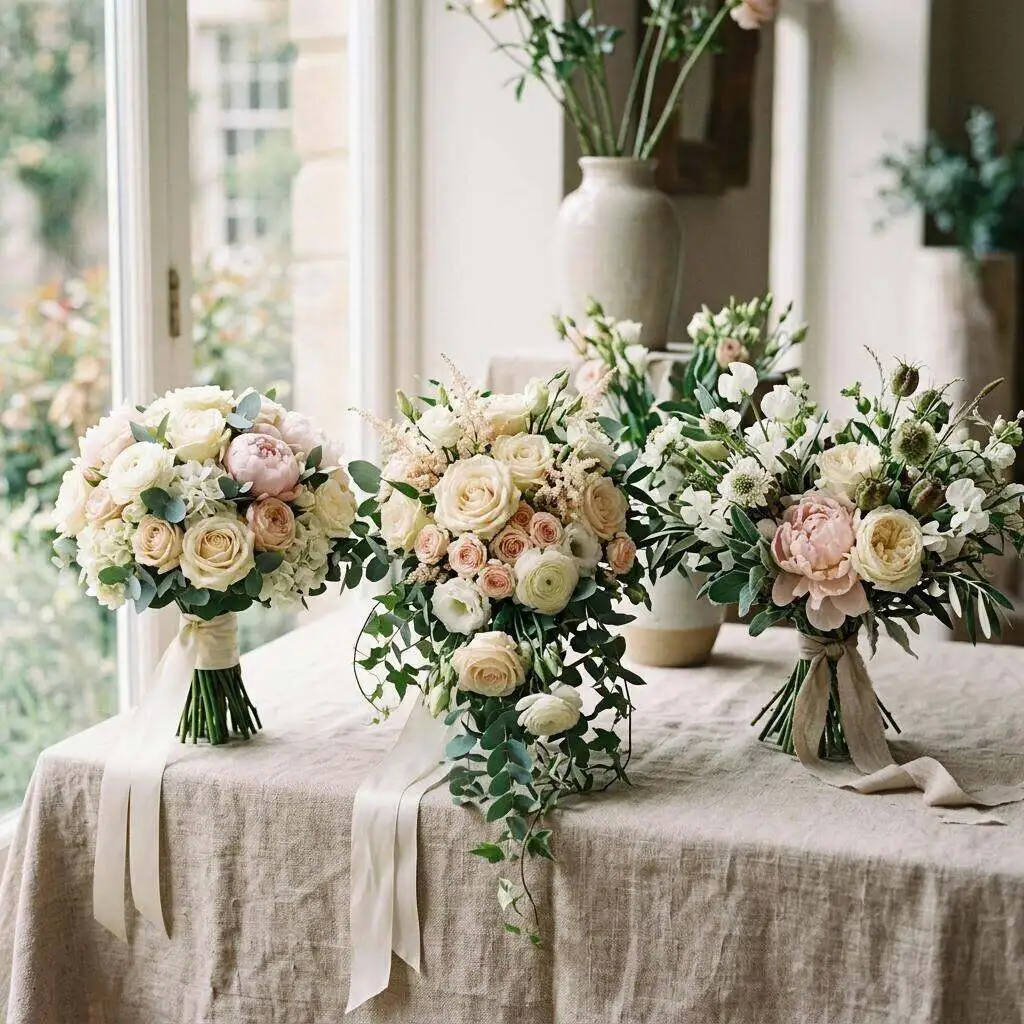
Filipino Wedding
Floral planning for Filipino weddings — church ceremony flowers, cord and veil moment settings, sponsors' personal flowers, and reception designs.
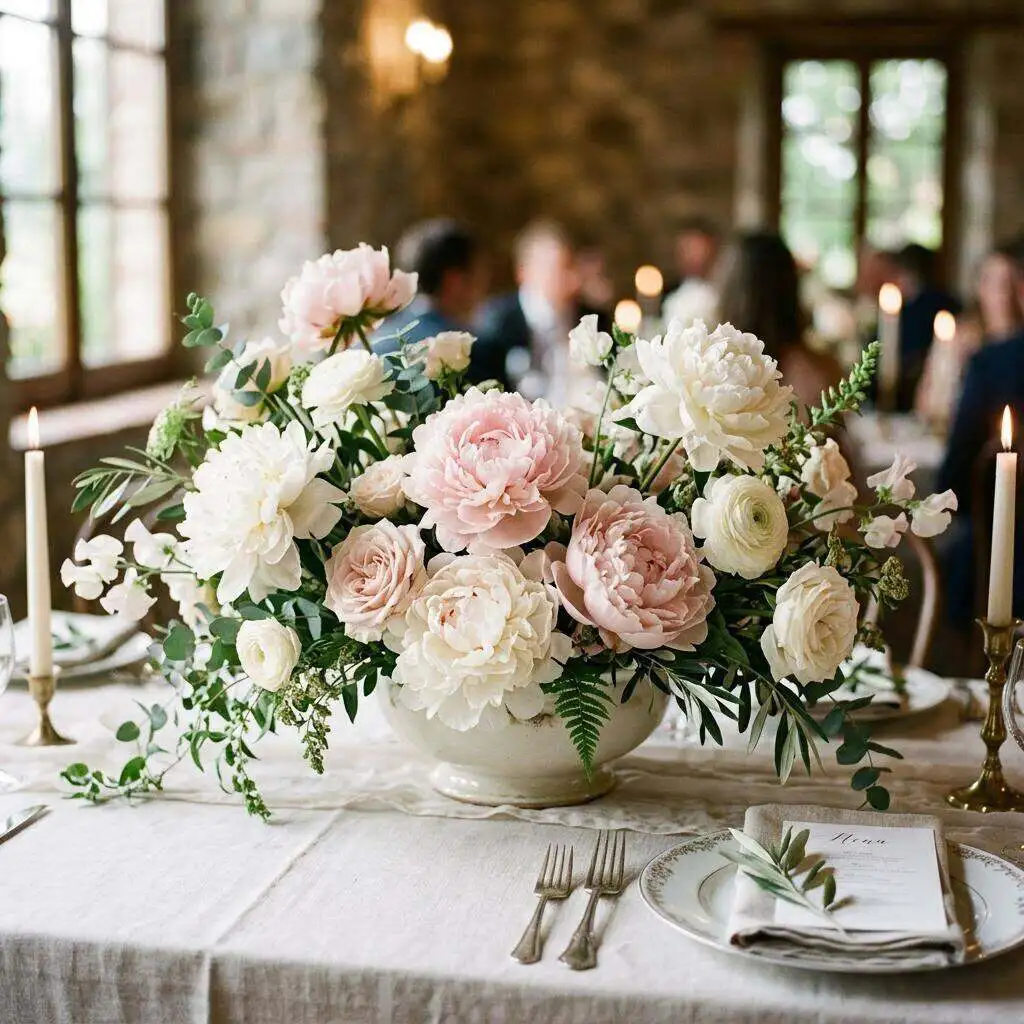
Vietnamese Wedding
Floral inspiration for Vietnamese weddings — tea ceremony and home altar conversations, banquet centerpieces, and colors chosen with family guidance.
From the Flower Knowledge Center
Plan the whole celebration
Step-by-step planning help for this occasion — timelines, ideas, and checklists.
Written by the Burton Floral Design editorial team, presented by Bentley Florist. Published July 22, 2026 · Last updated July 22, 2026.
© Burton Floral Design, presented by Bentley Florist. All rights reserved. This guide may be shared in its original, unmodified form with attribution and a working link to BurtonFloralDesign.com. Content may not be republished, resold, altered, or represented as another organization's work without written permission.