Muslim weddings are celebrated by families across many heritages, including Arab, South Asian, African American, West African, Turkish, Persian, and many personal blends of these. Because of that breadth, the shape of a wedding, the sequence of events, and the role flowers play can look very different from one household to the next. This guide is a starting point for conversation, not a script.
The word Muslim describes a faith, not a single culture or country of origin. Two families who share that faith may still plan very different celebrations, and details vary by family, region, generation, and how closely a household ties its wedding to religious observance. What one family considers essential, another may leave out entirely.
At Bentley Florist, a family-owned shop in Burton, Michigan since 1963, our approach is to listen first. Tell us which parts of your celebration matter most and what you would like the flowers to feel like, and we will help translate that into designs that support your day without overstating anyone's traditions.
Overview
About This Celebration
Many Muslim weddings center on two moments: the nikah, the marriage ceremony itself, and the walima, the celebration meal that follows. Some families hold both on a single day, while others spread them across an afternoon and an evening, or even separate days. Asking early how your timeline flows lets us plan flowers that move with the celebration rather than sitting idle.
For some families the reception is gender-separated, which can mean two gathering spaces that each deserve a welcoming focal design rather than one grand centerpiece in a single room. Other families host everyone together. Neither is more correct, and the right floral plan simply follows how your guests will actually experience the day.
Because customs vary so widely, we try not to assume. A henna night, a signing table, a stage or head-table backdrop, and gifts for elders may all be part of the picture, or only some of them. Once we understand your events, we can suggest where flowers add warmth and where restraint is the more respectful choice.
Our starting point
Begin With the Family
Before we suggest a single stem, these are the questions we ask — because your family is the authority on your traditions.
- 01Which events are part of your celebration, and are the nikah and walima on the same day or spread across days?
- 02Will any part of the celebration take place in a mosque or prayer space, where floral decor may be limited or unwelcome?
- 03Is the reception gender-separated, held in a shared space, or a mix, and does that change where the focal flowers should go?
- 04Are there photography or modesty preferences we should keep in mind when planning personal flowers or backdrops?
- 05Are there colors, blooms, or scents that hold special meaning for your family, or any you would prefer we avoid?
- 06Who are the honored family members who may want personal flowers, and how would you like them recognized?
Floral opportunities
Where Flowers Can Live
Nikah signing table
A low, elegant arrangement framing the space where the marriage is recorded, kept modest if the setting is a prayer space.
Ceremony seating for the couple
Soft framing behind or beside the couple's seats, scaled to the venue and to any photography preferences.
Reception stage or head table
The visual anchor of a walima, from a full backdrop to a grouping of taller arrangements, depending on scale.
Guest tables
Low centerpieces that keep conversation and food easy, or a mix of low and raised pieces across a large hall.
Entrance and welcome area
A greeting arrangement or pair of pieces that sets the tone as guests arrive and gather.
Second gathering space
For gender-separated receptions, a coordinating focal design so each room feels equally cared for.
Personal flowers for the couple
A bouquet, wristlet, or coordinated florals kept in step with the couple's dress and comfort.
Honored family members
Corsages, boutonnieres, or small bouquets recognizing parents, grandparents, and others the family names.
Sweet or dessert table
Light floral touches near a cake or mithai display, kept clear of food service.
Gift and favor table
A small arrangement that dresses the area where guests leave gifts or collect favors.
Palette
Color & Design Considerations
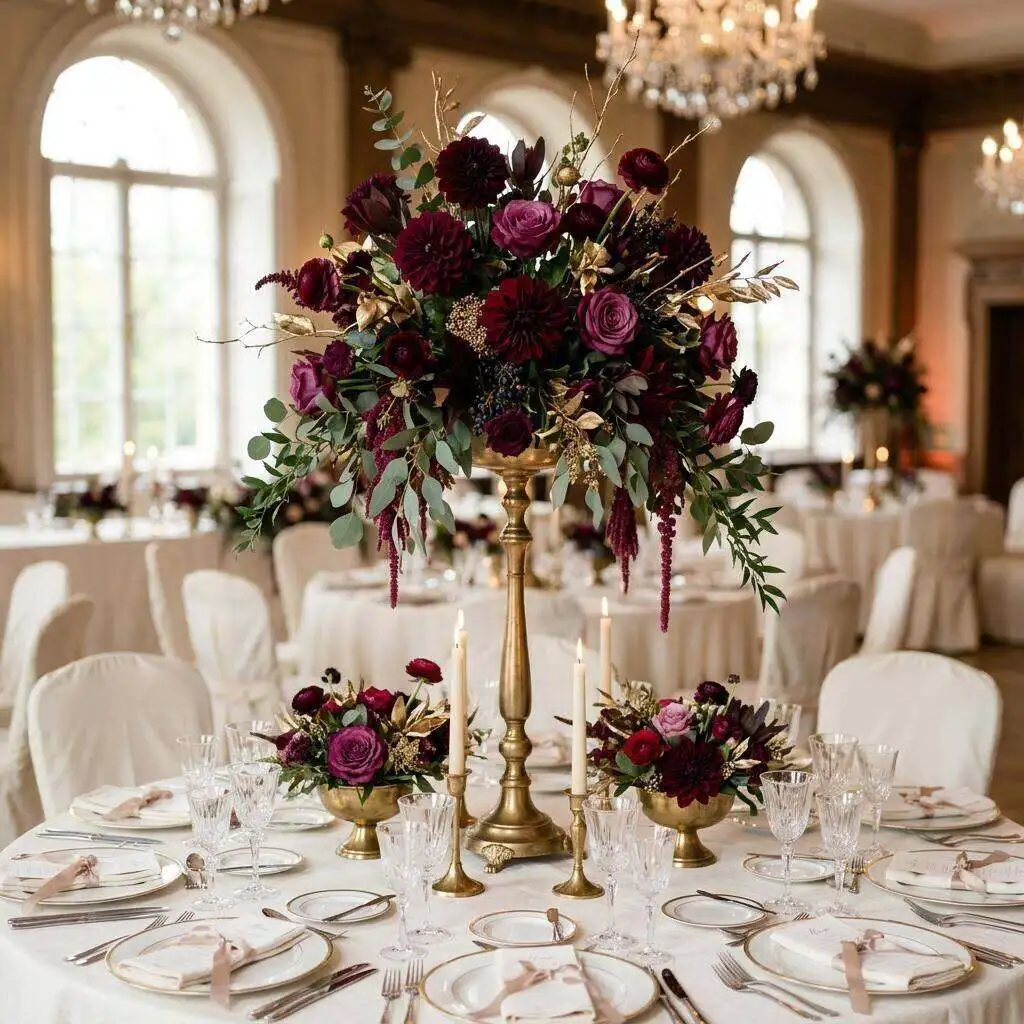
Color choices in Muslim weddings are as varied as the families themselves. Some couples lean toward soft ivories and blush, others toward rich jewel tones, gold accents, or bold contemporary palettes. We treat color as a personal and family decision rather than something dictated by tradition, and we ask rather than assume.
When a celebration spans several events, a shared thread of color or a repeated bloom can tie a henna night, nikah, and walima together while still letting each moment have its own feeling. A brighter, more festive palette on one night can soften into something more formal for another, using the same flower family so nothing feels disconnected.
Scale and placement often matter more than any single hue. In a large hall, a mix of grounded low centerpieces and a few taller statement pieces reads as generous without crowding tables. In an intimate room, one considered focal design can carry the whole space. We shape the design around sightlines, seating, and how guests will move.
If photography and modesty preferences shape the day, we factor them into design too. Backdrops can be built to flatter portraits, and personal flowers can be sized so they complement rather than compete with the couple's attire. The goal is flowers that support the images and the atmosphere the family wants.
Bring these questions to your family conversation
- Are there colors your family especially loves for a wedding, or associates with joy and celebration?
- Are there any colors you would prefer we steer away from?
- Do you want a single palette across all your events, or a distinct look for each?
- Would you like gold, silver, or other metallic accents woven into the arrangements?
- Should the flowers echo the couple's attire, the venue's colors, or stand on their own?
- Do you prefer a soft and romantic feeling, a bold and vibrant one, or something modern and pared back?
- Are there favorite flowers from your family or heritage you would like us to include if the season allows?
Planning around the calendar
Michigan Seasons & Your Venue
Spring
Michigan spring brings tulips, ranunculus, sweet peas, and early peonies. Peony timing shifts year to year, so we confirm availability close to your date and hold graceful alternatives ready.
Summer
Peak local growing season offers garden roses, dahlias, and abundant greenery. Summer heat and humidity are the main concern, so we prep and hydrate personal flowers late and keep them cool until they are needed.
Fall
Autumn supports dahlias, chrysanthemums, and warm-toned blooms alongside rich foliage. Early frost can end local dahlia supply, so we plan a backup palette when a date sits late in the season.
Winter
Winter leans on greenhouse roses, ranunculus, amaryllis, and evergreens. Cold transport is the risk here, so arrangements are wrapped and staged carefully between the shop, the vehicle, and a heated venue.
Muslim weddings in and around Genesee County happen in mosques, banquet halls, hotels, community centers, and family homes. Each setting changes what flowers make sense. A hall gives room for a stage design and many tables, while a home celebration usually calls for a few well-placed pieces that dress the key gathering spots.
If any portion takes place in a prayer space, our posture is to ask the imam or mosque coordinator first about whether floral decor is welcome and, if so, in what form. Many prayer areas prefer little or no decoration, and we would rather plan around that respectfully than assume. We never suggest religious objects or symbols as decor.
Michigan weather also shapes logistics. Summer heat asks for late delivery and shaded staging so personal flowers stay crisp, while winter cold means careful wrapping and warm handoff points. For any outdoor portion, we build in wind and sun resilience and keep hardier blooms where the elements are strongest.
Making choices with impact
Where Flowers Matter Most
Flowers make the strongest impression where guests gather and pause. The reception stage or head table is usually where a walima earns the most from a focal design, because it anchors the room and appears in nearly every photograph. Concentrating attention there often does more than spreading flowers thinly everywhere.
The entrance is the second place where a little goes a long way. A welcoming arrangement as guests arrive shapes their first impression before they reach their seats. From there, guest tables can range from simple low centerpieces to fuller designs, and the mix can flex to match the scale of the celebration.
Reuse is a natural way to stretch impact across a multi-event day. Arrangements from a nikah can often move to the walima, and pieces from an earlier space can be repositioned as guests transition. When the same room hosts more than one moment, we plan flowers that carry over cleanly.
For gender-separated receptions, thinking of two coordinated focal points rather than one oversized centerpiece keeps both spaces feeling equally hosted. Scale is the lever we adjust most: fuller where guests gather, lighter where they simply pass through.
Your family's traditions and preferences deserve to be heard. Share the details that matter to you, and Bentley Florist will help explore floral ideas that respectfully support your celebration.
Conversation guides
Questions Worth Asking
For your family
- Which events make up your celebration, and how are they spaced across the day or across several days?
- Will the nikah and walima share a venue, or take place in separate settings?
- Is any part of the day held in a mosque or prayer space with its own guidance about decor?
- Is the reception gender-separated, shared, or a combination, and how does that shape the room plan?
- Are there photography or modesty preferences that should guide backdrops and personal flowers?
- Which family members would you like recognized with personal flowers, and how?
- Are there flowers, colors, or scents that carry meaning for your family?
- Are there any blooms or colors you would prefer we avoid?
- Would you like a consistent look across all events, or a distinct feeling for each?
- Do you have a favorite flower from your heritage you hope to include?
- How many guests and tables should we plan for, and are there VIP or family tables to feature?
- Who will handle moving or repurposing arrangements between events, and when?
For your venue or house of worship
- Does the venue or mosque allow floral decor, and are there any restrictions on placement or scale?
- For a prayer space, should we speak with the imam or a coordinator before proposing any flowers?
- What time can we access the space to set up, and when must everything be cleared?
- Are open flames or candles permitted, or should we plan flameless alternatives?
- Are there height or size limits for stage, head-table, or centerpiece arrangements?
- Will the same room host more than one event, and if so, how long between them?
- For a gender-separated reception, are there two spaces that each need a focal design?
- Is there a loading area, elevator, or path we should know about for delivery?
- Will other vendors need coordination around our setup and teardown windows?
- Who is our on-site contact on the day of the celebration?
Learn from experience
Planning Mistakes to Avoid
Assuming one format fits each family
Treating one Muslim wedding as identical to the next leads to designs that miss the mark. We confirm the actual events, sequence, and setting before proposing anything.
Overlooking prayer-space guidance
Bringing decor into a mosque or prayer area without asking first can be uncomfortable. Confirming what is welcome, and with whom, comes before design.
Planning one focal point for a split reception
When a reception is gender-separated, a single grand centerpiece leaves one space underdressed. Two coordinated focal designs keep both rooms feeling hosted.
Ignoring the multi-event timeline
Flowers built for one moment can sit unused if the day spans several events. Planning for reuse and repositioning keeps every stage looking cared for.
Sizing personal flowers without asking about attire
A bouquet or wristlet that competes with the couple's dress can throw off photos. We coordinate scale and style around the attire and comfort of the wearer.
Keep track
Your Planning Checklist
Early planning
Design decisions
Venue coordination
FAQ
Common Questions
Related resources
Keep Exploring
Nikah
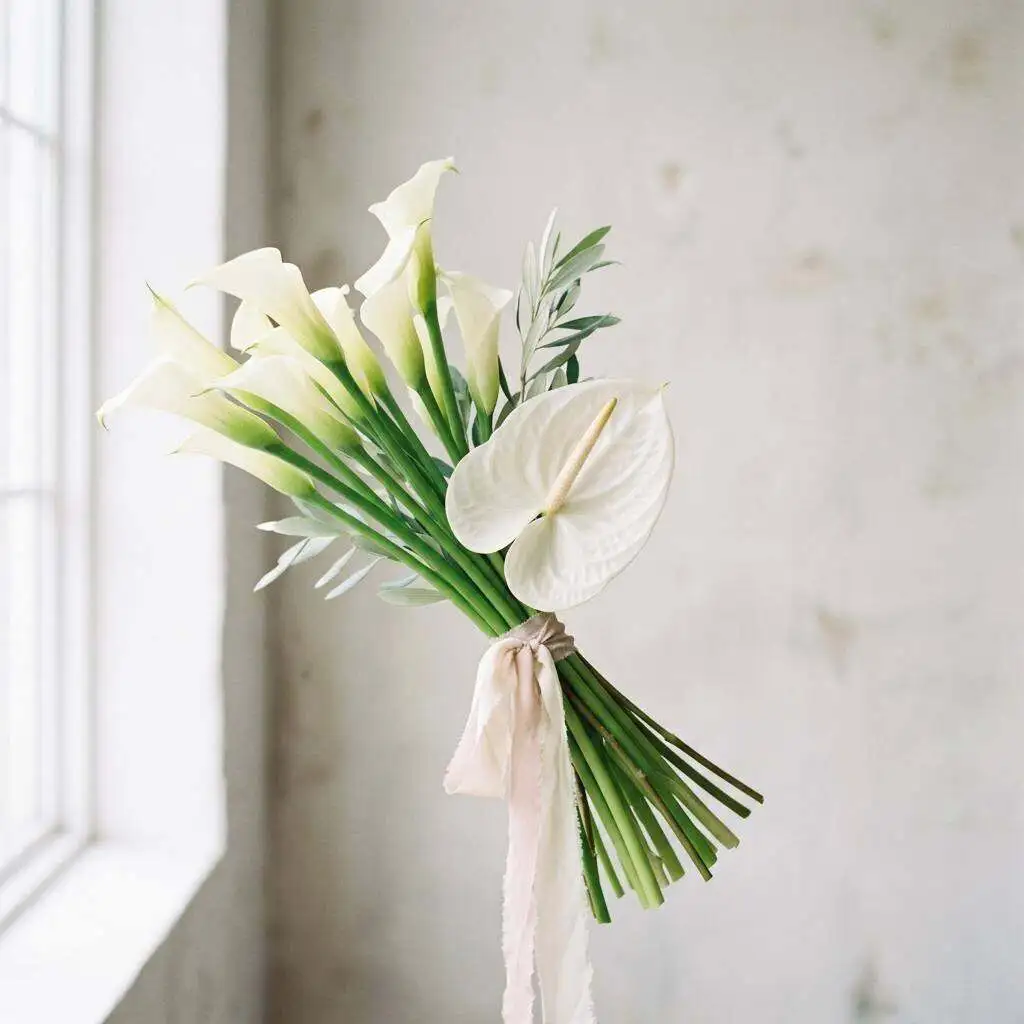
Gentle floral ideas for a nikah ceremony — simple signing-table arrangements, personal flowers, and questions to ask the family and officiant beforehand.
Walima
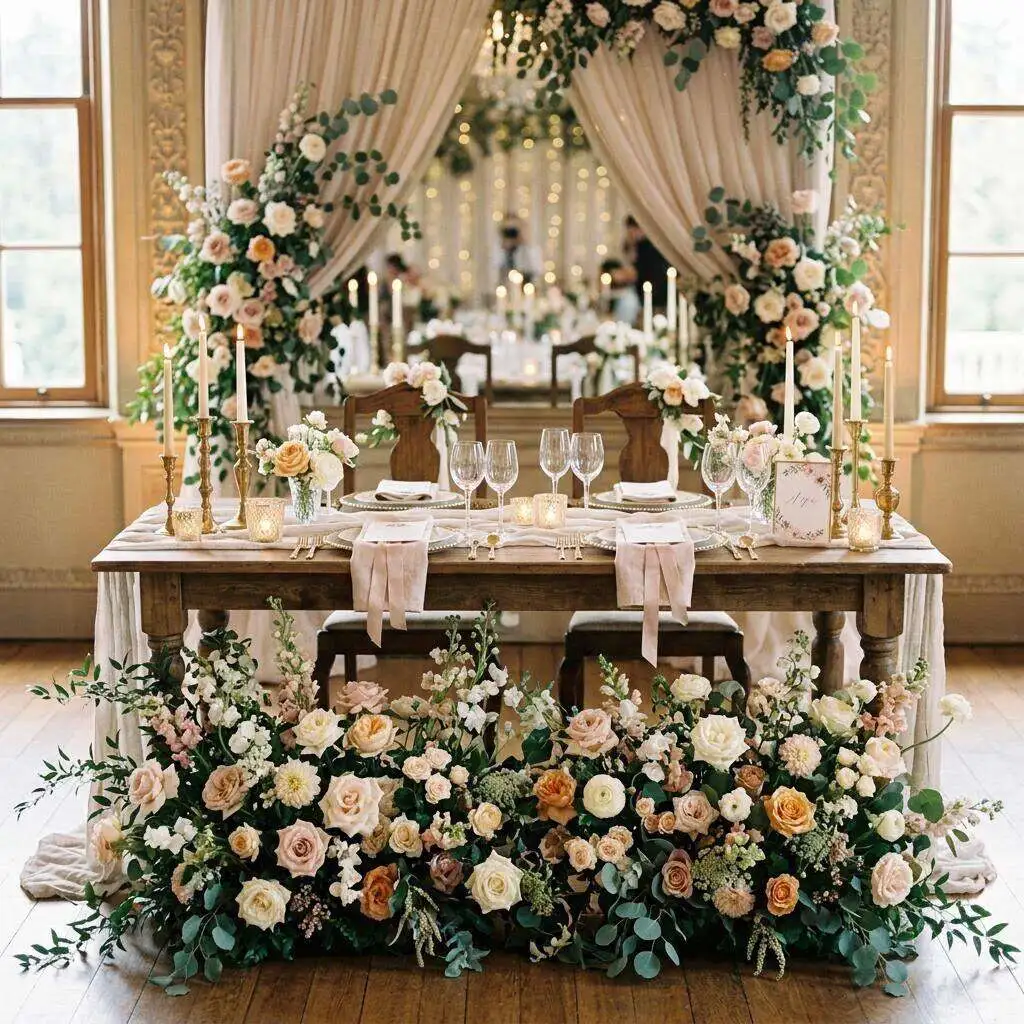
Reception-focused floral planning for a walima — head table and stage designs, guest table ideas, and family questions that shape the right look.
Henna Night
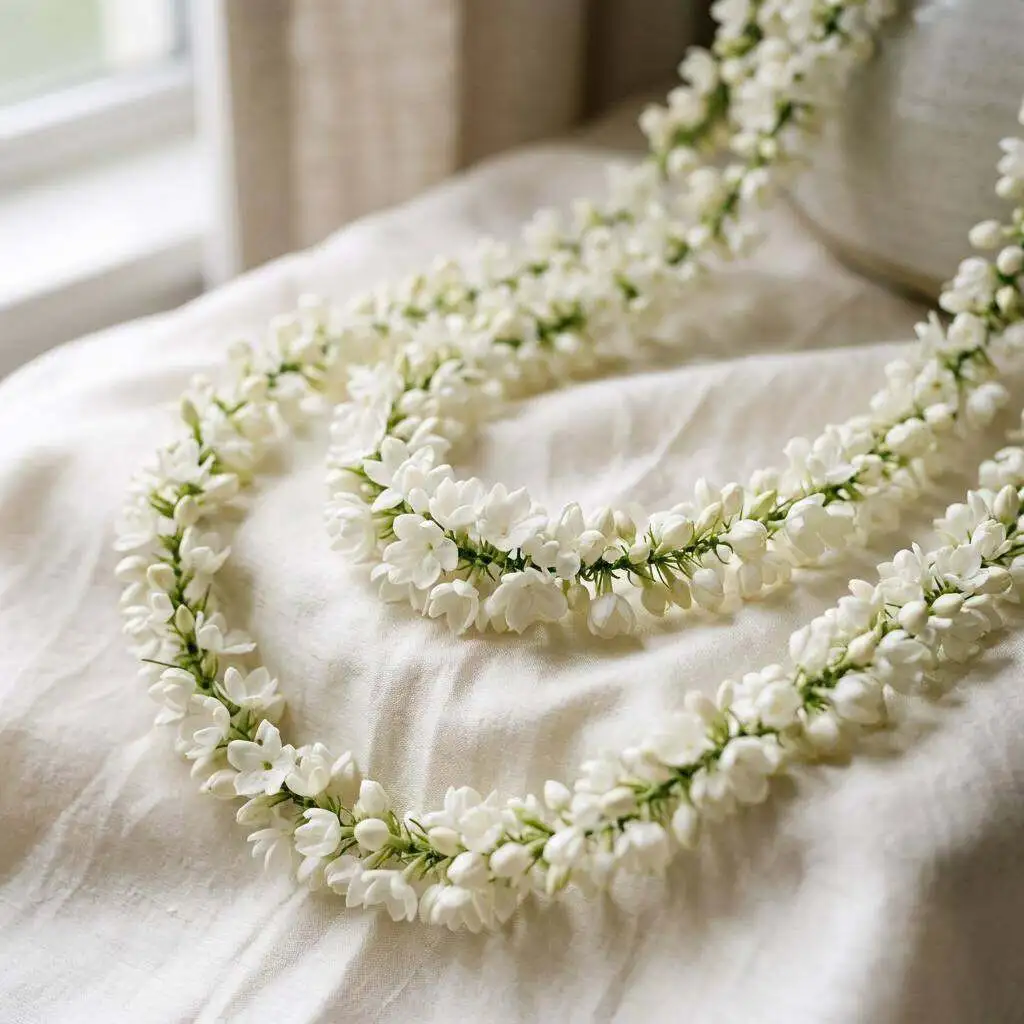
Festive, family-centered floral ideas for henna nights and pre-wedding parties, with planning prompts that respect how your family celebrates.
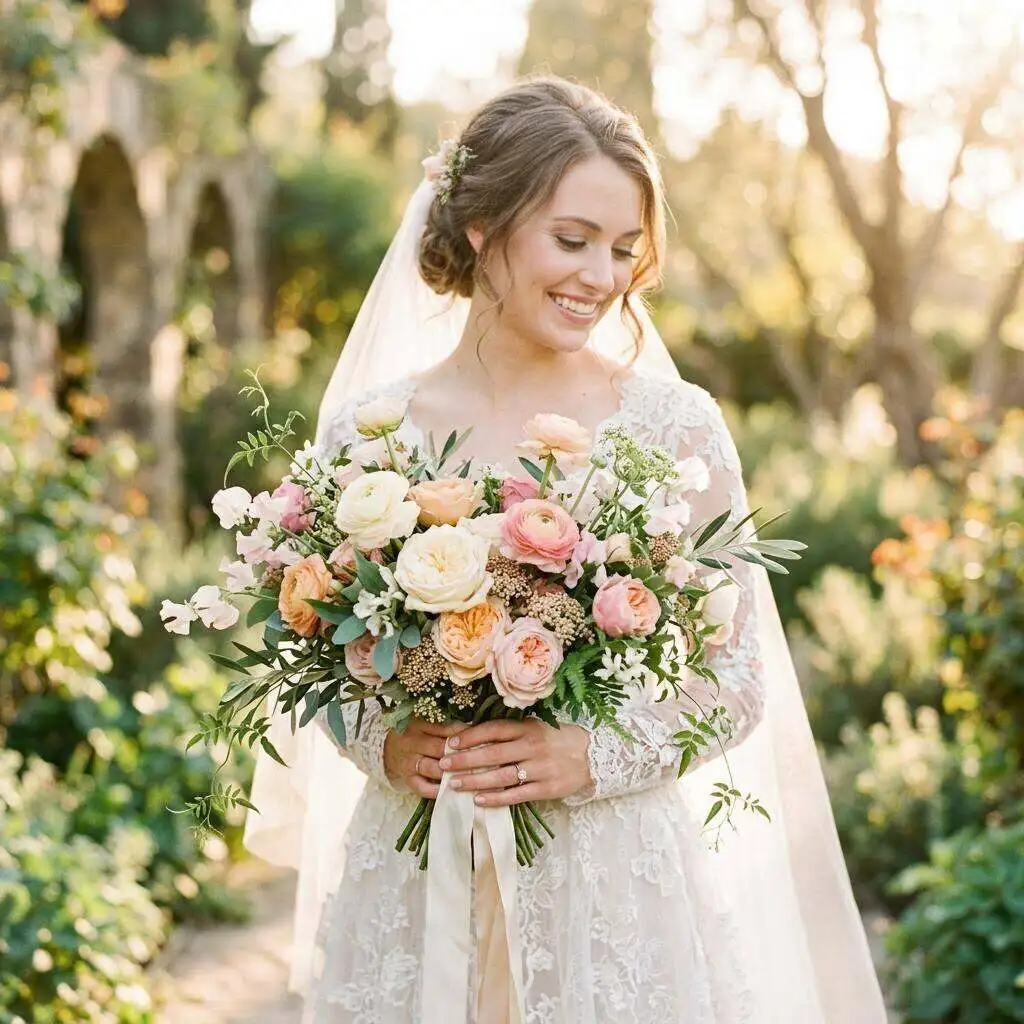
South Asian Wedding
A broad planning guide for South Asian weddings — coordinating flowers across several events, blending family expectations, and budgeting attention wisely.
From the Flower Knowledge Center
Plan the whole celebration
Step-by-step planning help for this occasion — timelines, ideas, and checklists.
Written by the Burton Floral Design editorial team, presented by Bentley Florist. Published July 22, 2026 · Last updated July 22, 2026.
© Burton Floral Design, presented by Bentley Florist. All rights reserved. This guide may be shared in its original, unmodified form with attribution and a working link to BurtonFloralDesign.com. Content may not be republished, resold, altered, or represented as another organization's work without written permission.