Wedding flowers in Burton, MI are trending toward highly personal, nature-forward, and thoughtfully designed arrangements that feel both intentional and effortless. Couples are moving away from cookie-cutter bouquets and leaning into custom color palettes, locally inspired blooms, artistic installations, and sustainable choices that reflect their story.
Below is an in-depth look at the top trends in floral arrangements for weddings in Burton, MI, along with practical tips to help you work effectively with a professional florist like Burton Floral Group.
1. Personalized, Bespoke Floral Design
Personalization is the defining trend in modern wedding florals. Rather than choosing a standard “package,” couples in Burton are working closely with florists to create designs that feel uniquely their own.
Building a Story-Driven Floral Plan
Instead of starting with a generic bouquet style, many couples now begin with their story:
- Meaningful flowers – Choosing varieties that reference family traditions, heritage, or personal memories (for example, using the same flower a parent carried or a bloom from a favorite vacation destination when possible and seasonally appropriate).
- Symbolic colors – Designing around colors that have emotional significance, such as a partner’s favorite hue or a shade that matches an heirloom piece of jewelry.
- Shared interests – Incorporating subtle nods to hobbies or themes (rustic outdoor adventures, classic romance, modern minimalism, etc.) through texture, foliage choice, and arrangement style.
A bespoke floral plan often covers:
- Bridal bouquet and bridesmaids’ bouquets
- Boutonnieres and corsages
- Ceremony arch or backdrop
- Aisle décor and pew markers
- Reception centerpieces and sweetheart table décor
- Cake flowers and dessert table accents
- Bar, welcome table, and guestbook florals
Collaborative Design Sessions
One of the most effective ways to achieve a personalized look is through a design consultation. When you meet with a local florist in Burton, consider bringing:
- Inspiration photos or a Pinterest board
- Fabric swatches from dresses or suits
- Notes about your venue’s style and color scheme
- Any non-floral décor you already know you’ll be using
A skilled florist translates these into a cohesive floral plan that feels custom without necessarily requiring an unlimited budget.
2. Sustainability and Seasonality in Burton, MI
Eco-conscious weddings continue to grow in popularity, and florals are at the heart of that shift. Couples are paying closer attention to where their flowers come from and how arrangements are constructed.
Choosing Seasonal and Local Blooms
Seasonal flowers are typically fresher and often more cost-effective than imported, out-of-season varieties. While specific availability depends on weather and suppliers, couples in Burton can generally expect:
- Spring weddings (March–May)
- Delicate blooms like tulips, ranunculus, anemones, stock, and sweet peas
- Fresh greenery and blossoming branches for airy, romantic arrangements
- Summer weddings (June–August)
- Lush choices such as peonies (early summer), roses, dahlias, zinnias, delphinium, and sunflowers
- Vibrant color options for bold palettes
- Fall weddings (September–November)
- Rich-toned dahlias, mums, roses, and seasonal foliage
- Textural elements like berries, seed pods, and dried grasses
- Winter weddings (December–February)
- Evergreens, pine, eucalyptus, amaryllis, and winter berries
- White and deep jewel-toned flowers paired with rich greenery
A local florist can guide you toward in-season blooms and, when possible, varieties that can be sourced from regional growers to reduce transport and maximize freshness.
Eco-Conscious Design Practices
Sustainable floral design often includes:
- Minimal floral foam – Exploring mechanics like reusable vessels, chicken wire, and grid techniques instead of single-use foam when design and venue allow.
- Reusable containers – Opting for vases, urns, compotes, and candleholders that can be reused by the couple or rented rather than discarded.
- Repurposed arrangements – Moving ceremony arrangements to the reception (e.g., reusing arch flowers behind the sweetheart table or at the cake table), which reduces waste and maximizes impact.
- Thoughtful stem count – Focusing on fewer, higher-impact arrangements rather than excessive quantities of smaller pieces.
Discuss sustainability priorities with your florist early so they can design with these considerations in mind.
3. Color Palettes and Themes Leading the Way
Color choice is one of the most visible aspects of wedding florals. In Burton, couples are gravitating toward both understated, timeless palettes and bolder, editorial-inspired schemes.
Soft, Romantic, and Neutral Palettes
Soft pastels and neutral hues remain extremely popular because they:
- Work well with most venues, from rustic barns to classic ballrooms
- Complement a wide variety of dress colors
- Photograph beautifully in both indoor and outdoor light
Common color combinations include:
- Blush, ivory, and champagne – A classic romantic trio
- Dusty blue, soft gray, and white – A gentle, cool-toned palette
- Cream, beige, and muted peach – A warm, understated combination
These palettes often feature roses, spray roses, ranunculus, lisianthus, and airy greenery like eucalyptus.
Bold and Jewel-Tone Statement Palettes
For couples wanting drama and impact—especially for evening receptions—vibrant jewel tones are trending:
- Deep reds and burgundy for a rich, romantic look
- Emerald greens in foliage and accent blooms
- Sapphire and navy accents in ribbons, candles, or select blossoms
These colors pair well with darker linens, gold or brass candleholders, and moody lighting. Flowers might include dahlias, garden roses, anemones, and darker-toned foliage.
Monochromatic and Tone-on-Tone Designs
Another rising trend is monochromatic or tone-on-tone floral design—using one color family in varying shades and textures. For example:
- All whites and creams, but with different flower types and shapes
- All pinks, ranging from pale blush to deeper rose tones
- All green and white for an ultra-fresh, botanical vibe
This approach creates visual depth and sophistication without feeling busy.
4. Trending Bouquet Styles for Burton Brides
The bridal bouquet is often the focal point of a wedding floral plan. Current trends balance natural movement with polished design.
Garden-Style and Organic Bouquets
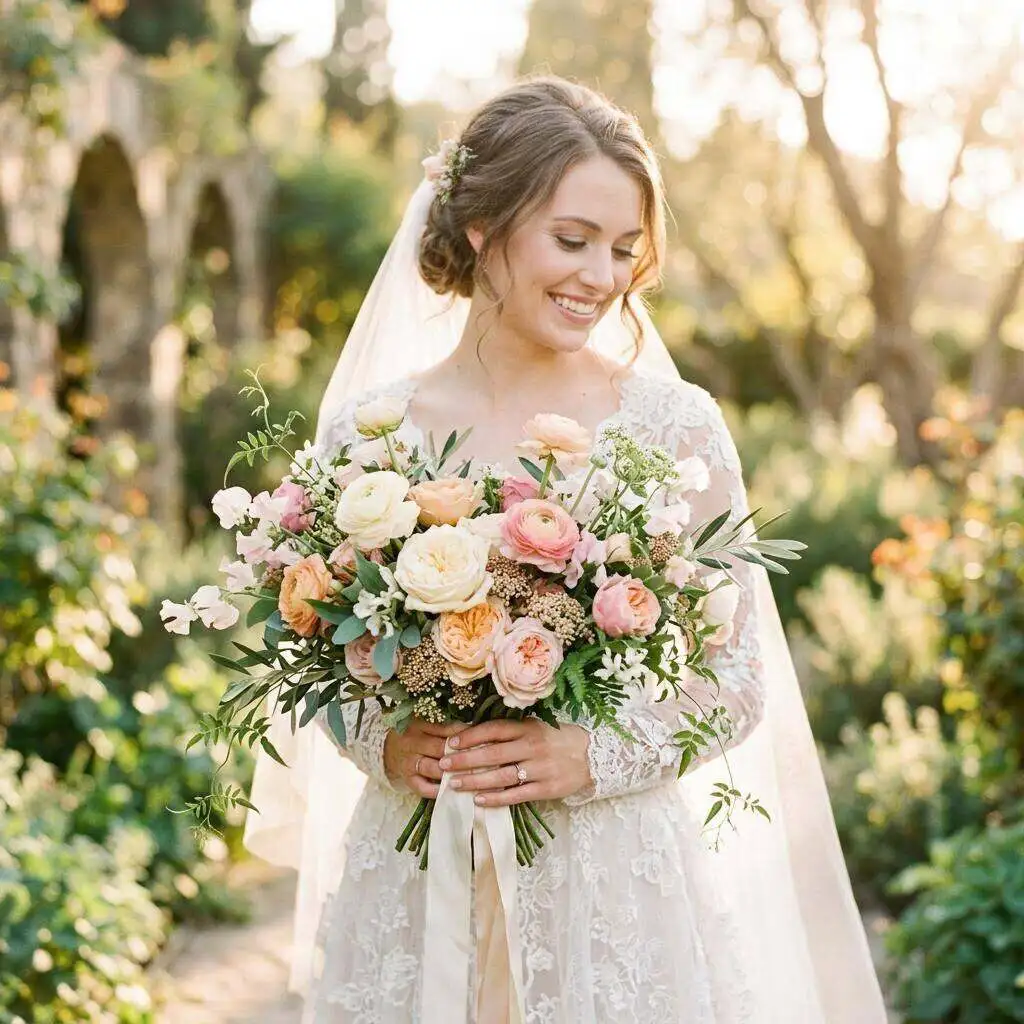
Loose, garden-inspired bouquets that look like they were gathered from a luxurious cutting garden are very popular. Key characteristics:
- Varied bloom sizes and textures
- Asymmetrical shapes with gentle cascading greenery
- Mix of focal flowers, filler flowers, and airy accents
These bouquets pair especially well with outdoor ceremonies, barn venues, and romantic, flowing gowns.
Classic Round Bouquets with a Modern Twist
Perfectly round bouquets never fully go out of style, but they’re being updated with:
- Slightly relaxed edges rather than tight domes
- Mixed foliage for texture and shape
- Ribbon tails or silk streamers for added movement
This style suits more formal venues, ballgown silhouettes, or brides who favor a clean, timeless look.
Smaller, Refined Bouquets
Some brides and bridesmaids are opting for slightly smaller bouquets, focusing on:
- Fewer stem types but high-quality focal blooms
- Clean color palettes
- Comfort and ease of carrying throughout a long day
Smaller bouquets are often balanced with statement ceremony florals or more elaborate reception arrangements.
5. Ceremony Floral Trends in Burton, MI
The ceremony is the emotional centerpiece of the day, and floral design is shifting toward impactful yet flexible installations.
Statement Arches and Backdrops
Arches and backdrops frame the couple and create beautiful photo opportunities. Popular versions include:
- Full floral arches with lush blooms and greenery
- Asymmetrical installations that are fuller on one side for a modern, artistic feel
- Ground arrangements that create a floral “meadow” at the altar, ideal for venues that don’t allow hanging or permanent fixtures
These pieces can often be repurposed later at the reception behind the sweetheart table or near the cake.
Aisle Décor That Feels Intentional
Trends in aisle décor lean toward simple but impactful options:
- Clusters of flowers and greenery at the ends of rows or pews
- Low floor arrangements lining the aisle to create a natural pathway
- Petals scattered down the center for a soft, romantic effect
Couples often combine aisle décor with candles or lanterns to add warmth.
6. Reception Floral Design: From Centerpieces to Ceiling
Reception spaces in Burton are being transformed with thoughtful floral design that considers height, dimension, and guest experience.
Elevated and Low Centerpiece Combinations
A mix of tall and low arrangements adds visual interest and enhances the atmosphere without blocking conversation. Current trends include:
- Tall centerpieces on stands or clear vases, keeping flowers above eye level
- Low compote arrangements that sit just above the table and encourage conversation
- Bud vase clusters for intimate tables, featuring a few stems per vase in varying heights
This layered approach creates a dynamic look across the room.
Hanging Installations and Flower Clouds
Hanging florals are increasingly popular because they:
- Draw the eye upward and transform the room
- Preserve table space for place settings, candles, and food
- Create a sense of luxury and intimacy, especially over the dance floor or head table
These can range from greenery-heavy installations with a few focal flowers to dense “flower clouds” full of blooms.
Floral Details at Key Reception Spots
Rather than covering every surface in flowers, couples are focusing on high-impact locations:
- Sweetheart or head table
- Cake or dessert table
- Welcome or escort card table
- Bar area and photo backdrop
Strategic placement allows for memorable visuals while keeping the budget balanced.
7. Texture, Foliage, and Non-Floral Elements
Texture adds interest to arrangements and reflects natural beauty.
Lush Greenery and Foliage
Greenery is no longer just a background filler; it’s a design element in its own right. Popular choices include:
- Eucalyptus varieties for soft, trailing movement
- Ruscus and salal for structure
- Ferns and delicate foliage for a woodland-inspired look
Greenery-heavy designs can create a luxurious feel without relying solely on large quantities of flowers.
Dried and Preserved Elements
Blending fresh flowers with dried or preserved accents is a strong trend:
- Pampas grass and bunny tails for boho or rustic styles
- Dried seed pods and grasses for texture
- Preserved foliage for subtle color shifts and longevity
These are especially popular in fall weddings but can be used year-round when desired.
Subtle Non-Floral Accents
Tasteful non-floral additions can enhance your theme:
- Ribbons in silk or velvet for added depth
- Seasonal touches like pinecones or berries for winter
- Delicate branches for structure and architectural interest
Your florist can help strike the right balance so these never overpower the flowers themselves.
8. Practical Planning Tips for Burton Wedding Florals
Beautiful wedding flowers come from clear communication and thoughtful planning. A knowledgeable local florist like Burton Floral Group can guide you through each decision.
Step 1: Establish a Floral Budget Range
Determine an overall floral budget early. This helps your florist:
- Recommend designs and flower types that align with cost expectations
- Suggest where to splurge (for example, the bridal bouquet or ceremony backdrop) and where to simplify (like smaller accent areas)
If you’re unsure what’s realistic, share your guest count, venue type, and priorities; your florist can outline options at different budget levels without promising specific price points in advance.
Step 2: Prioritize Your Must-Have Pieces
Common priorities include:
- Bridal bouquet
- Ceremony backdrop (arch, ground meadow, or focal arrangements)
- Centerpieces
- Personal flowers (bridesmaids’ bouquets, boutonnieres, corsages)
Once your top priorities are defined, secondary items—like restroom florals or extra accent pieces—can be adjusted depending on remaining budget.
Step 3: Consider Venue and Logistics
Your venue in or around Burton will influence what’s possible:
- Rules and restrictions – Some venues limit open flames, hanging installations, or attachment methods for arches.
- Set-up and tear-down windows – Tight timelines may affect how complex your designs can be.
- Temperature and space – Outdoor or tented weddings may require consideration of heat, direct sun, or wind.
Share venue information and any contracts or guidelines with your florist early in the process.
Step 4: Communicate Style, Not Exact Replicas
Inspiration photos are helpful, but it’s best to treat them as style direction rather than strict templates. Flower availability, season, and budget will affect what can be recreated. Describe what you like about each photo:
- The color balance
- The shape and size
- The mood (airy, romantic, modern, rustic, etc.)
This gives your florist flexibility to design something that captures the same feeling while working with realistic options.
Step 5: Trust Expert Recommendations
An experienced florist:
- Knows which flowers hold up best through a long wedding day
- Understands how different colors photograph and look under venue lighting
- Can advise on the best mechanics for safe, secure installations
Being open to substitutions and suggestions usually results in better-looking, longer-lasting arrangements.
9. Common Mistakes to Avoid When Choosing Wedding Florals
Avoiding a few common pitfalls can save stress and disappointment.
Waiting Too Long to Book Your Florist
Popular dates in Burton and the surrounding area can book quickly. Securing your florist early increases your chances of:
- Getting your preferred designer
- Allowing adequate time for design planning and revisions
Over-Focusing on a Single Flower Variety
Pinning all your hopes on just one bloom (for example, peonies or a specific rose variety) can lead to challenges if that flower is out of season or affected by growing conditions. A better approach:
- Choose a few favorite flowers
- Emphasize color palette and style
- Let your florist build around that foundation with complementary blooms
Ignoring the Impact of Lighting
Flowers look different in midday sun, evening light, and indoor settings. Be sure to:
- Consider candlelight and uplighting when choosing colors
- Ask your photographer and florist how your chosen palette is likely to photograph
Forgetting About Repurposing Arrangements
If you design with repurposing in mind from the start, you can:
- Move ceremony arrangements to the reception
- Reuse bridesmaid bouquets in vases on the cake or gift table
This strategy stretches your floral budget and reduces waste.
10. FAQs About Wedding Florals in Burton, MI
How far in advance should I book my wedding florist in Burton?
It’s advisable to contact a florist as soon as you have your venue and date secured. Many couples begin floral planning several months in advance to allow time for design discussions, quotes, and any necessary revisions. Earlier contact is especially helpful for highly customized designs or popular wedding weekends.
Do I need to know all my flower types before meeting with a florist?
No. It’s more important to know:
- Your overall budget range
- Your preferred color palette
- The general style you like (romantic, modern, rustic, garden-inspired, etc.)
Your florist can recommend specific flower varieties that fit your style, season, and budget.
Can I still have beautiful flowers on a modest budget?
Yes. A skilled florist can design impactful arrangements by:
- Focusing on a few key areas (for example, bouquets and a ceremony focal point)
- Incorporating more greenery and seasonal blooms
- Using mixed-height centerpieces and bud vases instead of large arrangements on every table
Clear communication about your budget helps ensure realistic and satisfying options.
What should I bring to my floral consultation?
Helpful items include:
- Inspiration photos (bouquets, centerpieces, and ceremony décor you like)
- Fabric swatches or photos of attire
- Venue photos or a link to the venue website
- A rough headcount and table layout (round vs. long tables)
- Notes on any must-have flowers or colors—and any definite “no” items
What happens if a specific flower isn’t available close to the wedding date?
Flower availability can shift due to weather, shipping, and growing conditions. Florists typically plan with backup options in the same color and style family. If a particular variety becomes unavailable, they substitute with blooms of similar shape, size, or color to maintain the overall design.
How can I incorporate local or seasonal touches into my wedding florals in Burton?
You can:
- Ask your florist which flowers are typically in season for your date
- Incorporate foliage or blooms that reflect the local landscape and time of year
- Use color palettes inspired by Michigan’s seasons (fresh greens and pastels in spring, bold hues in summer, warm tones in fall, and crisp whites and evergreens in winter)
Can my florist help coordinate with my other vendors?
Florists often coordinate with planners, venues, and sometimes photographers to ensure that:
- Set-up and tear-down timings are aligned
- Décor elements like linens, candles, and rentals work harmoniously with florals
Sharing your other vendor contacts allows for smooth collaboration.
Bringing Your Burton Wedding Floral Vision to Life
Floral trends for weddings in Burton, MI highlight individuality, quality over quantity, and thoughtful design that supports both beauty and practicality. Whether you’re drawn to soft pastels and classic bouquets or bold jewel tones and dramatic installations, working closely with a local florist ensures that your arrangements feel cohesive, stylish, and true to you.
By focusing on personalization, seasonality, and smart planning, you can create wedding florals that:
- Complement your venue and décor
- Feel current yet timeless in photographs
- Reflect the emotion and story of your day
Partnering with an experienced Burton-based florist like Burton Floral Group gives you access to professional guidance on everything from color selection and bouquet styles to ceremony backdrops and reception centerpieces, helping you turn inspiration into a memorable, visually stunning celebration.
<!-- blogforge:verified-delivery:start -->