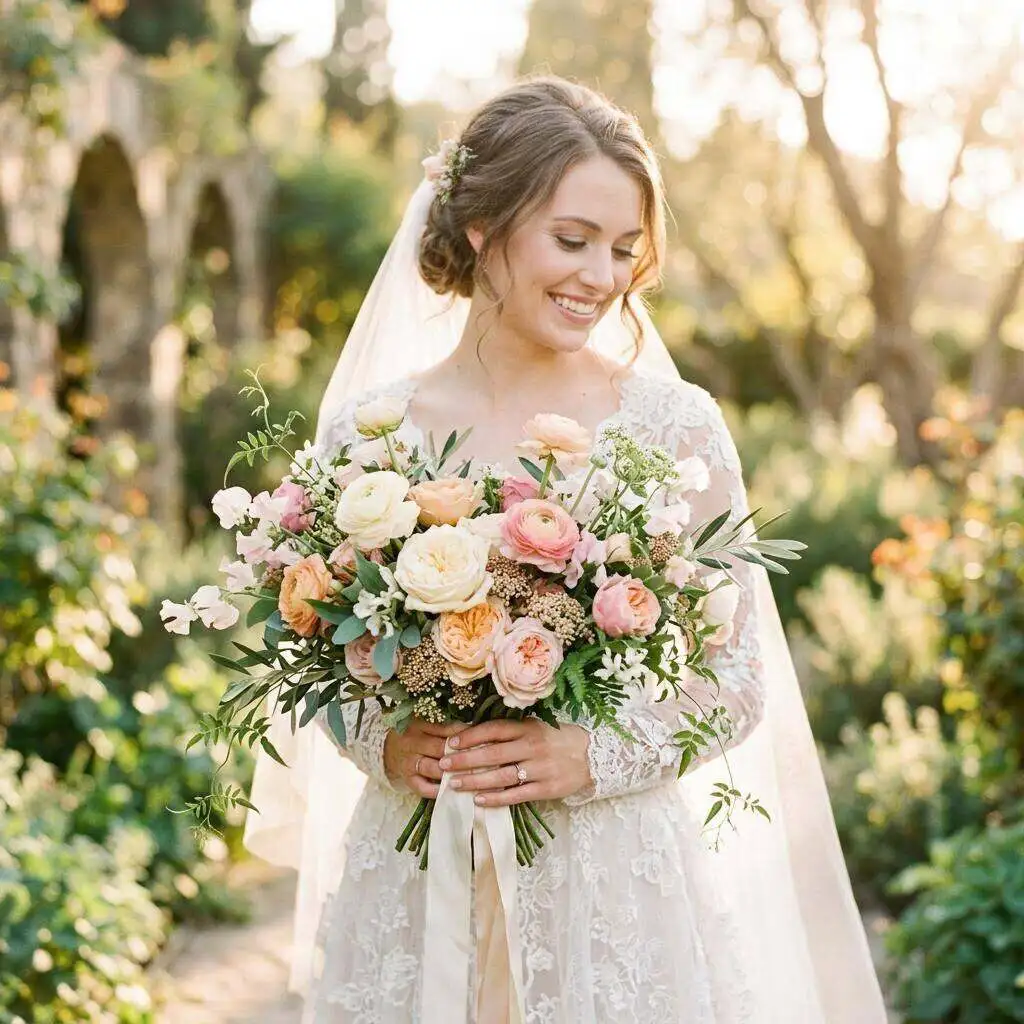
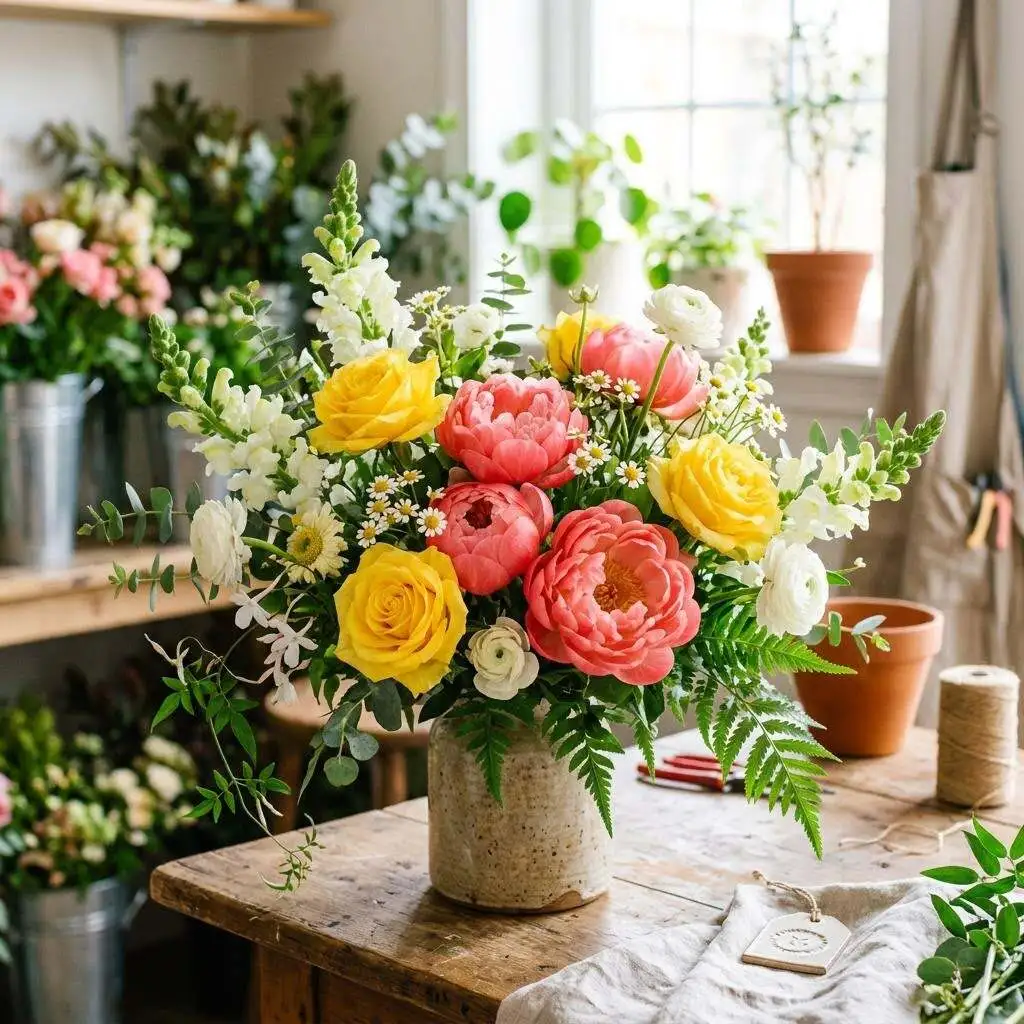
Caring properly for your cut flowers begins the moment you receive them: unpack them gently, trim the stems at an angle, place them in a clean vase with fresh water and flower food, and keep them in a cool spot away from direct sun and heat. With a few simple habits, you can enjoy your Burton Floral Group arrangements for as long as possible.
Below is a detailed, practical guide—organized in a question-and-answer style—to help Burton, MI homeowners, brides, wedding planners, and families caring for sympathy arrangements keep their flowers looking their best.
Getting Started: First Steps After Your Flowers Arrive
What should I do as soon as my cut flowers arrive?
The first few minutes with your bouquet can make a big difference in how long it lasts.
-
Unpack carefully
- Remove all wrapping, rubber bands, and protective sleeves gently so you don’t snap any stems or crush blooms.
- If your arrangement is designed in a vase or floral foam, remove outer packaging but leave the design intact.
-
Inspect the flowers
- Look for any broken stems, crushed leaves, or petals that were damaged in transit.
- Gently remove any loose or badly bruised petals—especially on roses and large blooms—to keep the arrangement looking fresh.
-
Trim the stems under water
- Using sharp, clean floral shears or a knife, cut about one inch off each stem.
- Cut at a 45-degree angle under running water or submerged in a bowl of clean water. This prevents air from entering the stem and improves water uptake.
-
Prepare the vase
- Choose a clean glass or ceramic vase. Residue from previous flowers can harbor bacteria that shorten vase life.
- Wash with hot, soapy water and rinse thoroughly before use.
-
Mix water and flower food
- Fill the vase with fresh, lukewarm water—cool to the touch, not hot or icy.
- Add the flower food packet provided by Burton Floral Group, following the instructions on the packet. Stir until fully dissolved.
-
Arrange and place the stems
- Immediately place the freshly cut stems into the prepared vase.
- Make sure no leaves are submerged under the waterline (more on this below).
These simple steps form the foundation of good cut-flower care.
Everyday Maintenance: Water, Vase Care, and Placement
How often should I change the water in the vase?
Changing the water regularly is one of the most effective ways to extend the life of your flowers.
- Change the water every 2–3 days.
- Each time you change the water:
- Empty the vase completely.
- Wash the inside with mild dish soap and warm water.
- Rinse thoroughly to remove any soap residue.
- Refill with fresh, lukewarm water and, if available, add additional flower food in the recommended amount.
Why this matters:
- Fresh water reduces bacterial growth, which clogs stems and causes premature wilting.
- Clean vases and clean water help flowers continue drawing water efficiently.
If your arrangement is in floral foam (common for sympathy pieces, table centerpieces, and some wedding designs), you won’t dump out vase water, but you should:
- Check the foam daily and top up with fresh water when the top feels dry to the touch.
- Pour water slowly at the base of the stems so the foam absorbs it evenly.
How full should I fill the vase?
- Cover at least half to two-thirds of the stem length with water.
- For woody stems (like some greenery or branches), more water coverage is helpful.
- Avoid overfilling to the point that leaves are submerged.
If the arrangement is dense, tilt the vase slightly and pour slowly to avoid splashing blooms or causing petals to mold from repeated wetting.
Light, Temperature, and Placement
How much sunlight do cut flowers need?
Cut flowers do not need direct sun the way potted plants do. In fact, direct sunlight can shorten their life.
- Best choice: A bright room with indirect, natural light.
- Avoid:
- Windowsills with strong midday or afternoon sun.
- Spots where sunlight falls directly on petals for several hours.
Direct sun warms both the water and the flower heads, speeding up wilting and evaporation.
What room conditions help cut flowers last longer?
Consistent, moderate conditions make a noticeable difference.
-
Ideal environment:
- A cool room, away from hot or cold drafts.
- Stable temperature, not swinging dramatically between day and night.
-
Avoid placing flowers near:
- Heating vents, radiators, fireplaces, or space heaters.
- Air conditioners or direct blasts from fans.
- Exterior doors that open frequently (especially in Michigan winters or hot summers).
- The top of appliances that generate heat (like refrigerators or TVs).
Heat and strong airflow dry out blooms and water more quickly. Cooler temperatures slow the natural aging process of petals and leaves.
Should I keep flowers away from fruit bowls?
Yes, when possible.
- Many fruits—especially apples, bananas, and pears—release ethylene gas as they ripen.
- Ethylene can cause petals to drop, leaves to yellow, and blooms to age faster.
Keep your bouquet a few feet away from fruit bowls or produce baskets on your kitchen counter or dining table.
Stem and Foliage Care
Should I remove leaves from the flower stems?
Yes. Removing certain leaves is a straightforward but important maintenance step.
- Strip away any leaves that would sit below the waterline in the vase.
- Leaves submerged in water will decay quickly and encourage bacterial growth.
- This bacterial buildup clogs stems and interferes with water absorption.
When removing leaves:
- Use your fingers to gently pinch and pull downward, or use clean floral shears.
- Take care not to scrape the stem excessively, as this can damage the tissue that draws up water.
You can leave attractive foliage on the upper part of the stem, where it won’t be submerged. These leaves help shape the arrangement and support blooms visually.
How and when should I re-trim the stems?
Re-cutting stems can revive flowers that seem tired.
- Timing: Every 2–3 days, ideally at the same time you change the water.
- How much to cut: Remove about ½–1 inch from the bottom of each stem.
- How to cut:
- Use sharp, sanitized tools (wipe blades with rubbing alcohol if available).
- Cut at a 45-degree angle to maximize the surface area exposed to water.
- Trim under running water or with the stem tips submerged in a bowl to minimize air bubbles.
This fresh cut opens up the water-conducting tissue inside the stem, allowing better absorption.
What should I do if my flowers begin to droop?
Drooping heads or limp stems are a signal that something is blocking water flow, or that the flowers are very thirsty.
Try this step-by-step “refresh” process:
- Remove the flowers from the vase.
- Empty and clean the vase thoroughly with warm, soapy water.
- Rinse and refill with fresh, lukewarm water and new flower food (if available).
- Re-cut the stems by about an inch at a 45-degree angle under water.
- Strip additional leaves that might fall into the water.
- Place the refreshed bouquet back into the newly prepared vase.
For very limp flowers, you can also:
- Place the vase in a cool, dim room for several hours after refreshing, allowing the flowers to rehydrate without heat stress.
- Some flowers, such as roses, may perk up overnight after this treatment.
If a particular stem or bloom is completely wilted beyond recovery, remove it. This keeps the rest of the arrangement looking clean and reduces the risk of mold.
Using Flower Food and Household Substitutes
How does the flower food from Burton Floral Group help?
The flower food included with your flowers is designed to support longer vase life. While exact formulas vary, most professional flower foods:
- Contain a biocide to reduce bacteria and fungi in the water.
- Provide a sugar source as an energy supply for the cut stems.
- Adjust the pH level of the water to help stems absorb moisture more efficiently.
Using the provided flower food as directed usually yields better results than using home remedies alone.
Can I use household items to extend the life of cut flowers?
Household items can help in a pinch, but they are generally less reliable and less balanced than commercial flower food.
Options you might consider when you don’t have flower food:
-
A small amount of sugar:
- Provides energy to the flowers.
- Too much can encourage bacterial growth, so use sparingly.
-
A splash of clear vinegar or lemon juice:
- Slightly acidifies the water, which can support water uptake.
- Must be diluted well; strong acids can damage stems.
Use these with caution and in very small amounts. Overuse can do more harm than good.
What should I avoid adding to the vase water?
Some commonly suggested additions are not ideal:
- Aspirin: Often mentioned as a home remedy, but it is not specifically formulated for cut flowers and can cause unpredictable results.
- Bleach: While a tiny amount can suppress bacteria, it’s easy to overdo and damage stems or bleach petals, especially in home use.
- Soft drinks: Sugary sodas can rapidly promote bacterial growth unless heavily diluted and balanced with other additives.
When possible, stick with professional flower food for the best balance of cleanliness and nutrition.
Caring for Specific Types of Flowers
Certain blooms have individual quirks. Below are special tips for some common flowers you might receive from Burton Floral Group.
How should I care for roses?
Roses are a classic choice for weddings, anniversaries, and sympathy tributes, but they do require a bit of attention.
-
Remove guard petals:
- The outermost petals on a rose are called guard petals.
- Gently peel away any that appear bruised, discolored, or overly thick.
- This helps the rose open more beautifully and gives a cleaner look.
-
Support the heads:
- Use a vase that’s tall enough so at least half the stem is supported.
- This is especially helpful for large-headed roses that can droop if the stems are too long and unsupported.
-
Refresh regularly:
- Roses are especially responsive to regular stem recuts and fresh water.
- If a rose head bends sharply just below the bloom (a condition sometimes called “bent neck”), re-cut the stem under water and place it in deep, cool water for several hours.
How should I care for lilies?
Lilies are popular in both celebratory and sympathy arrangements. They are elegant, fragrant, and long-lasting with the right care.
-
Remove stamens as blooms open:
- As each lily flower opens, carefully remove the stamens (the long structures with pollen-covered tips in the center).
- This helps prevent pollen stains on tablecloths, clothing, wedding dresses, or upholstery.
- Removing stamens can also slightly extend the bloom’s life since energy isn’t spent on pollen production.
-
Handle pollen carefully:
- If pollen gets on fabric, avoid rubbing. Lift it off gently with tape or a soft brush, then launder as recommended for the fabric type.
-
Provide space:
- Lilies have large flowers and can bruise if crowded.
- Give the stems room in the vase so the blooms are not crushed against each other or against the rim.
Are there special tips for sympathy arrangements?
Sympathy flowers—such as those sent to a home after a service—are often created in containers or floral foam.
For vase-style sympathy arrangements:
- Treat them as you would any bouquet: change water every 2–3 days, re-cut stems, and keep them in a cool location away from direct sun and heat.
For designs in floral foam:
- Check the foam daily and add water to keep it fully saturated.
- Pour water slowly at the base, letting it soak in without overflowing.
- Position the arrangement out of traffic paths so delicate stems aren’t knocked or broken.
If you are a funeral director or helping maintain memorial pieces in a viewing space, regularly checking water levels and room temperature can help arrangements present well throughout visitations and services.
What about mixed arrangements for weddings and events?
Wedding bouquets, centerpieces, and ceremony arrangements often include a mix of flowers.
-
Before the event:
- Keep pieces in a cool, shaded area.
- Avoid placing them in direct airflow from vents.
- Make sure all containers and foam are fully hydrated well ahead of time.
-
After the event (for keepsake arrangements brought home):
- Transfer hand-tied bouquets into clean vases with fresh water and flower food.
- Continue regular maintenance—water changes, stem trimming, and cool placement—to enjoy them for as long as possible.
Common Mistakes to Avoid
What are the most frequent cut-flower care mistakes?
Being aware of common pitfalls makes it easier to avoid them.
-
Leaving flowers in their packaging too long
- Flowers need water quickly. If left dry in their wrap for hours, they dehydrate and may never fully recover.
-
Using dirty vases
- Residual bacteria from old arrangements can rapidly spoil fresh flowers. Always wash vases between uses.
-
Not removing submerged leaves
- Foliage in the water decays, raises bacteria levels, and causes cloudy, foul-smelling water.
-
Skipping stem re-cuts
- Stem ends seal over time. Without fresh cuts, water absorption slows and blooms wilt more quickly.
-
Placing arrangements in hot or sunny locations
- Direct sunlight, near-stove placement, or right beside a radiator dramatically shortens vase life.
-
Crowding too many stems in a small vase
- Overcrowding restricts air circulation and makes it hard to change water and remove wilting blooms.
-
Neglecting water levels
- Flowers in busy households or workplaces may be forgotten for days; by the time water is checked, stems are dry.
Being proactive with these details helps your Burton Floral Group arrangements remain attractive through more of their natural lifespan.
Special Considerations for Different Customers
Any tips for brides and wedding planners in Burton, MI?
For wedding work, timing and environment matter.
-
Transportation:
- Keep bridal bouquets and centerpieces cool during transport, away from car windows in direct sun.
- Use air conditioning in warm weather, and avoid leaving arrangements in a parked car.
-
On-site placement:
- Set flowers in a shaded, well-ventilated area while setting up the venue.
- Place outdoor ceremony arrangements as close to event time as possible in hot conditions.
-
After the celebration:
- If you or your guests take arrangements home, follow the standard care advice—fresh water, clean vase, trimmed stems, and cool placement.
Any tips for homeowners displaying everyday bouquets?
For everyday enjoyment in your Burton, MI home:
- Choose display locations you visit often, like the kitchen island or living room side table, so you’ll notice when water levels drop.
- Avoid spots where children or pets might knock over the vase.
- If your home is particularly dry (common in winter with heating), consider slightly more frequent water checks.
What about families caring for memorial flowers at home?
If you’ve brought home flowers after a funeral or memorial:
- Place arrangements in a peaceful, stable-temperature room where they can be seen and appreciated.
- Gently remove blooms as they fade so the remaining flowers still look comforting and intentional.
- Follow all the same guidelines on water changes, trimming, and placement to extend their presence during a sensitive time.
FAQ: Quick Answers About Caring for Cut Flowers from Burton Floral Group
Q: What is the first step to take when I receive my cut flowers from Burton Floral Group?
A: Carefully remove the packaging, inspect the flowers, and trim about an inch off the stems at a 45-degree angle under running or submerged water. Immediately place them in a clean vase filled with fresh, lukewarm water mixed with the flower food provided.
Q: How often should I change the water in the vase?
A: Change the water every two to three days. Clean the vase each time, refill with fresh water, and add flower food if available.
Q: How much sunlight do cut flowers need?
A: Cut flowers prefer indirect light. Keep them in a bright room away from direct, harsh sun, which can cause them to wilt faster.
Q: Should I remove any leaves from the flower stems?
A: Yes. Remove any leaves that would sit below the waterline. Submerged leaves decay quickly and promote bacterial growth, which shortens vase life.
Q: What should I do if my flowers begin to droop?
A: Re-cut the stems, clean the vase, replace the water with fresh lukewarm water and flower food, and place the arrangement in a cool, shaded area for several hours. This often revives slightly wilted flowers.
Q: Can household items help extend the life of my cut flowers?
A: In a pinch, a small amount of vinegar or sugar can act as a simple preservative, but it is generally better to use the flower food provided by Burton Floral Group for balanced results. Avoid aspirin or bleach, as they may harm the flowers if not used very carefully.
Q: What room conditions extend the life of cut flowers?
A: A cool, stable environment is best. Avoid placing flowers near heat sources, air vents, frequently opened doors, or in direct sunlight.
Q: Are there any special tips for caring for roses?
A: Yes. Gently remove the outer guard petals to help roses open more attractively, give them adequate stem support with a sufficiently tall vase, and re-cut stems and refresh water regularly.
Q: Are there any special tips for caring for lilies?
A: Remove the stamens as each blossom opens to reduce pollen stains and help the flowers last a bit longer. Give lilies enough space in the vase so the large blooms are not crowded or bruised.
Q: How can I make sympathy or memorial flowers last as long as possible?
A: Keep them in a cool, draft-free location, check water levels daily, and for vase arrangements, change water and trim stems every few days. For foam-based designs, keep the foam consistently moist.
By following these straightforward steps—clean water, trimmed stems, cool placement, and gentle handling—you can enjoy the full beauty of your cut flowers from Burton Floral Group for as long as their natural life allows.
<!-- blogforge:verified-delivery:start -->