Burton Floral Group sources sustainable flowers by carefully choosing eco-conscious growers, prioritizing local and seasonal blooms when possible, reducing waste in daily operations, and helping customers make greener choices for weddings, funerals, and everyday arrangements. Rather than treating sustainability as a trend, the team looks at how each step—from farm to vase—can have a lighter impact on the environment and a more positive effect on the communities involved.
Below is a detailed look at what that means in practice and how it benefits you if you live in or around Burton, MI and care about the footprint of the flowers you buy.
Why Sustainable Flower Sourcing Matters
Flowers are beautiful, but the conventional floral industry can be resource-intensive. Traditional large-scale flower production often involves:
- Heavy use of synthetic fertilizers and pesticides
- High water consumption
- Long-distance shipping by air and truck
- Plastic-heavy packaging
- Labor conditions that may be difficult to verify
Choosing more sustainable flowers doesn’t solve every environmental challenge, but it can significantly reduce:
- Chemical impact on soil, water, and pollinators
- Carbon emissions from transport and energy use
- Waste from single-use plastics and short-lived arrangements
For customers—especially homeowners, brides, funeral directors, widows, and family members arranging memorials—sustainable sourcing can also carry emotional meaning. When you’re celebrating a wedding or honoring a loved one, it can be comforting to know your flowers were grown and handled in a way that respects both people and the planet.
Burton Floral Group’s approach focuses on decisions they can directly influence: which farms they buy from, how they choose and handle product, and how they guide customers toward greener options without sacrificing beauty or sentiment.
Partnering With Eco-Conscious Flower Farms
One of the most important choices any florist makes is where their flowers come from. Burton Floral Group prioritizes growers that put long-term land health and responsible practices ahead of quick, high-volume production.
What “Eco-Friendly” Growers Typically Do Differently
While every farm is unique, eco-conscious flower farms tend to share some core practices, such as:
-
Reduced or targeted chemical use
Instead of blanket applications of synthetic pesticides and herbicides, they may rely more on:- Beneficial insects (like ladybugs) to control pests
- Physical barriers (netting, row covers)
- Spot treatments only when necessary
-
Soil-first mindset
Healthy soil supports healthier plants and reduces the need for heavy chemical input. Common practices include:- Crop rotation to avoid depleting specific nutrients
- Cover crops to prevent erosion and add organic matter
- Compost or organic amendments rather than relying solely on synthetic fertilizer
-
Water stewardship
Some growers use drip irrigation or other efficient systems, timing watering carefully to reduce waste and runoff. -
Habitat support
Maintaining or planting hedgerows and wildflower borders can support bees, butterflies, and other beneficial species that contribute to a balanced ecosystem.
When Burton Floral Group chooses farms with these kinds of practices, they’re indirectly supporting healthier land management far beyond the walls of the shop.
Why Farm Relationships Matter
A florist’s relationship with growers goes beyond placing an order and accepting a shipment. Working with farms that care about sustainability usually means:
-
Better communication about growing methods
The shop can ask how certain flowers are raised, what pest control methods are used, and which varieties are hardiest without heavy chemical input. -
More consistent quality
Flowers grown in healthier soil often have stronger stems and better vase life, which means less waste for both the florist and the customer. -
Shared long-term goals
Eco-conscious farms are looking to be in business for the long haul. Florists who support them help build a supply chain that isn’t based purely on short-term yield.
Because flower farming conditions and regulations vary widely from region to region, this kind of relationship is particularly important. It’s one way Burton Floral Group avoids relying on assumptions and instead asks direct questions about how flowers were grown.
Prioritizing Local and Seasonal Flowers When Possible
Location and timing matter a lot in sustainable floral sourcing. Burton Floral Group emphasizes local and seasonal flowers where it makes sense, which can make a noticeable difference in environmental impact.
How Local Sourcing Helps
When flowers are grown closer to Burton, MI, several benefits often follow:
-
Reduced transportation emissions
Fewer miles traveled generally means less fuel burned—especially compared with flowers flown internationally. -
Fresher product
Flowers that don’t spend days in transit usually arrive in better condition, open more naturally, and may last longer in the vase. -
Support for regional growers
Sourcing from nearby farms helps keep revenue in the local and regional economy, supporting agricultural jobs and land stewardship close to home.
Local doesn’t always mean “from the next town over,” particularly in colder months, but the closer a farm is to Burton, the less energy is typically used getting blooms from the field to the shop.
The Role of Seasonal Availability
Not every flower can be grown locally year-round in Michigan’s climate. That’s where seasonality comes in.
A seasonal approach asks: What’s naturally thriving right now in this region or climate? Instead of forcing a delicate summer flower to appear in mid-winter, sustainability-minded florists often suggest alternatives that:
- Are currently in peak season
- Require less energy in greenhouses or transport
- Still deliver the desired color palette or style
For example:
- Spring: tulips, daffodils, hyacinths, early flowering branches
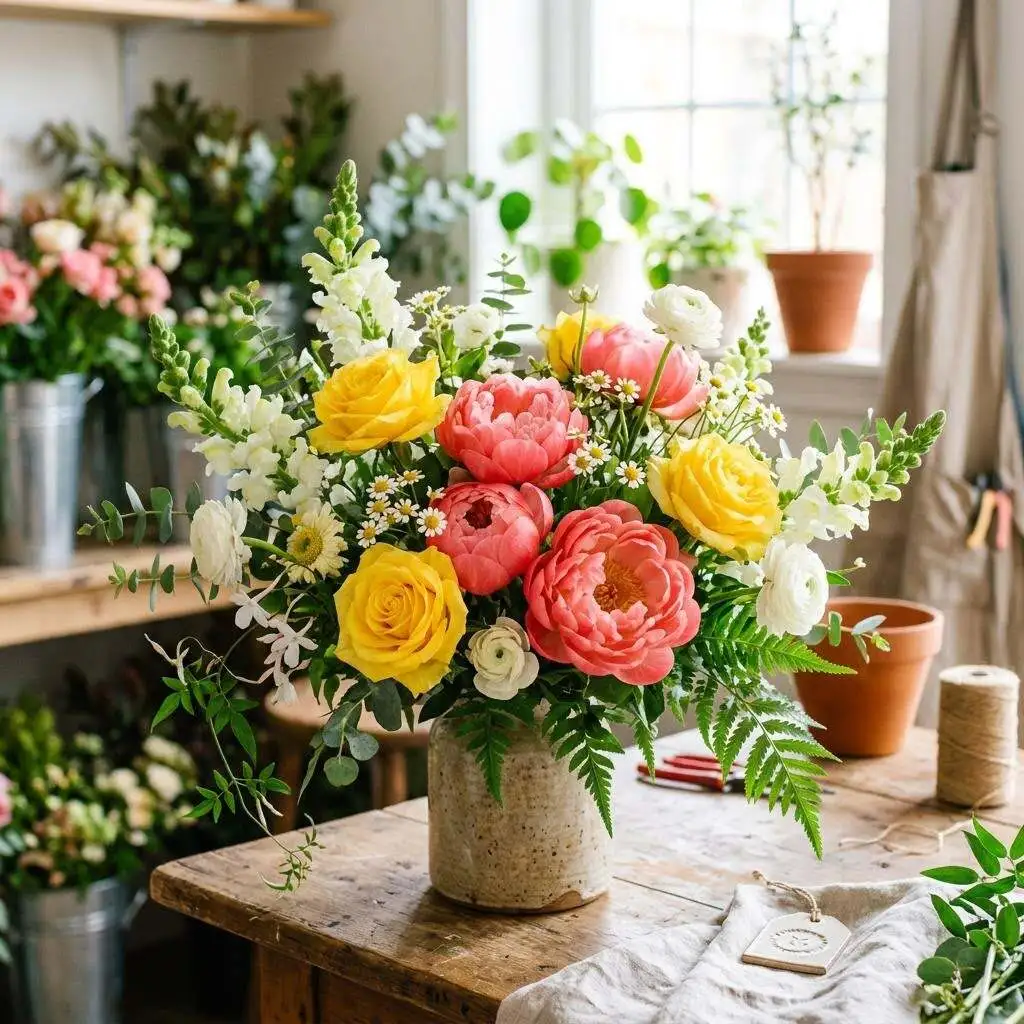
- Summer: zinnias, sunflowers, dahlias, snapdragons, garden-style greenery
- Fall: chrysanthemums, asters, textural grasses, deeper-toned blooms
- Winter: evergreens, berries, pinecones, and select greenhouse-grown blooms
Burton Floral Group’s staff can guide brides, homeowners, and families toward seasonal combinations that feel intentional rather than like a compromise.
Balancing Sustainability With Specific Requests
There are times when a specific flower has strong sentimental importance—for example, a bride who has always dreamed of a particular variety, or a family honoring a loved one’s favorite bloom.
In these moments, the most sustainable choice might not be to eliminate that flower altogether, but to:
- Use it strategically (as a focal accent rather than in every arrangement)
- Balance it with seasonal or locally available supporting flowers
- Be transparent about any added environmental impact due to shipping or growing requirements
This balanced approach lets Burton Floral Group respect your vision while still reducing overall impact where possible.
Reducing Waste in Day-to-Day Floral Operations
Sustainability doesn’t end when the flowers arrive at the shop. Burton Floral Group looks at how flowers are handled, stored, and designed to minimize unnecessary waste and use resources responsibly.
Smart Inventory and Ordering Practices
Flowers are perishable. Over-ordering leads to waste; under-ordering can disappoint customers. Responsible sourcing pushes florists to:
- Review recent sales and upcoming events carefully before placing orders
- Consolidate needs across weddings, funerals, and everyday designs, so that the same flowers can serve multiple purposes
- Prioritize varieties with reliable vase life to reduce spoilage
For high-demand dates—such as holidays, peak wedding weekends, or specific memorial dates—advance planning with customers helps ensure that the right flowers are ordered in the right quantities.
Composting and Organic Waste Management
Inevitably, not every stem is used. Some flowers arrive damaged; others don’t sell before their prime. Sustainable-minded florists often:
- Separate green waste (stems, leaves, petals) from general trash
- Work with local composting options where available, or manage small-scale composting as appropriate
This turns unavoidable floral waste into a resource rather than a burden on landfills.
Rethinking Packaging and Supplies
Another area of impact is the materials that surround the flowers:
- Wraps and sleeves: Favoring paper-based or reusable materials instead of non-recyclable plastics where practical
- Vases and containers: Encouraging reusable containers and offering options that can be repurposed at home
- Foam usage: When possible, designing arrangements that rely less on floral foam (a petroleum-based material) and more on mechanic techniques like grids, chicken wire, or reusable structure supports
Because not every event or arrangement can be foam-free or plastic-free, the focus is on reducing use where it doesn’t compromise the integrity of the design or the safety of the installation.
Guiding Customers Toward Sustainable Design Choices
Many people want to make sustainable choices but aren’t sure where to start, especially when planning an emotional event like a wedding or a funeral. Burton Floral Group sees part of its role as translating sustainability into real options you can choose.
For Homeowners and Everyday Flowers
If you’re buying flowers for your home or as a gift, simple shifts can make your purchase more eco-conscious:
- Ask for seasonal recommendations instead of specific out-of-season flowers
- Choose arrangements in reusable vases over single-use containers
- Consider plants or long-lasting designs when appropriate, since they can offer weeks or months of enjoyment
Staff can explain which options align better with local and seasonal availability and which might require longer-distance shipping.
For Brides and Wedding Planners
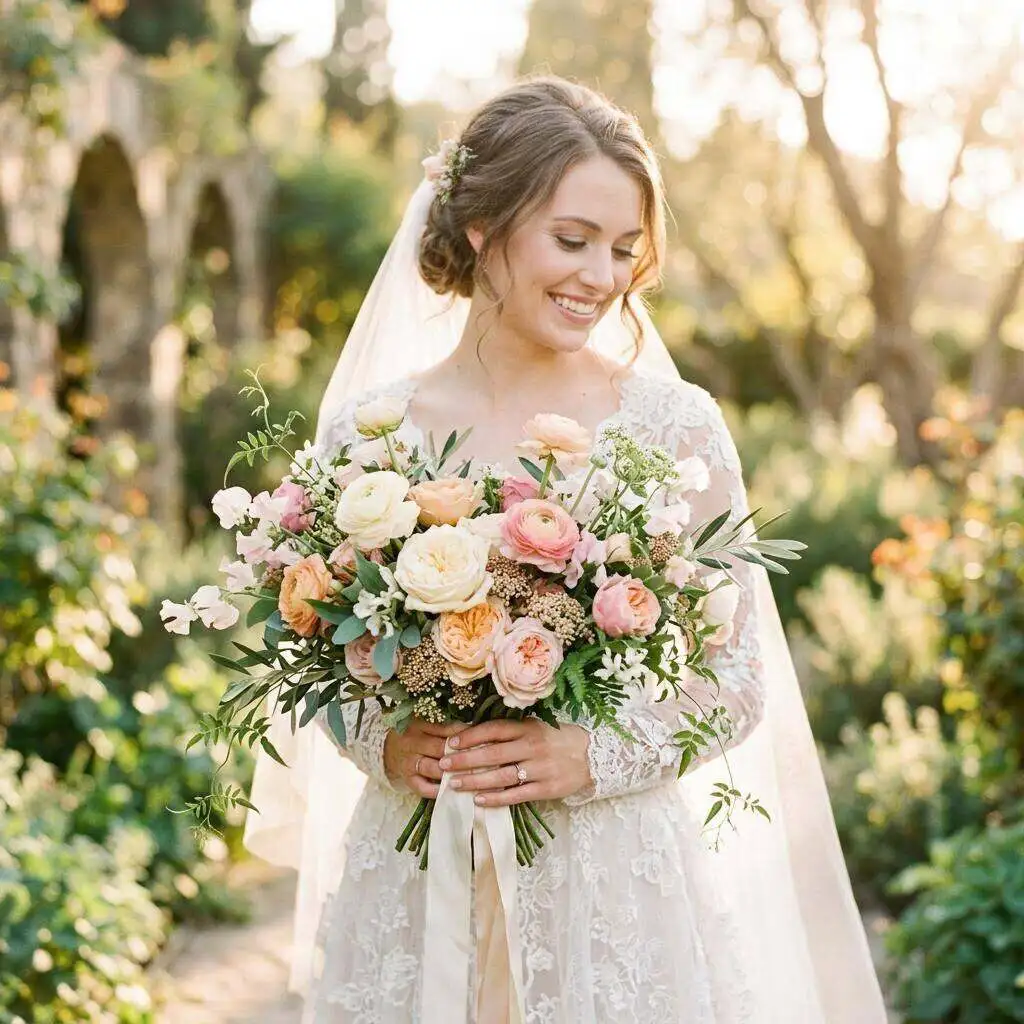
Weddings are often where sustainability and aesthetics intersect most visibly. During consultations, Burton Floral Group can:
- Suggest palette-driven design instead of insisting on a single rare flower
- Recommend local or seasonal focal blooms that align with your colors and style
- Discuss re-purposing arrangements (for example, using ceremony flowers at the reception)
- Help you plan realistic quantities so flowers feel abundant without excessive leftover stems
Common sustainable wedding strategies include:
- Using ceremony arrangements again at the reception
- Designing centerpieces in reusable vessels that guests can take home
- Incorporating more greenery and textural elements in place of high-impact, high-shipping flowers
For Funeral Directors, Widows, and Families
When planning sympathy or funeral flowers, sustainability must be balanced with sensitivity and tradition. Burton Floral Group can:
- Suggest longer-lasting designs, such as planters or arrangements that can be enjoyed at home after the service
- Guide you toward flowers that hold up well over the course of a viewing or graveside service, reducing the need for last-minute replacements
- Offer simple, dignified arrangements that emphasize meaning and symbolism while still respecting environmental concerns
Families may appreciate knowing that their choices honor not only the memory of the person they’ve lost, but also the world that person leaves behind.
Helping Flowers Last Longer at Home
A sustainable bouquet is one that is enjoyed fully, not one that fades prematurely. By extending vase life, customers get more value, and fewer replacement flowers are needed.
Practical Care Tips Burton Floral Group May Share
Common guidance includes:
- Clean vase, clean tools: Start with a cleaned vase and use a sharp, clean knife or scissors to avoid crushing stems.
- Fresh cuts: Trim stems at an angle before placing them in water, and re-trim every couple of days to help with water uptake.
- Remove lower leaves: No foliage should sit below the water line, as it encourages bacteria growth.
- Use flower food as directed: The provided packet contains nutrients and bacteria inhibitors; following the instructions helps maximize vase life.
- Change the water regularly: Every day or two is ideal; cloudy water is a sign you should refresh it.
- Avoid heat and direct sun: Most cut flowers prefer a cool, draft-free spot away from radiators, vents, and strong sunlight.
By following these steps, customers can often extend the life of their arrangements, reducing the need for more frequent purchases purely because flowers faded quickly.
Educating the Community About Sustainable Flowers
Sustainability is easier when people understand the reasons behind particular choices. Burton Floral Group integrates education into its everyday interactions.
In-Store Conversations and Consultations
When you visit the shop or speak with staff:
- They can explain why certain flowers are recommended at specific times of year.
- They can point out which options are more sustainable and where there might be trade-offs.
- They can answer questions about care, longevity, and reuse of containers and elements.
This kind of one-on-one education makes sustainability approachable rather than overwhelming.
Online Resources and Ideas
Through online channels, Burton Floral Group can share general information such as:
- Seasonal flower spotlights
- Tips for caring for popular varieties
- Suggestions for reusing or repurposing vases and containers
These resources help customers stay informed and inspired between visits.
Considerations and Limitations in Sustainable Sourcing
No florist can control every factor in the floral supply chain. Weather, global demand, transportation networks, and availability all influence what’s realistically possible at any given time.
Burton Floral Group navigates this by:
- Being transparent when a particular sustainable option isn’t available
- Offering alternatives that are as close as possible to your original request
- Balancing aesthetic goals with practical constraints like seasonality and supply
Sustainability is treated as a guiding principle rather than a rigid checklist. The priority is to make thoughtful, informed choices at each step of sourcing and design, within the bounds of what’s feasible for your event or occasion.
How You Can Support Sustainable Floristry in Burton, MI
Your decisions as a customer directly influence what florists can offer. To encourage more sustainable practices in your own floral purchases, you can:
- Ask about origin: Where were these flowers grown, generally speaking? Are there local or regional options available?
- Be open to substitutions: Let the florist know you’re flexible on exact varieties if they can suggest more seasonal or sustainable alternatives.
- Plan ahead: For weddings and major events, earlier planning gives your florist more time to source with care.
- Reuse when possible: Bring back vases or choose arrangements designed with reusability in mind.
- Communicate your values: If sustainability matters to you, say so. Florists are more likely to expand these options when they know customers care.
Working together, customers and florists can gradually steer the local floral market toward practices that are gentler on the environment while still celebrating life’s most important moments with beauty and grace.
Frequently Asked Questions About Sustainable Flowers at Burton Floral Group
1. Are sustainable flowers more expensive?
Not necessarily. Pricing depends on availability, variety, and season. Some local or seasonal flowers can be very cost-effective because they don’t require long-distance shipping. Others—especially specialty or limited varieties—may be more expensive. Burton Floral Group can work within a stated budget and suggest sustainable options that balance cost and impact.
2. Can I still get any flower I want if I care about sustainability?
You can often get specific varieties, but there may be trade-offs. Some flowers are only available from distant regions or require more resources to produce at certain times of year. If sustainability is a priority, Burton Floral Group can:
- Provide that specific flower more sparingly
- Suggest close visual alternatives that are in season or sourced closer to home
Your flexibility on colors and varieties generally allows for more sustainable choices.
3. How do I know if a bouquet is sustainably sourced?
You can ask questions such as:
- Where were these flowers grown (locally, regionally, or imported)?
- Are any of these blooms currently in season for our climate?
- Were there more eco-friendly options that might achieve a similar look?
Burton Floral Group can explain the sourcing approach behind your arrangement and clarify which elements are more sustainable.
4. What are some of the most sustainable choices for wedding flowers?
Typically, the most sustainable wedding flowers are those that are:
- In season at the time of your wedding
- Sourced from closer regions when possible
- Designed in reusable or minimal packaging
Design strategies like re-using ceremony flowers at the reception and focusing on a color story rather than specific rare blooms can dramatically reduce impact without sacrificing beauty.
5. What about sympathy and funeral flowers—can those be sustainable too?
Yes. Sustainable choices for sympathy designs often include:
- Long-lasting arrangements and plants that can be taken home afterward
- Seasonally appropriate blooms that hold up well during services
- Containers chosen for reusability or easy care
Burton Floral Group can suggest respectful designs that meet cultural, religious, or family traditions while still keeping sustainability in mind.
6. Is it possible to have a fully “green” or zero-impact floral event?
Realistically, any event involving flowers will have some environmental impact—whether from growing, transporting, or disposing of the stems. However, impact can be significantly reduced by considering:
- Local and seasonal sourcing
- Thoughtful design quantities
- Reuse of arrangements and containers
- Responsible post-event handling of flowers and materials
Burton Floral Group focuses on meaningful reductions rather than promising zero impact.
Choosing Burton Floral Group means working with a florist that treats sustainability as an ongoing commitment, not a marketing slogan. From farm relationships and local sourcing to waste reduction and customer education, each decision is guided by the question: How can we create beautiful, meaningful floral designs while respecting the environment and the people behind every stem?
<!-- blogforge:verified-delivery:start -->