Burton Floral Group in Burton, MI sources sustainable flowers by carefully choosing growers, wholesalers, and design practices that emphasize environmental responsibility, ethical labor, and long-lasting, seasonal blooms. The team prioritizes farms that use eco-friendlier growing methods, seeks local and Fair Trade options when possible, and guides customers toward choices that reduce waste and environmental impact—all while maintaining the quality and beauty expected for weddings, funerals, and everyday occasions.
Below, you’ll find a detailed look at what “sustainable” really means in floristry, how Burton Floral Group puts it into practice, and what you can do as a customer to support those efforts.
What “Sustainable Flowers” Really Means
Sustainable flower sourcing goes far beyond “green marketing” or a few recycled vases. It’s about how each stem is grown, transported, designed, and eventually disposed of.
In practical terms, sustainable flowers typically reflect three pillars:
- Environmental responsibility – Reducing pesticide use, conserving water, protecting soil health, and limiting carbon emissions in production and transport.
- Social responsibility – Ensuring safer working conditions, respecting workers’ rights, and supporting fair wages and community well-being.
- Economic responsibility – Building relationships that allow growers, wholesalers, florists, and customers to thrive without cutting corners that harm people or the planet.
Burton Floral Group’s sourcing approach aligns with these pillars by:
- Favoring farms that use more natural and efficient farming methods.
- Supporting local and Fair Trade growers where appropriate.
- Choosing flowers from growers with recognized sustainability standards when available.
- Designing arrangements in ways that minimize unnecessary waste.
Eco-Friendly Farming Techniques Behind the Blooms
Florists don’t control how flowers are grown, but they do control which farms they purchase from. Burton Floral Group focuses on suppliers known for more sustainable practices, which often include several key techniques.
Reduced Chemical Use and Natural Pest Management
Traditional flower farming can involve intensive use of pesticides and synthetic fertilizers. More sustainable growers work to reduce this impact by:
-
Integrated Pest Management (IPM):
- Monitoring pest levels and treating only when necessary rather than spraying preventively.
- Using targeted treatments instead of broad-spectrum chemicals that harm beneficial insects.
-
Biological controls:
- Introducing beneficial insects (like ladybugs or predatory mites) that eat harmful pests.
- Using microbial or botanical treatments in place of harsher synthetic chemicals when suitable.
-
Healthier soil management:
- Adding compost and organic matter to strengthen plant health naturally.
- Encouraging biodiversity on and around the farm so pest outbreaks are less severe.
By favoring flowers from farms that use these types of approaches, Burton Floral Group supports growing systems that are gentler on ecosystems and safer for workers.
Water Conservation and Responsible Irrigation
Flowers are water-intensive, and unsustainable irrigation can stress local water supplies. Sustainable-oriented farms often:
- Use drip or micro-irrigation to deliver water directly to plant roots, reducing evaporation and runoff.
- Collect and store rainwater where feasible for use in irrigation.
- Monitor soil moisture so they only irrigate when plants truly need it.
- Plan planting layouts and varieties with local climate and rainfall patterns in mind.
When Burton Floral Group selects suppliers, they look for partners who demonstrate awareness of water use and make efforts to use resources carefully rather than carelessly.
Soil Health and Crop Rotation
Healthy soil is a foundation of sustainability. Farms that prioritize long-term soil health tend to:
- Rotate crops so the same flower type is not grown in the same field repeatedly, which helps prevent soil depletion and reduces pest pressure.
- Use cover crops to protect and enrich soil between growing cycles.
- Minimize deep tilling that can disrupt soil structure and microorganisms.
These methods contribute to more resilient flowers that can perform well in arrangements and last longer in a vase, which in turn reduces waste on the customer end.
Local and Fair Trade: How Burton Floral Group Balances Sourcing
No single supply model is perfectly sustainable in every situation, so Burton Floral Group takes a balanced approach, leveraging both local and global options with ethics in mind.
The Role of Local Flowers
When conditions and availability allow, local flowers can be an effective way to reduce environmental impact.
Benefits of locally sourced flowers include:
- Lower transportation emissions: Flowers do not have to travel as far, reducing fuel and cold-chain requirements.
- Fresher blooms: Shorter travel times often mean flowers can be cut closer to the time you receive them, which can improve vase life.
- Support for local growers: Purchasing from nearby farms helps sustain agricultural jobs and businesses in and around Burton, MI.
Burton Floral Group incorporates local flowers when the season, variety, and event requirements align. For example, certain summer weddings or everyday bouquets may feature locally grown sunflowers, zinnias, or other seasonal stems when available.
Considerations and limitations of local sourcing:
- Seasonality: Michigan’s climate limits what can be grown locally at certain times of year. In winter or early spring, local options may be limited.
- Variety: Some specialty varieties requested for weddings, funerals, or themed events may not be grown nearby or may not be in season locally.
Because of these factors, local blooms are part of the solution—not the entire solution. Burton Floral Group balances local sourcing with other responsible options.
Why Fair Trade and Ethically Sourced Flowers Matter
Floristry is a global industry. Many popular flowers, especially in colder seasons, are grown in regions with more favorable year-round climates. Fair Trade and similar ethical sourcing frameworks aim to improve social and environmental conditions in these growing regions.
Burton Floral Group’s commitment to sustainable sourcing includes seeking flowers from Fair Trade and other ethically-minded growers when feasible.
Fair Trade–oriented practices typically include:
- Safer working conditions in greenhouses and fields.
- A structure that supports fair or improved wages.
- Additional funds that may be directed to community projects.
- Requirements related to reduced and properly managed chemical use.
While the exact label or program may vary by grower and country, the principle is the same: move away from exploitative supply chains and toward more responsible ones.
By asking wholesalers about origin and standards, and choosing better-aligned farms when possible, Burton Floral Group helps direct customer spending toward growers that respect both people and the environment.
Choosing Flowers from Certified Sustainable Growers
Formal certifications provide third-party verification that growers meet certain environmental and social standards. Burton Floral Group looks to source from growers that participate in recognized sustainability programs when those products align with customer needs.
What Certification Generally Covers
The details differ by program, but sustainable flower certifications often address:
-
Environmental criteria such as:
- Limits on certain pesticides and fertilizers.
- Proper handling and disposal of chemicals.
- Soil and water protection.
-
Social criteria like:
- Worker health and safety requirements.
- Formal employment practices and protections.
-
Management and transparency, including:
- Record-keeping about production methods.
- Regular external audits.
Certifications cannot guarantee perfection, but they do indicate an additional layer of accountability beyond self-claimed “green” marketing.
How Certification Fits into Everyday Sourcing
In the real world, florists must balance availability, budget, seasonality, and customer preferences. Certified sustainable stems may not exist for every variety, color, or size requested—especially for very specific wedding or funeral palettes.
Burton Floral Group integrates certification into its sourcing as a guiding factor, not a rigid rule:
- When multiple suppliers offer similar flowers, preference can be given to growers with recognized sustainability standards.
- For high-demand events, the team may blend certified, local, and conventional flowers, prioritizing sustainable options where they make the most sense without compromising the event design.
- As the market evolves and more sustainable options become available, the mix can gradually shift toward better-performing growers.
Sustainable Design Choices Inside the Flower Shop
Sourcing is only part of the sustainability story. How flowers are processed, designed, and packaged also affects their environmental footprint. Burton Floral Group incorporates a number of practical design considerations to support its sourcing goals.
Choosing Seasonal Varieties Whenever Possible
Seasonality is one of the simplest, most effective tools for sustainability.
Benefits of seasonal flowers:
- They typically require fewer energy inputs (like artificial heat or lighting) because they grow in sync with the natural climate.
- They are often more abundant and affordable, making them a sensible choice for larger events.
- They tend to be stronger and longer-lasting, having developed under favorable conditions.
For example, suggesting seasonal blooms for a Burton-area wedding or home arrangement can reduce both environmental impact and cost, while still achieving a beautiful aesthetic.
Reducing Waste in Processing and Production
Every stem that’s thrown away before or after an event represents wasted land, water, and energy. Burton Floral Group focuses on practical ways to minimize that waste:
- Thoughtful ordering: Carefully estimating stem counts for weddings, funerals, and holidays so leftover inventory is limited.
- Creative repurposing: When appropriate, using extra or short-stemmed flowers in:
- Smaller accent arrangements.
- Break-room or donation arrangements, where suitable.
- Efficient conditioning: Proper hydration, cutting, and storage to extend vase life.
Longer-lasting flowers mean fewer replacements and less overall product wasted.
Considering More Sustainable Mechanics and Packaging
While certain event designs may still require floral foam or specific supports, florists increasingly explore alternatives where practical. Burton Floral Group can, for some designs:
- Use reusable containers, such as glass vases, metal urns, or ceramic vessels.
- Design with water-filled vessels, chicken wire, or other mechanical supports in appropriate pieces.
- Minimize single-use plastics in wrapping and presentation when feasible and appropriate.
These steps, while often behind the scenes, further reinforce a more sustainable approach to floral design.
What Sustainable Sourcing Means for Different Customers
Burton Floral Group serves a range of customers—from homeowners picking up a birthday bouquet to funeral directors arranging casket sprays. Each type of customer has slightly different needs, but all can benefit from sustainable sourcing.
Brides, Grooms, and Wedding Planners
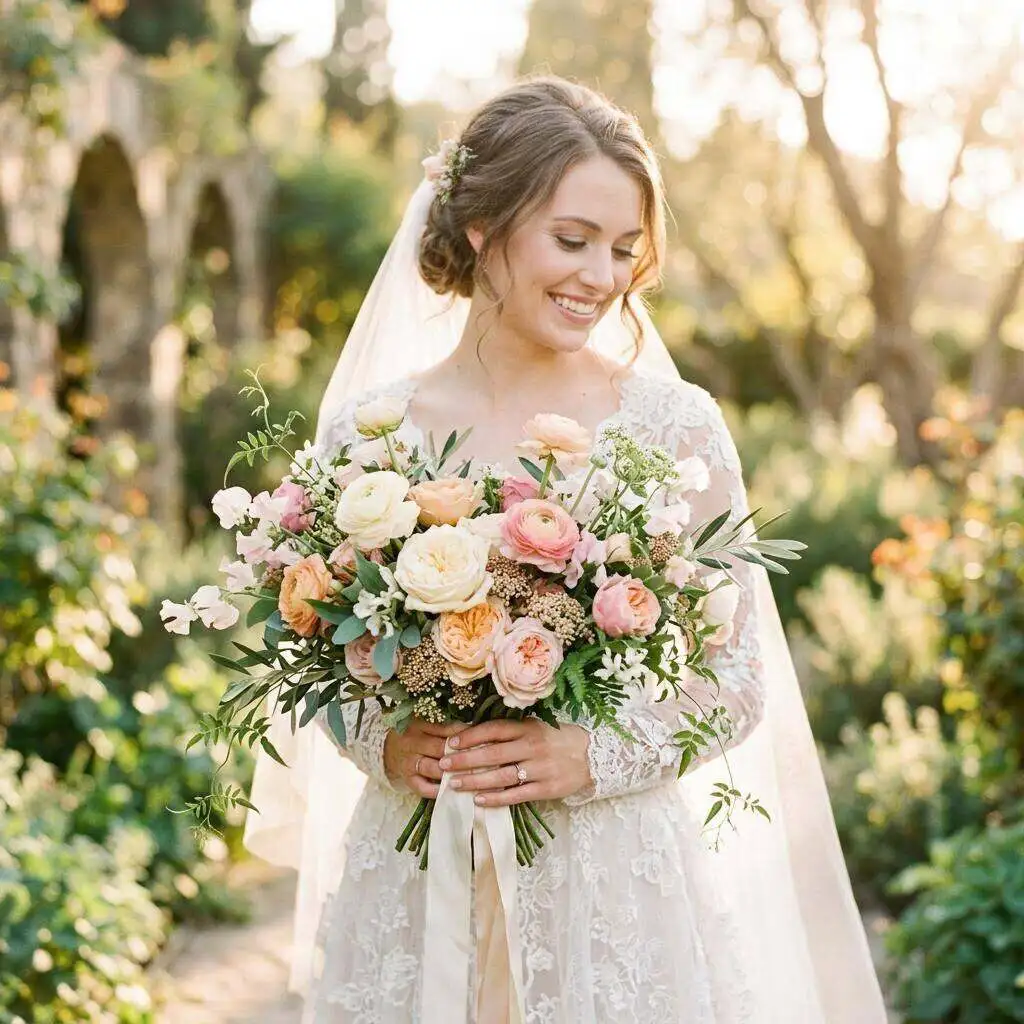
Couples increasingly want weddings that reflect their values. Sustainable flower sourcing can support that goal without sacrificing beauty.
Options may include:
- Seasonally inspired palettes that lean on what’s naturally abundant for the wedding date.
- Mixing local and ethically sourced blooms to balance look, budget, and responsibility.
- Reusing ceremony flowers at the reception where practical—for example, moving altar arrangements to the head table or entryway.
When you consult Burton Floral Group for a wedding, you can discuss:
- Which flowers are likely to be in season.
- Ways to reduce waste by consolidating designs.
- Alternative blooms if a specific out-of-season variety would require high-impact growing or shipping.
Funeral Directors, Widows, and Bereaved Families
Funeral flowers carry emotional weight, but they can also align with a family’s values around care for the earth.
For sympathy and funeral work, sustainable-minded approaches can include:
- Selecting long-lasting flowers so arrangements remain beautiful throughout viewings and services.
- Using seasonal or locally available stems when they match the desired colors and symbolism.
- Advising on arrangement sizes so families choose designs that are meaningful without being excessive and wasteful.
When working with funeral directors and families, Burton Floral Group can incorporate these considerations while still honoring traditions, religious customs, and specific flower preferences.
Homeowners and Everyday Customers
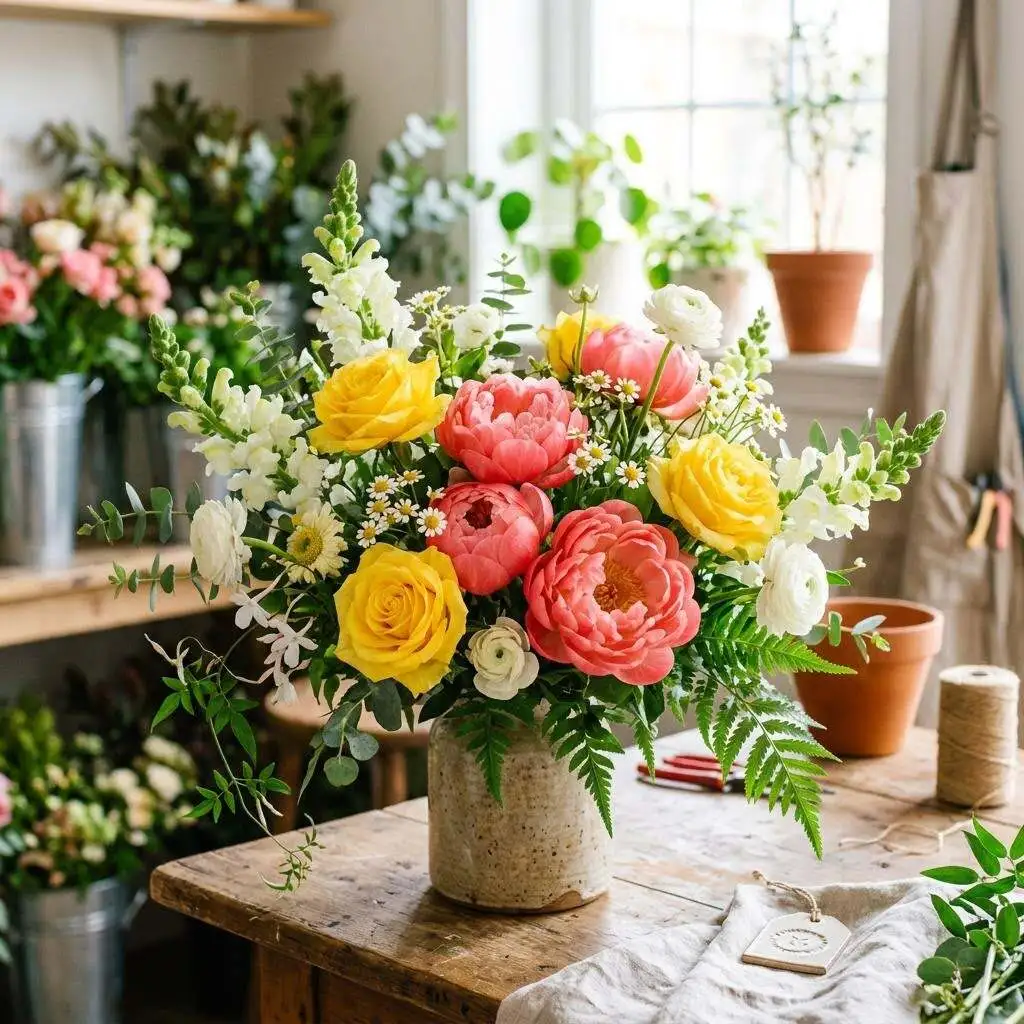
For everyday bouquets, birthdays, anniversaries, or simply brightening a room, sustainable sourcing translates into:
- Fresher arrangements that last longer.
- Opportunities to choose local and seasonal blooms more easily.
- Guidance on care so customers can maximize vase life and avoid premature waste.
By asking a few targeted questions and being open to florist recommendations, homeowners can easily align their purchase with more eco-conscious practices.
Practical Tips: How Customers Can Support Sustainable Floristry
Customers play a vital role in encouraging responsible practices. When you order from Burton Floral Group, a few simple actions can make a meaningful difference.
1. Ask About Origin and Seasonality
Instead of just naming a flower and color, consider asking:
- “Which flowers are in season for my event date?”
- “Do you have any locally grown or Fair Trade–oriented options right now?”
- “Are there sustainable alternatives to this out-of-season bloom that would create a similar look?”
These questions signal that you care about how the flowers were grown and that you are open to expert guidance.
2. Be Flexible with Specific Varieties
Rigidly requesting a very specific flower that’s out of season or difficult to source sustainably can force reliance on higher-impact options. When possible:
- Focus on colors, textures, and overall style rather than one exact variety.
- Allow the florist to substitute similar flowers that may be more sustainable or more readily available.
This flexibility gives Burton Floral Group room to prioritize responsible suppliers.
3. Choose Arrangements That Maximize Use and Longevity
Consider:
- Repurposing arrangements from one part of an event to another.
- Ordering a few larger arrangements that make an impact rather than many small ones that may go unnoticed and end up wasted.
- Following the care instructions you receive so stems last as long as possible at home.
4. Ask About Reuse and Recycling Options
You can also minimize waste by:
- Reusing vases and containers you already have.
- Returning certain containers if the florist accepts them.
- Composting spent flowers if you have access to composting.
Even small steps can help close the loop.
Common Mistakes to Avoid When Seeking Sustainable Flowers
Customers sometimes unintentionally undermine their own sustainability goals. Being aware of these common pitfalls can help you make better choices.
- Assuming all “local” flowers are automatically sustainable – Local can be more eco-friendly, but it still matters how those flowers were grown and handled.
- Demanding specific out-of-season varieties – This can drive higher resource use and longer-distance shipping.
- Equating “organic” with perfect – Organic methods reduce certain chemicals but don’t automatically address worker conditions or water use.
- Choosing designs with excessive waste – Oversized or extremely short-lived novelty designs may look striking but can also be resource-intensive.
- Ignoring post-purchase care – Throwing away flowers early because they were not properly hydrated or placed in direct sun negates many of the sustainability benefits.
By avoiding these mistakes and communicating with your florist, you help make sustainable sourcing more practical and impactful.
FAQ: Sustainable Flower Sourcing at Burton Floral Group
Do sustainable flowers cost more?
They can, but not always. Costs depend on variety, season, availability, and distance traveled. Sustainable options may sometimes carry a premium, but choosing seasonal and locally available flowers can offset or even reduce costs compared with forcing out-of-season imports.
Are all of Burton Floral Group’s flowers sustainably sourced?
Like most florists, Burton Floral Group works within a complex global supply chain. Not every single stem can meet every ideal criterion of sustainability all the time. However, sustainable sourcing is a guiding priority:
- Preference is given to farms with stronger environmental and social practices when possible.
- Local and Fair Trade–oriented options are used where they make sense.
- Customers are encouraged to choose designs that support these practices.
How can I tell if my flowers are Fair Trade or from a certified sustainable farm?
Certification details are often part of the wholesale side of the business rather than displayed on each retail bouquet. If you’re interested, ask:
- Whether certain stems in your arrangement come from Fair Trade or other sustainability-focused programs.
- Whether there are certified alternatives for the flowers you’re considering.
Burton Floral Group can share what is known from their suppliers at the time of ordering.
I have a very specific wedding flower in mind. Can I still be sustainable?
Yes, but it may require some compromise. You can:
- Use that specific flower as a highlight rather than the main flower in every arrangement.
- Blend it with more seasonal or local flowers to reduce overall impact.
- Consider similar-looking alternatives that may be easier to source responsibly.
Discuss your priorities with Burton Floral Group so they can help you balance aesthetics and ethics.
Are sustainable flowers less long-lasting?
Not inherently. In fact, flowers from farms that prioritize soil health, water management, and careful post-harvest handling often perform better in the vase. Vase life is influenced by:
- Growing conditions and harvest timing.
- How flowers are cooled, transported, and conditioned.
- How well customers follow care instructions.
How can I make my arrangement more sustainable after I take it home?
A few easy steps:
- Follow any care instructions (fresh water, recutting stems, avoiding drafts and heat sources).
- Repurpose flowers as they age—shorten stems and move them into smaller bud vases.
- Compost flowers where possible instead of throwing them into general trash.
Bringing It All Together: Beauty with a Lighter Footprint
Sustainable flower sourcing is not a single decision; it’s a series of thoughtful choices at every stage—from the farm to the florist to your home or event.
Burton Floral Group in Burton, MI works to:
- Source from growers that employ eco-friendlier farming methods.
- Support local and Fair Trade–aligned producers when it makes sense.
- Favor seasonal and responsibly grown varieties.
- Design arrangements to minimize waste and maximize vase life.
As a customer—whether you are a homeowner, bride, wedding planner, funeral director, widow, or family member—you have an important role in this effort. By asking about origin, staying open to seasonal alternatives, and caring for your flowers thoughtfully, you help ensure that the beauty you enjoy today also respects the world we all share.
<!-- blogforge:verified-delivery:start -->