"Floral Inspirations: A Podcast on Crafting Custom Floral Arrangements for Burton's Residents" explores how Burton, MI families, couples, and professionals can use flowers to express emotion, tell stories, and bring beauty into everyday spaces. This episode focuses on practical, real-world ways homeowners, brides, wedding planners, funeral directors, widows, and family members can work with a florist—or create on their own—to design arrangements that truly feel personal.
In this expanded recap of the episode, you’ll find:
- How custom floral design works in real life
- Practical tips for homeowners styling flowers at home
- Guidance for brides and wedding planners planning wedding flowers
- Compassionate ideas for funeral directors and grieving families
- Local-focused advice suited to Burton’s seasons and community
- Common mistakes to avoid and questions to ask your florist
Why Custom Floral Arrangements Matter in Burton, MI
Custom floral arrangements go far beyond “pretty flowers in a vase.” In a community like Burton, MI, flowers are often at the center of life’s most meaningful moments:
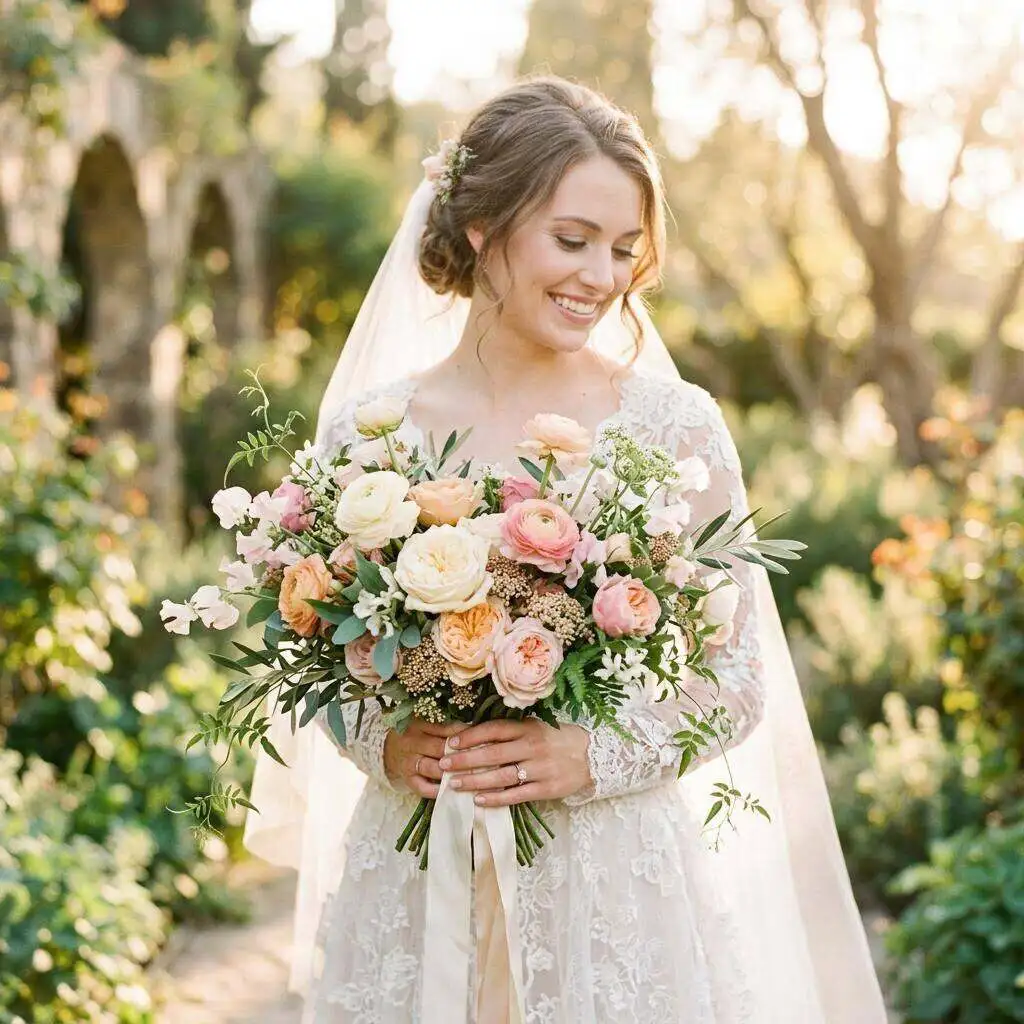
- A bride carrying a bouquet that reflects her personality and love story
- A funeral service softened by a favorite flower or color of the person who has passed
- A homeowner brightening a long Michigan winter with fresh blooms on the kitchen table
Custom design means the flowers, colors, style, and size are chosen with a specific person, place, or occasion in mind. Instead of a one-size-fits-all bouquet, every detail is intentional.
On the "Floral Inspirations" podcast, the conversation centers on how local residents can:
- Translate emotions into floral choices
- Incorporate seasonal, local flowers
- Communicate effectively with their florist
- Avoid common pitfalls, like choosing the wrong flowers for the environment or season
The Beauty of Custom Floral Arrangements
Custom floral design blends art, craftsmanship, and communication. A good florist doesn’t just arrange flowers—they interpret a vision.
What Makes an Arrangement Truly “Custom”
A custom arrangement typically considers:
- Purpose: Is this for a wedding, funeral, home, celebration, or corporate event?
- Recipient: Their personality, favorite colors or flowers, and style (classic, modern, rustic, romantic, etc.)
- Setting: Church, event hall, funeral home, living room, outdoor pavilion—each space calls for a different scale and style.
- Season and availability: Working with flowers that are at their best locally and regionally.
- Budget: Designing something beautiful within reasonable financial boundaries.
Custom design does not always mean extravagant. Even a small vase arrangement can be personalized with meaningful blooms, colors, and textures.
How Flowers Transform a Space
In the podcast, the hosts reflect on that moment when you walk into a room and the flowers immediately set the tone. Arrangements can:
- Warm a home: Soft colors and loose designs create a welcoming, lived-in feel.
- Elevate a wedding: Cohesive florals tie together attire, décor, and the venue.
- Bring peace to a memorial: Gentle, thoughtful design provides comfort and a focal point for remembrance.
- Brighten everyday life: A simple vase on a kitchen counter can shift the mood of the whole space.
The key is intention—using flowers not just as decoration, but as a visual and emotional language.
Listening to Our Community: Flowers for Everyday Living
The episode begins with Emily, a Burton homeowner, who uses seasonal picks from her garden and local sources to create arrangements for her home.
Her story highlights how everyday residents—not just professionals—can enjoy floral design.
Tip 1: Go Local and Seasonal
Emily’s first lesson is to lean into what’s naturally thriving in and around Burton:
- Local flowers tend to be fresher. Shorter travel time usually means longer vase life.
- Seasonal blooms feel “right” in the moment. Spring tulips and daffodils, summer dahlias and sunflowers, autumn mums and foliage—all match the mood of the season.
- Supporting growers supports the community. Buying from local farms or florists who source regionally keeps dollars in the area and encourages more diverse flowers to be grown nearby.
For homeowners in Burton, this might look like:
- Stopping by a local florist for a mix of in-season stems
- Snipping herbs, branches, or greenery from your own yard (where safe and appropriate)
- Combining store-bought blooms with garden cuttings
Tip 2: Mix Textures and Colors
Emily also emphasizes mixing textures and colors to make an arrangement feel alive.
Some practical pairings include:
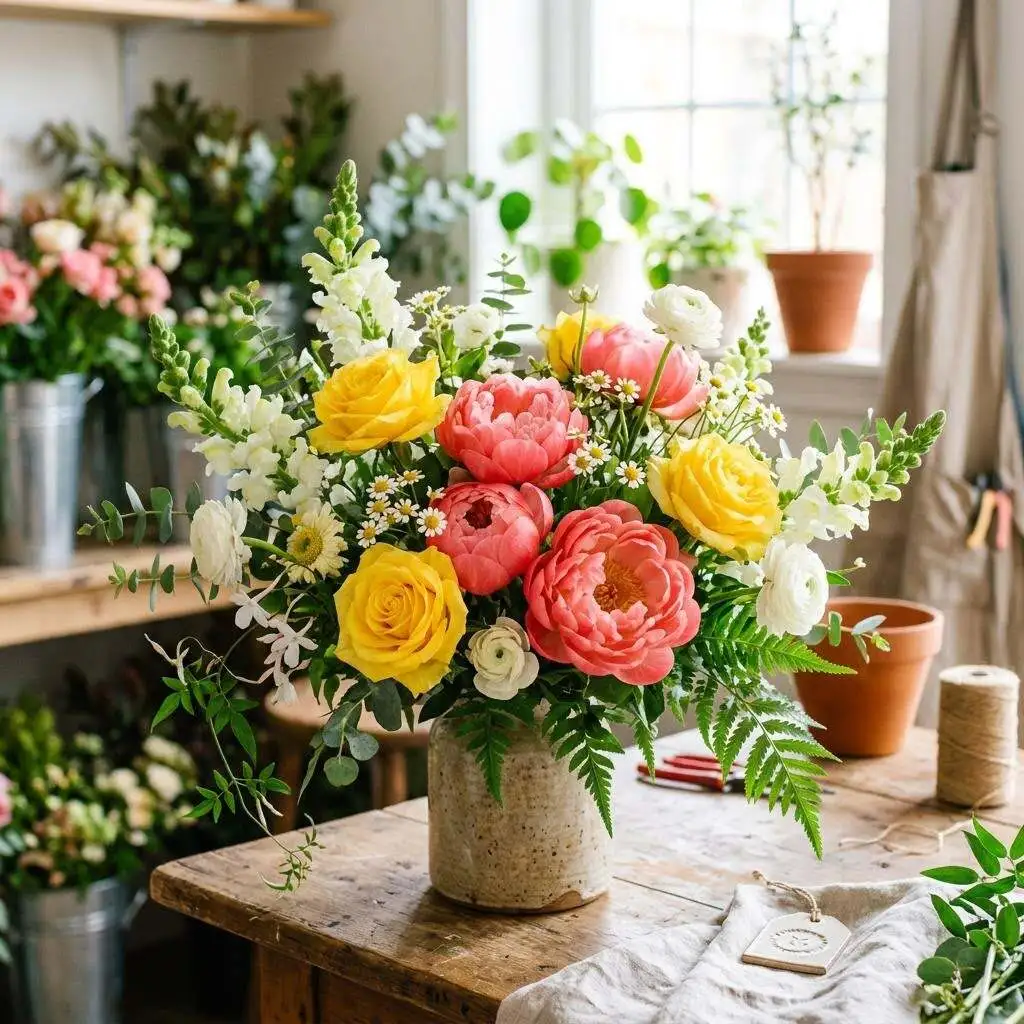
- Soft + structured: Roses or peonies paired with structured greenery or branches
- Glossy + matte: Shiny leaves (like certain tropical greens) combined with velvety petals
- Large + small blooms: Big focal flowers contrasted with tiny filler flowers or berries
Color-wise, consider:
- Monochromatic with interest: Different shades of one color (e.g., blush, rose, and burgundy) for a sophisticated look
- Complementary contrasts: Opposite colors on the color wheel (like purple and yellow) for energy and vibrancy
- Neutrals as a base: Whites, creams, and greens as a backdrop to a single accent color
Basic At-Home Arranging Tips for Burton Homeowners
For listeners who want to try arranging at home, the podcast highlights a few fundamentals:
-
Prep your flowers properly
- Cut stems at an angle using clean, sharp shears.
- Remove any lower leaves that would sit below the water line.
- Place flowers in fresh, room-temperature water with floral preservative if available.
-
Choose the right vase for the space
- Tall, narrow vases for entry tables or corners.
- Low, wide containers for dining tables so guests can see over them.
- Bud vases for nightstands, desks, or powder rooms.
-
Create a simple structure
- Start with greenery to form a base and shape.
- Add focal flowers (the larger, showy blooms).
- Fill in with smaller blooms and textural elements.
-
Mind location and care
- Keep arrangements away from heat vents and direct sunlight.
- Change water every 1–2 days and recut stems for better longevity.
Crafting Your Wedding Dream: Flowers for Brides and Planners
The podcast then moves into the world of weddings, featuring Josh, a Burton wedding planner who has seen how thoughtful floral choices can tell a couple’s story.
How Florals Shape a Wedding Story
Wedding flowers do more than decorate; they:
- Highlight the couple’s style (romantic, modern, rustic, classic)
- Tie together dresses, suits, linens, and venue details
- Appear in almost every key photo: bouquet shots, ceremony backdrop, first dance, cake cutting
Josh encourages brides and planners to treat florals as one of the “storytelling elements” of the day, alongside music, vows, and décor.
Josh’s Key Takeaway 1: Themes Matter
Aligning flowers with the wedding’s theme and color palette makes everything look polished and intentional.
Common directions couples in Burton might consider:
- Rustic & natural: Loose greenery, wildflower-inspired arrangements, wood accents
- Classic & formal: Roses, lilies, structured bouquets, symmetrical altar pieces
- Romantic & soft: Pastel palettes, cascading ribbons, airy textures
- Modern & minimal: Clean lines, monochrome flowers, architectural greenery
Practical steps for brides and planners:
- Bring fabric swatches or photos of dresses and suits to your florist consultation.
- Share venue photos so your florist can scale designs to the space.
- Decide which areas matter most: bouquet, ceremony arch, centerpieces, or head table.
Josh’s Key Takeaway 2: Symbolism Counts
Josh also talks about the power of symbolism—flowers that represent the couple’s journey or values.
Ways to weave symbolism into wedding florals:
- Favorite flowers: Incorporate a bloom that one partner has always loved.
- Family connections: Use a flower that appeared in parents’ or grandparents’ wedding photos.
- Cultural or spiritual meaning: Some blooms traditionally represent love, loyalty, or remembrance.
Because specific meanings and traditions vary, couples are encouraged to talk with both family and florist about which flowers feel personally significant, rather than relying only on generic “flower meanings” charts.
Planning Wedding Flowers Without Overwhelm
For brides and wedding planners in Burton, the podcast highlights a straightforward approach:
-
Start with your must-haves
Most couples prioritize:- Bridal bouquet
- Boutonnieres for the wedding party
- Key ceremony pieces (arch flowers, altar arrangements)
-
Add enhancements as budget allows
Once essentials are covered, consider:- Reception centerpieces
- Cake flowers
- Welcome table or escort card display
- Statement pieces for photo backdrops
-
Be flexible with flower varieties
Instead of insisting on a specific flower that may be out of season or hard to source, share your desired colors and overall look. A florist can suggest similar blooms that achieve the same feel. -
Consider season and climate
Michigan’s weather can be unpredictable. For outdoor weddings, your florist may recommend sturdier flowers and greenery that can handle temperature shifts, especially for summer heat or early spring chill.
Honoring with Flowers: Funerals, Memorials, and Sympathy Tributes
The episode then turns to a more solemn but deeply important topic: flowers for funerals and memorials. Marie, a funeral director, shares how much comfort a thoughtful arrangement can bring during times of grief.
The Role of Flowers in Grief and Remembrance
Flowers at a funeral or memorial service serve several purposes:
- Expression of sympathy: They are a tangible way to say, “We’re thinking of you.”
- Honor and respect: Arrangements reflect love and appreciation for the person who has passed.
- Comfort for the living: Soft colors and natural beauty can make a difficult environment feel more gentle.
For many families in Burton, flowers become part of how they remember their loved one—through favorite colors, meaningful blooms, or particular styles.
Marie’s Advice 1: Add a Personal Touch
Marie emphasizes using flowers that had special meaning to the deceased. This could be:
- A favorite flower or color
- Flowers that grew in their garden
- Blooms connected to their heritage or traditions
Personalization options often include:
- Name ribbons: Banners that say “Beloved Mother,” “Grandfather,” or the person’s first name
- Custom shapes: Crosses, hearts, or other forms that align with the family’s traditions
- Keepsake elements: Incorporating a small object (such as a ribbon, fabric swatch, or charm) when appropriate and allowed
Marie’s Advice 2: Keep It Simple Yet Elegant
During grief, decision-making can be overwhelming. Marie suggests families remember that simplicity can be powerful.
Simple yet elegant choices might include:
- A single type of flower in a meaningful color
- Gentle, flowing greenery around a main focal bloom
- Classic standing sprays or wreaths with soft, harmonious tones
Often, what matters most is that the arrangement feels respectful and sincere, not that it is the largest piece in the room.
Working Together: Funeral Directors, Families, and Florists
For funeral directors and families in Burton, collaboration with a florist can make the process smoother:
- Share key details early: Service time, location, and any religious or cultural preferences.
- Communicate any restrictions: Some venues have limits on size, fragrance, or certain items.
- Be open about preferences and boundaries: If the family dislikes a particular flower or color, it’s helpful for the florist to know.
Funeral directors often coordinate with florists regularly, so they can help families understand timing, display options, and how many arrangements the space can comfortably hold.
How a Florist Thinks: From Idea to Finished Arrangement
Throughout the "Floral Inspirations" episode, an underlying theme emerges: custom floral design is a process.
Typical Steps in Creating a Custom Floral Design
While every florist has their own workflow, the general process often looks like this:
-
Consultation or inquiry
- Understanding the occasion, date, location, and budget range.
- Asking about the recipient’s personality or the event style.
- Reviewing any inspiration photos (while clarifying that each design will be unique).
-
Design planning
- Choosing a color palette and general style (tight and classic, loose and garden-like, modern and minimal, etc.).
- Identifying primary focal flowers, supporting blooms, and greenery.
- Confirming container type, size, and placement in the space.
-
Ordering and sourcing
- Selecting flowers that are suitable for the season and the event’s timing.
- Prioritizing quality, freshness, and cohesion with the design plan.
-
Conditioning and prep
- Hydrating flowers properly, removing excess foliage, and allowing them to open slightly if needed before the event.
-
Design and assembly
- Building structure with greenery.
- Adding focal flowers first, then supporting flowers and accents.
- Checking the arrangement from all angles to ensure balance.
-
Delivery or pickup
- Packing arrangements safely for transportation.
- Setting up on-site for weddings and funerals when required.
Understanding this process helps homeowners, brides, and families appreciate why advance notice is important and why flexibility with exact flower types often leads to better, fresher designs.
Common Mistakes to Avoid with Custom Flowers
The podcast touches on pitfalls that Burton residents can sidestep when planning flowers for any occasion.
For Weddings and Events
- Planning too late: Leaving florals to the last minute limits flower choices and design options, especially during busy wedding or holiday seasons.
- Being too rigid about specific blooms: Focusing on one exact flower that may be out of season can cause stress; focusing on color and style yields better results.
- Forgetting the venue’s scale: Tiny arrangements can get lost in a large hall; oversized pieces may overwhelm a small chapel.
- Ignoring photography: Very dark or very bright flowers may look different in photos than expected; discussing this with your florist can help.
For Funerals and Memorials
- Overcomplicating decisions during grief: Families sometimes try to handle every detail alone. Allowing a florist and funeral director to guide choices can ease the burden.
- Ordering without sharing preferences: If there are strong likes or dislikes, it helps to mention them upfront.
For Home Arrangements
- Not trimming stems or changing water: This shortens vase life significantly.
- Placing flowers near heat or in full sun: Leads to quick wilting and fading.
- Crowding too many flowers in a small vase: Reduces water flow and makes the design look cramped.
By learning from these common issues, Burton residents can get more value, beauty, and longevity out of every arrangement.
Working with a Local Florist in Burton, MI
The “Floral Inspirations” episode underscores the value of partnering with a local florist—someone who understands Burton’s seasons, venues, and community preferences.
Benefits of Local Expertise
- Familiarity with popular wedding and event venues in and around Burton
- Knowledge of which flowers hold up best in local conditions
- Relationships with area growers and suppliers
- Ability to suggest designs that feel right for the community’s tastes and traditions
What to Bring to a Florist Consultation
Whether you’re a homeowner, bride, wedding planner, funeral director, widow, or family member, it helps to prepare a few things:
- Event or need details: Date, time, location, and approximate number of pieces you’ll need.
- Any inspiration images: Photos that show the style and colors you like (not to copy exactly, but as a reference point).
- Color palette: Even a simple description (e.g., “white and green with a hint of soft blue”).
- Budget range: A clear range allows the florist to suggest the most impactful options for your situation.
With these basics, a florist can guide you toward designs that feel personal, appropriate, and within means.
FAQ: Custom Floral Arrangements for Burton’s Residents
How far in advance should I plan wedding flowers?
Ideally, couples should begin discussing wedding flowers several months in advance, especially for popular dates. This allows time for design planning, sourcing, and adjusting as other details (like dresses and décor) are finalized.
What if my favorite flower isn’t in season?
If a specific flower isn’t available or at its best, your florist can recommend alternatives with a similar look or feel. Focusing on color palette and overall style offers more flexibility and often results in fresher, longer-lasting designs.
I don’t know much about flowers. How can I still get something custom?
You don’t need to know flower names to get a beautiful, custom arrangement. Describe the occasion, mood, colors you like (or dislike), and any special meaning you want to include. Your florist can guide the rest.
How can I make my home flowers last longer?
- Use a clean vase and fresh water
- Trim stems at an angle before placing in water
- Remove leaves below the water line
- Keep arrangements out of direct sun and away from heat sources
- Change the water and recut stems every couple of days
What should I consider when ordering flowers for a funeral?
Think about:
- The personality and preferences of the deceased (favorite colors or flowers)
- The setting (funeral home, church, graveside, or home gathering)
- Whether you’d like something the family can take home afterward (like a vase arrangement or plant) or a larger display for the service itself
Communicating these details to your florist helps them design something appropriate and meaningful.
Can I combine flowers from my garden with florist flowers?
In many cases, yes. Some homeowners bring a few special stems or branches from their garden to incorporate into a professional arrangement or use florist flowers to complement what they’ve grown. Discuss this with your florist so they can advise on which garden flowers will hold up well.
Do I need a theme to get started planning flowers?
Not necessarily. Even a few simple descriptors—such as “soft and romantic,” “clean and modern,” or “natural and rustic”—can guide your florist. From there, they can help you refine a cohesive look.
Bringing It Home: Floral Inspiration for Every Occasion
This episode of "Floral Inspirations: A Podcast on Crafting Custom Floral Arrangements for Burton's Residents" emphasizes that flowers are for everyone—whether you’re planning a wedding, organizing a memorial, freshening up your home, or helping someone through a difficult time.
Key takeaways include:
- Customization is about meaning: The best arrangements reflect the people and moments they’re created for, not just trends.
- Local and seasonal choices shine in Burton: They typically look better, last longer, and connect you to the community.
- Partnership matters: Clear communication with your florist, wedding planner, or funeral director leads to designs that truly fit your needs.
Whether you’re celebrating love, honoring a life, or simply brightening a room, let your emotions and story guide the flowers you choose. With thoughtful planning and a focus on what matters most to you, every arrangement can become a unique expression of care, memory, and beauty.
As the podcast signs off, listeners in Burton are encouraged to keep exploring, keep asking questions, and keep finding new ways to let flowers speak for them—one custom arrangement at a time.
<!-- blogforge:verified-delivery:start -->